



10 Calm Down Corner Ideas by Age Parents and Teachers Can Copy Today
A calm down corner is a small, dedicated space where a child can pause, settle their body, and reset before rejoining an activity. The simplest version that actually works: a comfortable seat, one visible routine poster, two small calming tools, and an adult who models the process first. Teach it during calm moments and keep it strictly voluntary. It should never feel like a punishment or a time-out in disguise.
TL;DR:
- The effectiveness of calm down corners depends on matching the setup to the child’s age, space, and individual needs, with simple, adaptable designs preferred.
- Tools should be diverse in function, including comfort, tactile, proprioceptive, auditory, visual, and timing items, with a focus on variety rather than quantity.
- Teaching children how to use the corner during calm moments, with clear routines and adult modeling, is crucial for encouraging consistent voluntary use.
- Budget-friendly DIY options like glitter jars and sensory bags can be effective, provided safety considerations are maintained, and visuals are laminated for durability.
- Research highlights that privacy and a small variety of tools are key factors in a calming corner’s success, regardless of cost or size, when combined with adult guidance.
Table of Contents
- 1. Ten calm down corner ideas by age and setting
- 2. What belongs in the corner: tools grouped by function
- 3. Teaching the routine so kids actually use it
- 4. Adapting the corner for classroom or home use
- 5. Budget and DIY calm corner projects
- 6. What the research actually supports
- 7. Bring calming tools home with curated picks
- Sources
- FAQ
1. Ten calm down corner ideas by age and setting
Every child and every room is different, so the best calm corner is the one that matches the space you actually have and the child who will use it. Here are ready-to-copy setups you can adapt today.
- Cozy reading nook (toddlers and preschoolers): a floor cushion tucked near a low bookshelf works well; add two board books about feelings and a soft blanket.
- Sensory calm station (preschool through early elementary): include a bin of dry rice or beans and a squishy ball; the physical scooping motion gives hands something steady to do.
- Movement break corner (active kids, any age): a small trampoline or a wall with painter’s tape for jumping jacks helps kids who calm down through motion rather than stillness.
- Mindfulness tent (early elementary): A pop-up tent with fairy lights and a laminated breathing card creates an enclosed, low-stimulation space.
- Emotion station with a feelings chart (preschool through upper elementary): post a chart with faces and words so kids can point to what they feel before choosing a tool.
- Privacy curtain nook (classrooms with limited space): hang a curtain or use a folding divider to create a semi-private corner without needing a whole room.
- Teen quiet corner (upper elementary and older): swap bright colors for a simple beanbag chair, noise-canceling headphones, and a journal instead of toys.
- Shared classroom station (whole class use): rotate it as one of several stations during independent work time, so it is normalized rather than treated as a consequence, an approach experts recommend for keeping calm corners positive.
- Single-child privacy spot (siblings sharing a home): a corner of a bedroom with a small tent or canopy gives one child a retreat that does not require negotiating space with a sibling.
- Travel or portable calm bag (car rides, waiting rooms, any age): a zippered pouch with a fidget, a small squeeze toy, and a laminated breathing card goes anywhere.
A toddler might just need a soft cushion and a favorite stuffed animal. A preschooler benefits from a visible feelings chart. An early elementary student often does well with a timer and two tool choices. A tween or teen may prefer headphones and a journal over anything that looks like a toy.
2. What belongs in the corner: tools grouped by function
Not every calming tool works the same way, and picking a few from different categories covers more regulation needs than piling in a dozen similar items.
- Comfort items provide a sense of safety through softness and familiarity: a weighted lap pad, a soft blanket, or a favorite stuffed animal.
- Tactile tools give hands something textured to focus on: a sensory toy like a textured ball, a fidget cube, or kinetic sand.
- Proprioceptive tools deliver deep pressure input that helps regulate the nervous system: a weighted lap pad or a resistance band to push against.
- Auditory tools offer calming or blocking sound: noise-canceling headphones or a small speaker with soft instrumental music.
- Visual supports guide the process without words: a laminated breathing card, a feelings chart, or a simple step poster.
- Timing tools keep the visit brief and predictable: a sand timer or a visual countdown clock.
Low-cost swaps work just as well as store-bought versions. A rice-filled sock can replace a weighted pad, and a DIY glitter jar can stand in for a purchased calm-down bottle. Watch for safety flags: small parts pose a choking risk for children under three, and weighted items can retain heat, so check fabric and filling before leaving a child alone with one.
Pro Tip: Pick one item from three different categories rather than five items from one category. Variety in function beats variety in quantity.

3. Teaching the routine so kids actually use it
A calm corner only works if a child has practiced using it before they ever need it. Teaching it during a calm, connected moment matters more than the size or style of the space, according to university wellness guidance on building simple calm corners.
- Notice: name the feeling out loud, “I notice my body feels tight.”
- Breathe: take one or two slow breaths together, in through the nose and out through the mouth.
- Choose: pick one tool from the corner, no more than two options at a time.
- Return: rejoin the activity once the body feels settled, no rush required.
Three scripts help make this stick. To invite a child: “Your body looks like it needs a break. Want to go to the calm corner?” To coach them once there: “I’m going to sit with you while you breathe. Take your time.” To welcome them back: “You noticed you needed a break and you took one. That’s exactly how it works.”
Post the rules where the child can see them, and if the corner turns into avoidance of tasks, shorten the visit and add a brief check-in before return. Coregulation comes first: a trusted adult modeling calm and validating feelings helps a child’s body settle before they can manage the process alone.
A school study of Grade 2 students found calming corners reduced dysregulated states in most observed uses, and students most often chose the space for the privacy, tools, and appearance it offered, a strong case for keeping the setup simple but genuinely comfortable.
4. Adapting the corner for classroom or home use
A calm corner in a classroom has different constraints than one in a bedroom, mostly around durability, privacy, and how many kids might use it in a day.
- Classroom setups need sturdy, wipeable materials that survive daily rotation, plus a visual timer so a two-minute reset does not stretch into ten.
- Shared classroom rules should be posted at eye level and reviewed with the whole class, not just the child who uses it most.
- Privacy in shared spaces can come from a low curtain, a bookshelf divider, or a folding screen rather than a full closed-off room.
- Home setups allow more personalization: favorite stuffed animals, family photos, or a child’s own drawings can make the space feel truly theirs.
- Placement trade-offs at home matter, too: a common-area corner gets more caregiver supervision, while a bedroom corner offers more privacy for older kids.
- Tool count should stay small in both settings, two or three options, with a teacher or caregiver check-in for younger children and more independence for older ones.
5. Budget and DIY calm corner projects
You do not need a big budget to build a corner that works. A few household items go a long way.
- Glitter calm-down bottle: water, glitter, and a drop of clear glue in a sealed bottle for visual tracking.
- Textured sensory bag: hair gel and small beads sealed in a freezer bag for safe squeezing.
- Pillowcase tent: draped over two chairs for an instant enclosed nook.
- Printed breathing poster: a free downloadable card taped at eye level.
- Kitchen sand timer: repurposed as a visit timer instead of buying a new one.
Spend a little more on items that need to survive daily classroom wear, like a weighted lap pad or a sturdy fidget, and DIY the rest for personalization at home. In classrooms, wipe down tactile items weekly and check stuffed items for wear, since shared use adds up fast.
Pro Tip: Laminate any paper visuals. A breathing card that survives spills lasts through an entire school year.
6. What the research actually supports

The Grade 2 classroom study found calming corners worked in most observed cases, and privacy and tool variety were the biggest drivers of that success, not the size or cost of the setup. Guidance from the Child Mind Institute and early childhood educators consistently points to the same starting place: an adult models calm first, then a child practices independence.
The practical takeaway holds across every age group. Teach the corner before a child needs it, keep the tool choices small, and treat the space as optional, not mandatory.
— Danica Hodge
7. Bring calming tools home with curated picks
Building a calm corner is easier when you are not guessing which sensory tools actually hold up to daily use. Best Kids Toys curates Montessori-aligned calming and sensory picks chosen for safety and real developmental fit, so you can skip the trial and error.
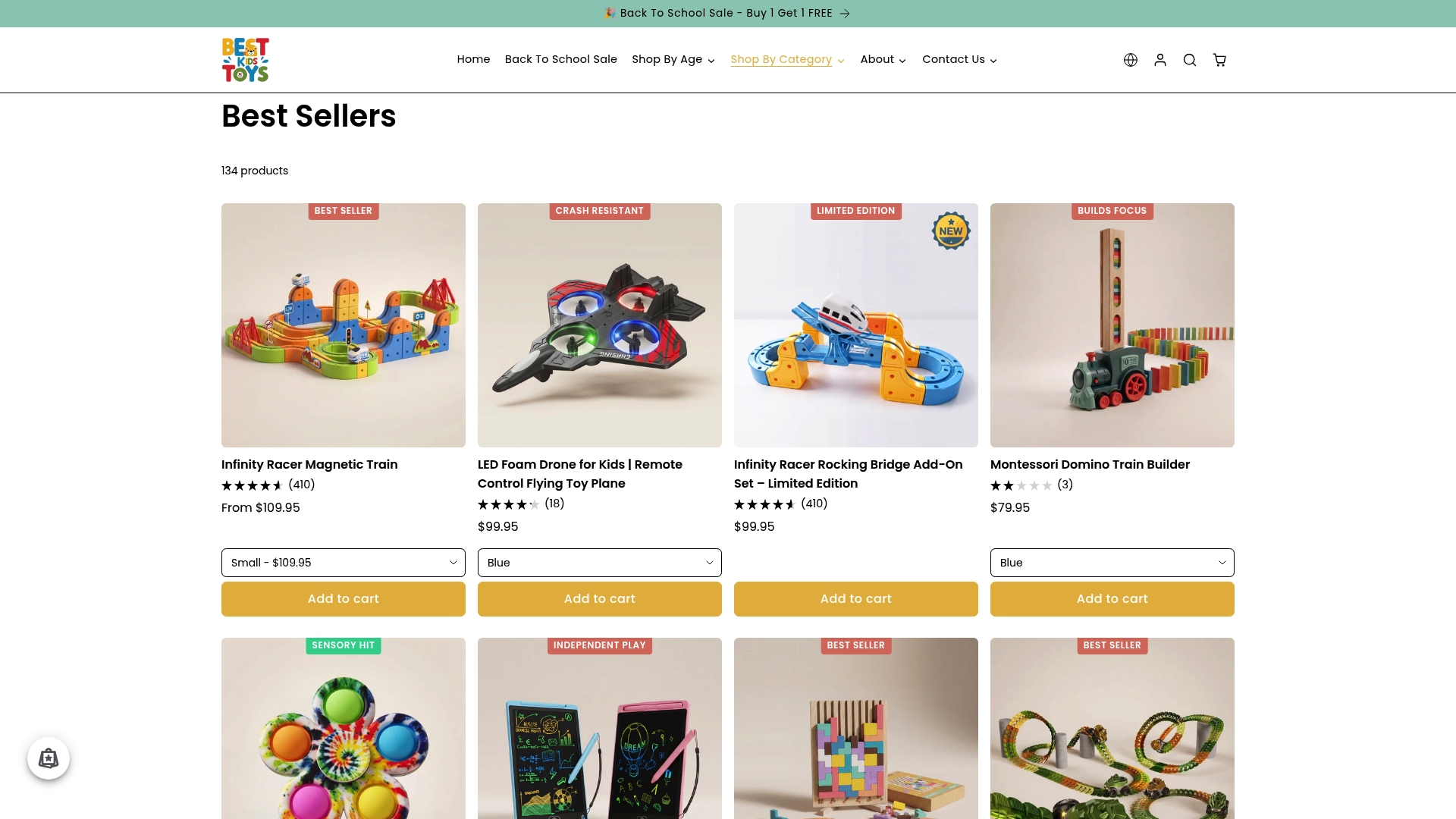
| Category | Example from the article | Where to browse |
|---|---|---|
| Tactile and proprioceptive | Weighted lap pad, textured fidget | Sensory Toys collection |
| Comfort and open-ended play | Soft plush, building sets | Open-Ended Toys collection |
| Focus and fine motor | Puzzle and brain games | Puzzle & Brain Games collection |
Every item is reviewed for safety and long-term play value. Browse the Sensory Toys collection to find calming tools that fit your child’s age and setting.
Sources
- Influences of privacy on emotional regulation in elementary classroom calming
- Incorporating a calming corner into station rotations
- How to help children calm down
- Creating a calming corner: A simple way to help kids feel better
FAQ
What are some ideas for a calming sensory corner?
A calming sensory corner typically includes a soft seat, a textured tool like kinetic sand or a fidget, a weighted lap pad for pressure input, and a visual breathing card. Keeping the choices to two or three tools works better than a large collection.
How do you create a calming corner?
Start with a comfortable seat, one visible routine poster, and two calming tools, then teach the routine during a calm moment rather than during a meltdown. Practice the steps together first so the child recognizes the space as a voluntary break, not a consequence.
What should you put in a quiet corner?
A quiet corner works best with a soft place to sit, a breathing or feelings visual, and one or two tactile tools such as a fidget or a textured ball. A sand timer helps keep the visit brief and predictable.
What does a classroom calming corner example look like?
A classroom version often uses a low curtain or bookshelf divider for adjustable privacy, a durable cushion, a visual timer, and a laminated step poster showing notice, breathe, choose, and return. Teachers commonly rotate it into station work so it feels like a normal part of the day rather than a response to misbehavior, an approach Edutopia recommends for classroom use.