



Push Pull Toys for Toddlers: Montessori Picks & Buying Guide
Choose a low-handle, four-wheel Montessori push walker from Thebestkidstoys for most first-time walkers, roughly ages 12 to 18 months. It steadies wobbly steps, builds real leg strength, and keeps little hands busy without a screen in sight. Once your toddler graduates to confident walking, wooden pull-along animals add a second, equally valuable layer of movement-driven play.
Key Takeaways
The best push pull toy for a first-time walker is a stable, low-handle wooden walker sized to the child’s current wrist height, not their eventual growth.
| Point | Details |
|---|---|
| Start around 12 to 18 months | Introduce a low, four-wheel push walker as soon as your toddler starts cruising along furniture. |
| Prioritize stability and wheels | Choose a wide four-wheel base with rubber-rimmed wheels for quiet, floor-safe rolling. |
| Match handle height to wrist | A handle that’s too tall forces a hunch that hurts balance instead of helping it. |
| Skip sit-in walkers | Pediatric guidance favors push walkers and pull toys over sit-in walkers for real mobility practice. |
| Shop Thebestkidstoys collection | Thebestkidstoys offers Montessori-style wooden walkers, pull-along animals, and convertible wagons backed by clear return terms. |
Table of Contents
- Top Push Pull Toys Picks From Thebestkidstoys
- How Do You Choose the Right Push or Pull Toy?
- What Developmental Benefits Do Push and Pull Toys Offer?
- When Is It Safe to Introduce a Push or Pull Toy?
- Wood or Plastic: Which Material Holds Up Better?
- Where Can You Buy Push and Pull Toys, and What Do They Cost?
- Why Thebestkidstoys Backs Montessori-Style Designs
- How Long Do Push and Pull Toys Actually Last?
- What Should You Know About Returns Before You Buy?
- A Publisher’s Note on Why These Picks Matter
- Shop the Montessori Push and Pull Collection
- Sources
Top Push Pull Toys Picks From Thebestkidstoys
You don’t need to compare fifty listings to find a toy worth buying. Start with these three, all built around the same Montessori-inspired idea: movement should feel like an adventure, not a drill.
- Montessori wooden push walker — a wide, four-wheel base with a low handle gives brand-new walkers something sturdy to lean into. Best for first-time walkers around 12 to 15 months who still need real support.
- Wooden pull-along animal — a friendly little companion (think wagging tail or bouncing head) that turns “just walking” into a mission to follow. Best for confident walkers who want a reason to keep moving.
- Convertible push and pull wagon — locks into walker mode for balance practice, then unlocks into a pull wagon for hauling blocks and stuffed animals. Best for toddlers who’ve outgrown pure walkers but aren’t ready for a full ride-on toy.
Browse the full lineup in the Montessori-inspired toy collection to compare sizes and finishes side by side.
How Do You Choose the Right Push or Pull Toy?
Not every toy labeled “for walking” actually helps a toddler walk. Here’s what actually matters:
- Stability first. Look for a genuine four-wheel base with a wide stance. A narrow or three-wheel frame tips too easily under a toddler’s full body weight.
- Handle height. The handle should sit roughly at your child’s wrist height while they’re standing, not their waist or chest.
- Wheel type. Rubber-rimmed or silicone-trimmed wheels roll smoothly and quietly, while bare wood wheels tend to skid on hardwood and mark floors.
- Materials and finish. Solid wood with a non-toxic, water-based finish holds up to chewing, drooling, and years of daily handling.
- Multi-function value. Some walkers double as activity panels or storage wagons, stretching the toy’s usefulness well past the walking stage.
Pro Tip: Measure the handle against your child’s wrist while they’re standing flat-footed. A handle that’s even two inches too tall forces a hunch that throws off balance instead of helping it.
Watch for red flags too: wobbly or narrow frames, small detachable parts, wheels that squeal or leave marks, and vague marketing language like “for walking” that’s really code for “made for toddlers who already walk well.”
What Developmental Benefits Do Push and Pull Toys Offer?
Push and pull toys are movement-encouragers first and toys second. A toddler chasing a wobbling wooden puppy across the living room is doing serious developmental work disguised as play.
- Builds balance and core stability with every step taken while gripping a handle.
- Strengthens leg muscles through repeated pushing, stopping, and steering.
- Sharpens hand-eye coordination as toddlers steer around furniture and turn corners.
- Builds confidence in independent mobility, one wobbly lap at a time.
- Adds imaginative play when the toy includes cause-and-effect features like a moving tail, a xylophone chime, or a bobbing head.
These toys aren’t just entertainment. They’re typically aimed at children starting around 12 to 18 months, the exact window when balance and walking confidence are developing fastest.
When Is It Safe to Introduce a Push or Pull Toy?
Age matters more with these toys than with almost any other toddler product. A toy sized for an 18 month old can genuinely destabilize a 12 month old who’s just pulling up to stand.
- Around 12 to 18 months: introduce a low, wide-based push walker for early cruising and first steps.
- From 18 to 36 months: move up to pull-along animals, activity walkers, and larger wagons once walking is steady.
- Always supervise early sessions, especially near stairs, hard floor edges, or rugs that can bunch under wheels.
- Check for safety markings such as ASTM F963 compliance, which covers wheel security, weight limits, and choking-hazard testing for small parts.
- Skip sit-in walkers entirely. They don’t build the same walking skills and pediatric guidance generally steers families away from them for mobility training.
Push and pull toys are widely recommended in therapy and early-mobility activity guides specifically because they encourage the same balance and coordination work a physical therapist would prescribe, just disguised as play.
Wood or Plastic: Which Material Holds Up Better?
Wood generally wins on durability and finish safety. A solid maple or beechwood walker resists dents, doesn’t crack under a toddler’s full body slam, and typically carries a non-toxic, water-based finish that’s safe for the inevitable teething phase. Plastic can be lighter and cheaper, but it scuffs, scratches, and shows wear faster under daily toddler use.
Wheels matter just as much as the frame. Bare wooden wheels tend to be loud and can mark hardwood floors, while rubber-rimmed or silicone-trimmed wheels roll quietly and glide better across both carpet and hardwood.
- Wipe wood finishes with a barely damp cloth, never a soaking one.
- Check wheel axles monthly and tighten any loose screws.
- Keep toys off wet floors to protect the wood’s finish long-term.
Where Can You Buy Push and Pull Toys, and What Do They Cost?
Prices scale with materials and function. A basic wooden pull-along animal typically runs on the lower end, a full push walker sits in the mid-range, and a convertible walker-wagon with extras commands the highest price, especially hybrid models with lockable handles and bonus features like bubbles or chalk holders.
- Thebestkidstoys collection is the most reliable starting point, with curated Montessori-style options, clear return policies, and free shipping over $60.
- Boutique toy retailers often carry similar wooden options but at a narrower selection.
- Large marketplaces offer volume and fast shipping but make it harder to verify non-toxic finishes and safety testing before you buy.
Why Thebestkidstoys Backs Montessori-Style Designs
Every pick in this guide reflects the same selection lens Thebestkidstoys applies across its catalog: does this toy build a real skill, and will it hold up to years of toddler use? Montessori-style push and pull toys pass on both counts, encouraging independent movement without screens, batteries, or flashing lights doing the work for the child.
- Developmental focus over novelty, every toy earns its place by supporting a specific skill.
- Non-toxic, child-safe finishes on every wooden piece.
- Durable materials chosen to survive years, not months, of active play.
- Long-term play value that grows with a child, not just a single stage.
You can read more about how this philosophy plays out across the catalog in this guide to encouraging independent play at every age.
How Long Do Push and Pull Toys Actually Last?
A well-built wooden push or pull toy typically survives one to two years of genuinely heavy daily use before wear starts to show, and often much longer if it gets rotated with other toys instead of used every single day. That range accounts for the toddler stage’s particular brand of abuse: standing on the base, chewing the handle, dragging the toy across gravel patios, and the occasional sibling using it as a battering ram.
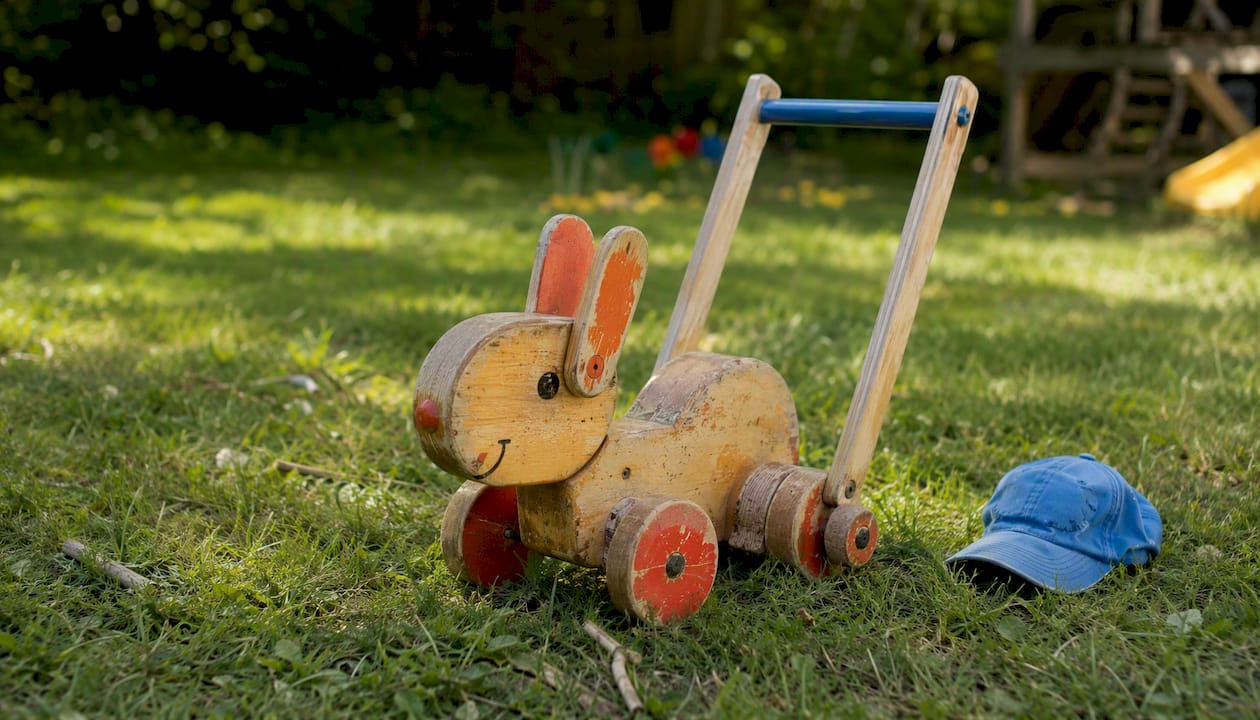
Wood tends to outlast plastic here for a simple reason. Solid wood absorbs dents and scrapes without cracking, while plastic frames can develop stress fractures around joints and wheel axles after repeated falls. The wheels are usually the first component to show fatigue, especially on models with bare wood wheels that grind against hardwood or concrete. Rubber-rimmed wheels hold up noticeably longer under that kind of friction.
Handle joints are the second common wear point. A toddler’s full body weight leaning on a handle, over and over, stresses the connection between handle and frame more than almost any other part of the toy. Check that connection periodically, and a quick screw tightening every few months can add real life to the toy.
Realistically, most toddlers age out of a push walker within six to nine months simply because they stop needing the support, not because the toy breaks. Pull-along animals tend to stick around longer, since older toddlers and even preschoolers keep dragging them along out of habit and fondness long after the original walking-practice purpose has faded.
What Should You Know About Returns Before You Buy?
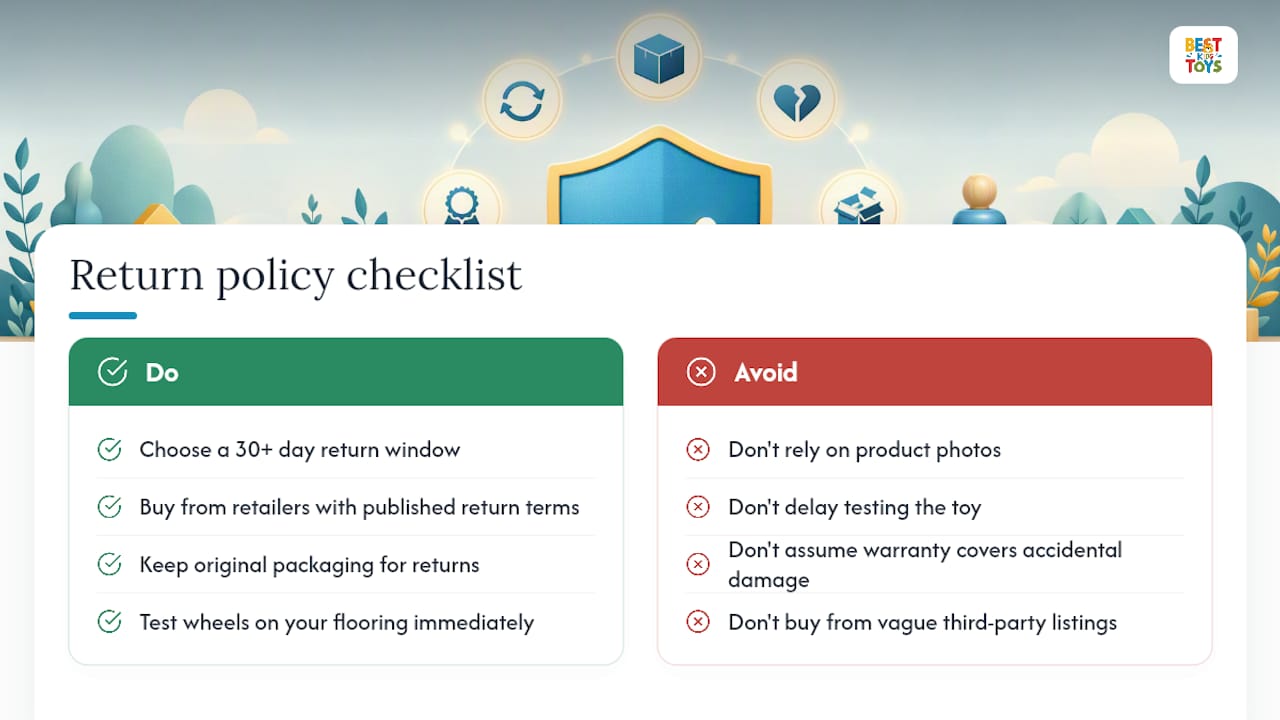
A generous return window matters more with push and pull toys than with almost any other toy category, because fit is genuinely hard to judge from a product photo. A handle that looks proportionate online can turn out too tall or too short once it’s actually in your living room, and you won’t know until your toddler tries it.
Look for a return policy that gives you real time, ideally 30 days or more, to test the toy in actual use rather than just unboxing it and setting it back on a shelf. Thebestkidstoys backs its push and pull toy collection with a straightforward return policy, so you’re not stuck with a walker that’s the wrong height or a wagon your toddler has zero interest in pulling.
A few practical habits protect your return window either way. Keep the original packaging for at least the first few weeks, since some retailers require it for a full refund. Test wheels on your actual flooring right away rather than waiting, since a wheel that squeaks on hardwood or catches on carpet is much easier to flag and return in week one than week five. And read the fine print on warranty coverage for structural issues like handle joints or wheel axles, since accidental toddler damage (think crayon “decorating” or a toy left out in the rain) usually falls outside standard coverage even on a strong warranty.
Buying from a retailer with clear, published return terms, rather than a third-party marketplace listing with vague seller policies, saves you a real headache if the first toy you pick isn’t the right match.
A Publisher’s Note on Why These Picks Matter
I keep coming back to the same idea when I look at our push and pull collection: independence is the whole point. A toddler who pushes a wooden walker across the room without a parent’s hand under their arm is building confidence that carries into every other part of their development. If you’re weighing options for your own early walker, browse our Montessori toy guide or reach out to our team for a personalized recommendation.
Shop the Montessori Push and Pull Collection
Thebestkidstoys built its push and pull lineup around one question: will this toy still be earning its keep six months from now? That’s why every walker, pull-along animal, and convertible wagon in the collection uses solid wood construction, non-toxic finishes, and a wide four-wheel base instead of the flimsier plastic frames common at big-box retailers.
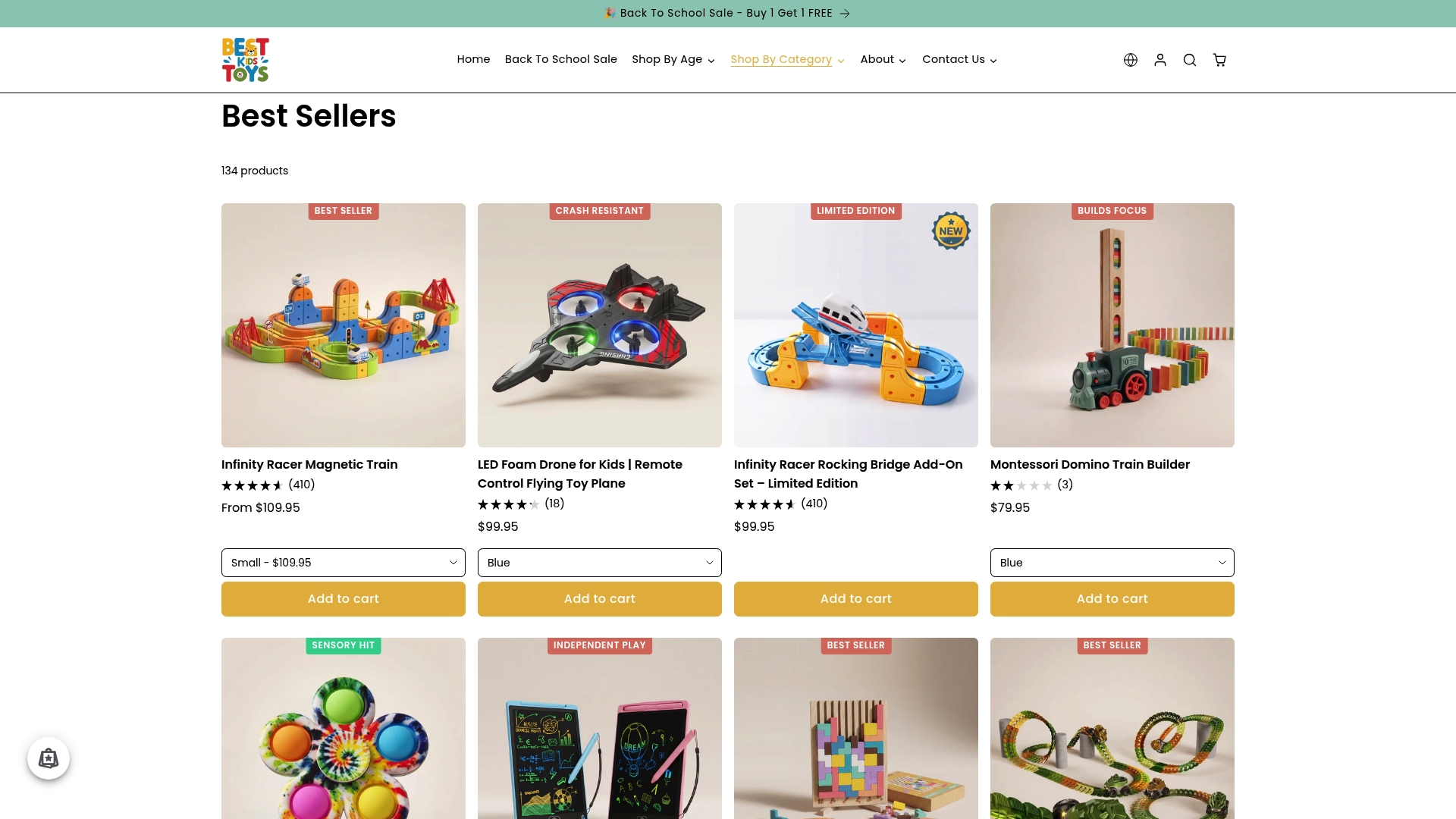
If you’re also outfitting a broader sensory play corner, the sensory toy collection pairs naturally with a push walker for toddlers who want more to touch, hear, and explore. Every purchase comes backed by a clear return policy, so if a handle height or wheel type doesn’t work out, you’re not stuck. Head to the collection page, filter by age range, and check out with confidence that the toy in your cart is built to actually last through the walking stage.
Sources
- The power of push-pull toys | BabySparks
- Pathways
- Push & Pull Walker Wagon with Bubbles and Chalk | Radio Flyer