



Toy Minimalism for Parents: Simpler Play, Less Clutter
Toy minimalism means keeping fewer, open-ended toys in rotation instead of overflowing bins of single-purpose gadgets. Start today with three moves: limit what’s visible to a manageable shelf’s worth, favor open-ended and durable pieces over battery-powered novelty toys, and set up a simple rotation so nothing gets stale.
Before you touch a single bin, do this:
- Watch what your child actually reaches for over a few days.
- Sort everything into keep, rotate, and let go.
- Set aside labeled storage for whatever you’re rotating out of sight.
Key Takeaways
Toy minimalism works because fewer, open-ended toys paired with a simple rotation schedule produce deeper play, easier cleanup, and less household stress than a full toy bin ever does.
| Point | Details |
|---|---|
| Run the 5-question checklist | Decide keep, rotate, or remove based on use, open-endedness, safety, fit, and value. |
| Set a visible-toy limit | Use a 20-toy target or a shelf/bin-size cap, then rotate weekly or biweekly. |
| Buy open-ended and durable | Choose battery-free, age-appropriate toys over single-purpose novelty items. |
| Handle removed toys responsibly | Donate usable items, recycle broken plastic, and keep one memory box for sentimental pieces. |
| Build a small starter set | Thebestkidstoys curates Montessori-inspired, open-ended toys that let a minimal collection cover more developmental ground. |
Table of Contents
- Why Fewer Toys Improve Play, Focus, and Family Life
- The 5-Question Checklist to Decide Keep, Rotate, or Remove
- Simple Household Rules for Choosing New Toys So Clutter Doesn’t Return
- A Step-by-Step Declutter Plan You Can Finish in an Afternoon or a Few Weekends
- How Toy Rotation and the 20-Toy Rule Keep Things Sustainable
- What to Do With the Toys You Remove
- Minimalist Starter Toy Types and Examples by Age
- How Our Curation Supports Toy Minimalism
- What One Household Learned From Trying Toy Minimalism
- Where to Find a Minimalist Toy Starter Collection
- Sources
Why Fewer Toys Improve Play, Focus, and Family Life
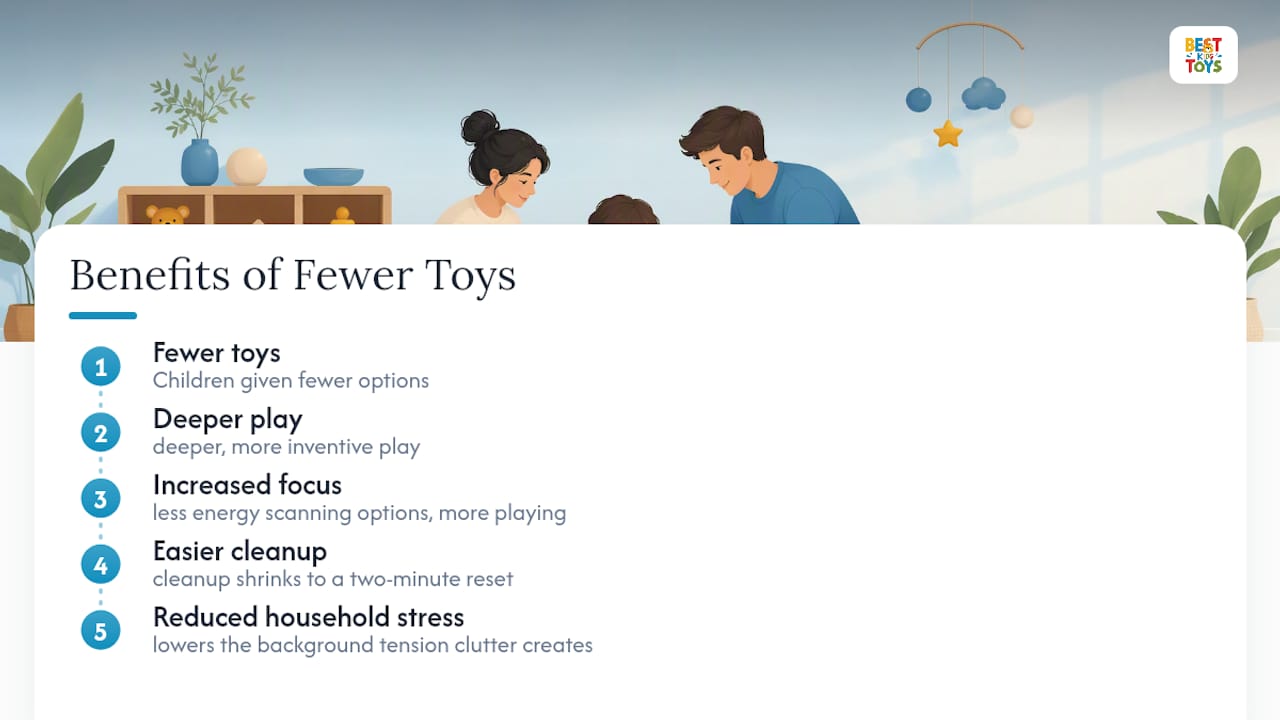
Cut the toy count and play changes almost immediately. Children given fewer options tend to stick with one thing longer, invent more uses for it, and wander less between half-finished activities.
A gentle, observational approach to decluttering often shows that a brief phase of boredom gives way to deeper, more inventive play once the excess is gone, according to one parent-focused guide on choosing toys with intention. Fewer toys also means fewer decisions. Your child spends less energy scanning many options and more energy actually playing with one. Cleanup shrinks from a nightly chore into a two-minute reset, and that alone lowers the background tension that clutter creates in shared living spaces. Parents who thin out the toy box often report longer, calmer play stretches and easier pickup times, which frees you up for more enjoyable parts of the day.
The 5-Question Checklist to Decide Keep, Rotate, or Remove
Run every toy through these five questions, in order, and the decision usually makes itself by question three.
- Does my child actually use it? If it’s been untouched for a month, it’s a candidate for rotation or removal.
- Is it open-ended? A toy that can become ten different things (blocks, scarves, a wooden ramp) earns a permanent spot. A single-function toy gets weighed more critically.
- Is it safe and complete? Missing pieces, cracked plastic, or recalled parts mean repair it or let it go, no exceptions.
- Does it fit where we keep toys? If it doesn’t belong in the designated play area, it’s clutter somewhere else in the house.
- Does it earn its shelf space? Compare the joy it brings against the room it takes up.
The common outcomes break down simply: toys that pass all five stay out. Toys that are fine but underused go into rotation. Toys that fail on safety, completeness, or genuine interest get donated, sold, or recycled.
Simple Household Rules for Choosing New Toys So Clutter Doesn’t Return
The core rule is short: favor open-ended, durable, battery-free, age-appropriate toys, and skip everything else unless there’s a strong reason.
- Open-ended over single-purpose. A set of wooden blocks outlasts a talking robot in both durability and imagination value.
- Durable over disposable. Solid wood and heavy fabric survive years of use; thin plastic usually doesn’t survive one.
- Battery-free when possible. One household rule worth borrowing directly: keep toys in their play area and choose battery-free options to cut down on sensory noise and clutter alike.
- Age-appropriate, not aspirational. Buy for the child’s current stage, not the stage you hope they’ll skip ahead to.
Pro Tip: Send relatives a short gift list before birthdays and holidays, and pair every new toy with a “one in, one out” rule so the collection stays the same size no matter how generous grandma gets.
A Step-by-Step Declutter Plan You Can Finish in an Afternoon or a Few Weekends
Pick your pace. A single free afternoon works if you’re decisive; spreading it over two or three weekends works better if your child is attached to specific items and needs time to adjust.
- Observe for a few days first. Note which toys get pulled out repeatedly and which sit untouched.
- Sort everything into keep, rotate, and donate/sell piles using the five-question checklist above.
- Handle quick fixes now. Repair what’s salvageable, toss what’s broken beyond use.
- Label rotation storage clearly so swapping toys later takes minutes, not an afternoon.
- Loop in your child for anything past toddler age. Let them pick one or two “hard to let go of” items for a memory box instead of forcing a clean break.
Sentimental attachment is normal. Don’t fight it. A memory box solves most of it without derailing the whole project.
How Toy Rotation and the 20-Toy Rule Keep Things Sustainable
Set a visible-toy limit first, then build your rotation schedule around it. A small, manageable number of toys out at once, such as a shelf-size or bin-count limit, works well to keep play interesting and organized.
- Pick your cap. Twenty toys, four bins, or one low shelf: choose whatever matches your actual storage.
- Rotate weekly or biweekly. Swapping toys out of sight and back in later makes familiar items feel new again and shows you which ones genuinely hold your child’s attention, an effect toy rotation research on renewed engagement backs up directly.
- Store rotation stock out of sight, in labeled boxes by category, in a closet or garage rather than a visible bin.
Pro Tip: Use low, open shelves for the toys currently in play so your child can grab and return items independently. That small bit of access builds real responsibility, not just tidiness. A practical storage guide for Montessori-style collections and a dedicated home-organization system can both help if your current shelving isn’t cutting it.
What to Do With the Toys You Remove
Donate anything usable, recycle broken plastic where your local program accepts it, and set aside one memory box for items with real sentimental weight.
- Donate: local shelters, daycare centers, and secondhand shops usually take clean, complete toys.
- Sell: community marketplace apps work well for higher-value wooden or branded sets.
- Recycle: check your municipal program for plastic toy recycling; many curbside programs don’t accept toys directly.
Safety note: Remove batteries, especially small button batteries, before donating or discarding any toy, and dispose of them at a battery drop-off point rather than the trash.
Minimalist Starter Toy Types and Examples by Age
A minimal collection should cover a few core categories, not dozens of individual toys: something to build with, something to imagine with, art materials, books, and something for movement.
- 0 to 18 months: simple rattles, soft blocks, board books, a low push toy.
- 1 to 3 years: wooden blocks, stacking toys, simple puzzles, a small basket of art supplies.
- 3 to 5 years: open-ended figures, modular building sets like The Little Toy’s simple geometric panels, dress-up basics, a small puzzle rotation.
- 5 and up: construction sets, board games with manageable piece counts, art supplies, movement gear like balance boards.
Favor durable wood and washable textiles over noisy electronics. A well-made piece like MoMA’s De Stijl tumbling tower shows how a single durable wooden toy can outlast a shelf of plastic alternatives, and browsing wooden toy categories makes it easy to spot similar pieces built to last.
How Our Curation Supports Toy Minimalism
Thebestkidstoys curates Montessori-inspired, open-ended toys specifically so a small collection can cover more developmental ground without adding clutter.
- Every toy in the catalog is chosen for long-term play value, not novelty.
- Selections lean toward durable, purposeful designs that mirror Montessori principles of independent, screen-free play.
- The goal is a shelf you don’t need to constantly refill, because each piece pulls double or triple duty in a child’s imagination.
Danica Hodge, whose perspective closes out this guide, has spent years writing about child development and simplified home routines for family-focused publications.
What One Household Learned From Trying Toy Minimalism
Clearing out most of the toy bin in one weekend led to two boring days, then noticeably longer, more inventive solo play once the shelf was down to a fraction of its old size.
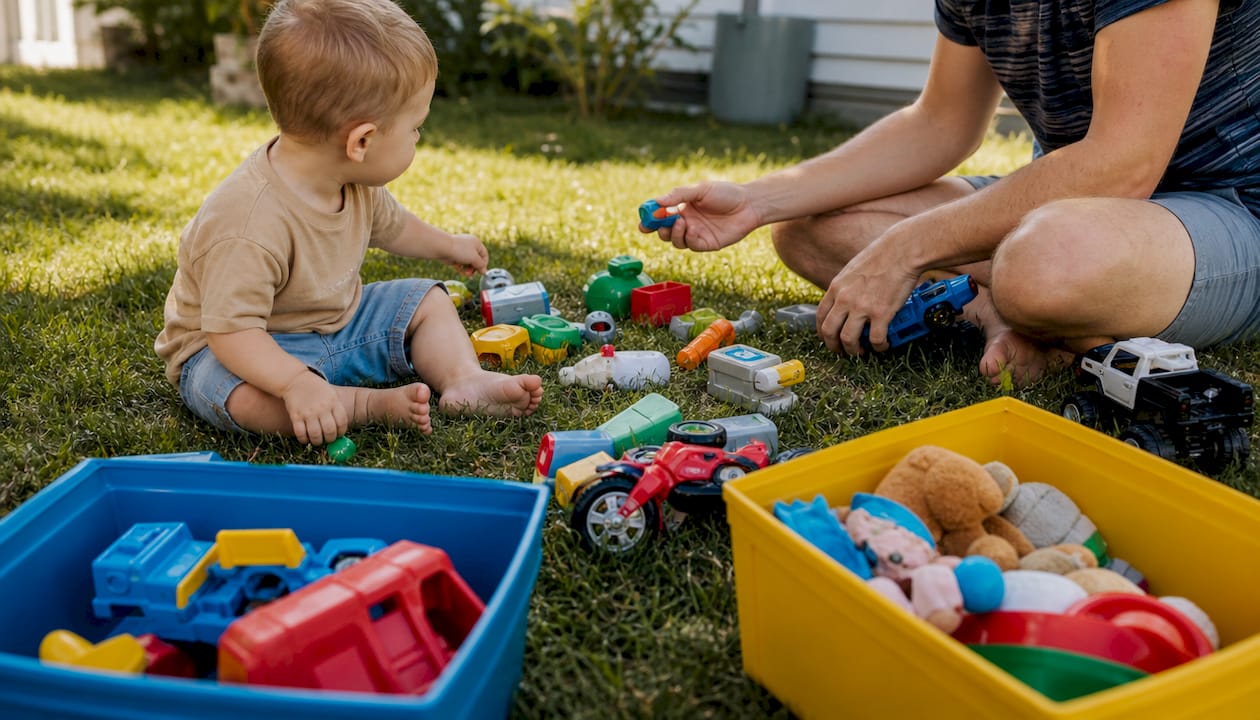
Involve your child in choosing what stays, but reserve final say for safety and clutter limits. Keep a small memory box for anything too sentimental to donate, and don’t expect a perfect system on the first try. Iteration beats perfection every time.
Where to Find a Minimalist Toy Starter Collection
If a small, lasting collection is the goal, Thebestkidstoys is built around exactly that: fewer pieces, each one doing more work for your child’s development. Rather than a shelf packed with single-use gadgets, the catalog focuses on Montessori-inspired toys that flex across ages and play styles, which means less buying, less clutter, and less second-guessing at checkout.
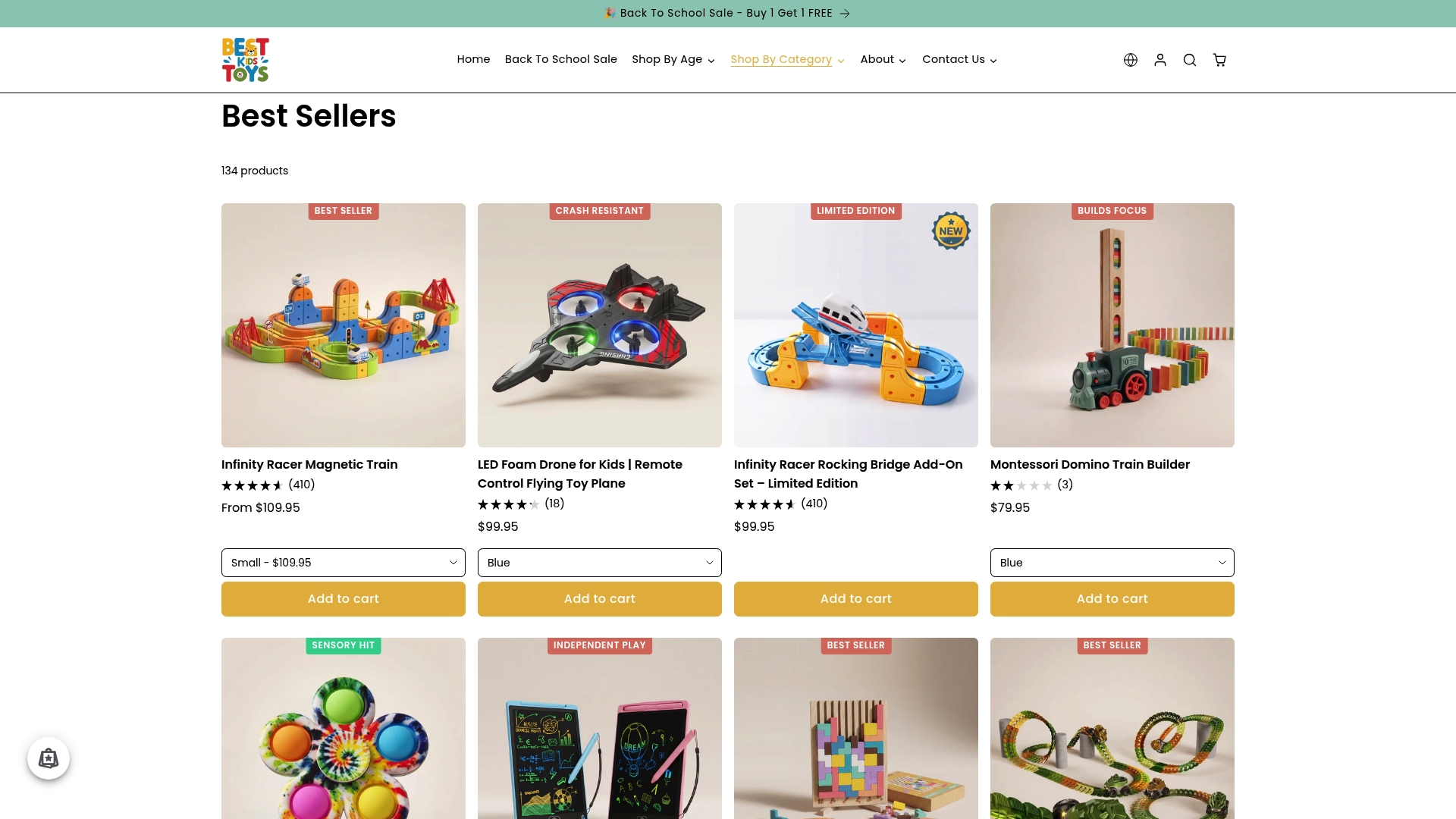
For a starter piece that fits neatly into a minimalist rotation, the Little Learners Montessori busy book packs several skill-building activities into one compact item instead of five separate toys. If you’re shopping by age instead, the 3 to 4 years collection and 4 to 5 years collection are both curated tightly enough that you won’t need to sift through filler to find something worth keeping on the shelf. Browse either collection now and build your starter set with pieces meant to stay in rotation for years, not weeks.
Sources
- Toy Minimalism: Fewer Toys, Happier Toddlers
- Toy Minimalism: How to Choose the Right Toys - Restored to Land
- The Little Toy - Eames Office