



Safe, Evidence Based Tactile Activities for Parents, Teachers & Therapists
Tactile sensory activities are short, touch-based play experiences that give kids a safe way to explore textures, pressure, and materials with their hands and skin. They build regulation, fine motor skills, and focus at the same time. This guide gives you categorized activity ideas, honest safety warnings (water beads included), and tips for tailoring play to a child who seeks, avoids, or barely notices touch.
TL;DR:
- Water beads pose a high risk of internal injury and should be strictly avoided with children under school age, especially at home or in unsupervised settings.
- Sensory activities should be tailored to each child’s sensory profile, with seeking, avoiding, or under-responsive behaviors requiring specific approaches and supervision.
- Quick, repeated tactile breaks during the day can be more effective than infrequent, long sessions for managing sensory needs and daily routines.
- Low-cost household materials like rice, pasta, and fabric scraps can create diverse tactile experiences without the need for expensive or specialized toys.
- Deep-pressure interventions and caregiver training have the strongest evidence for improving sensory regulation and should be incorporated into individualized plans with professional support.
Table of Contents
- What Are Tactile Sensory Activities, and Which Ones Actually Work?
- Are Water Beads and Small Sensory Materials Safe for Kids?
- How Do You Match Tactile Activities to a Child’s Sensory Profile?
- How Do You Set Up Tactile Play Without Spending a Fortune?
- How Do Tactile Activities Change From Baby to School Age?
- Why Short Tactile Breaks Belong in Every Daily Routine
- Ready-Made Sensory Materials Worth Keeping on Hand
- Sources
- FAQ
What Are Tactile Sensory Activities, and Which Ones Actually Work?
Tactile sensory activities are any play experience built around touch: squishing, pouring, kneading, rubbing, or pressing materials against skin. They tap the tactile system, one of the body’s earliest and busiest sensory pathways, and they pair naturally with proprioceptive input (the “muscle sense” that tells kids where their body is in space). Here are activities organized by format so you can grab what fits your space, budget, and time.
No-equipment heavy work. These need zero shopping and work in a hallway or classroom rug.
- Wall push-ups: press palms flat against a wall and push for 10 seconds. Great for kids who seek input before circle time.
- Bear hugs or “burrito” wraps in a blanket, done gently and with the child’s consent, for calming deep pressure.
- Animal walks (bear crawl, crab walk) across a room to load the joints and hands.
- Hand-clapping games with a partner, adjustable from soft pats to firmer claps.
- Carrying “heavy work” jobs like stacking books or pushing a laundry basket.
Sensory bins and trays. A shallow bin, some filler, and a scoop turn into 20 minutes of focused play.
- Dry rice or dried beans bin with cups and funnels for pouring practice.
- Kinetic sand tray with cookie cutters for shape work.
- Shredded paper bin with small toys hidden inside for a search-and-find game.
- Textured fabric scrap basket (velvet, corduroy, faux fur) for matching and sorting.
- Pinecone and rock bin from a backyard walk for a free, rotating nature texture set.
Messy recipe-based play. These build tolerance for wet, sticky, or unpredictable textures.
- Homemade playdough with flour, salt, oil, and water; add ice for a cold sensory twist.
- Oobleck (cornstarch and water) that acts solid under pressure and liquid when still.
- Shaving cream spread on a tray or shower wall for finger drawing.
- Yogurt or pudding finger painting on parchment paper, edible and low-risk for mouthers.
- Soap foam whipped with a hand mixer for a bubbly, low-mess sensory base.
Fine-motor tactile games. These sharpen the pincer grip and hand strength kids need for writing.
- Sticker peeling and placing on a poster board.
- Tweezer transfer games moving pom-poms between bowls.
- Playdough with hidden beads or coins to pinch out.
- Textured lacing cards with rope through punched holes.
Montessori tactile lessons. Classic, low-cost, and built around graded discrimination.
- Touch tablets: paired boards graded from rough to smooth, matched by feel alone, often blindfolded once a child is ready. The Montessori touch tablet lesson builds fingertip sensitivity and sustained attention in a few minutes a day.
- Fabric box matching swatches by texture rather than sight.
- Mystery bag guessing games where a child names an object by touch alone.
Outdoor and textured-walk activities.
- Barefoot texture walk across grass, gravel, and sand for kids who tolerate ground contact.
- Bark and leaf rubbing with paper and crayon.
- Water table play with cups, sponges, and boats.
Household substitutions keep this affordable: dry pasta instead of specialty sensory fillers, an old muffin tin instead of bought sorting trays, a dish tub instead of a $30 bin. Classrooms can scale the same activities into small-group stations, rotating one bin per week so materials stay fresh without buying anything new; see inspirujące przykłady aktywności szkolnych dla Twojego dziecka for ideas to inspire tactile provocations. Multi-sensory setups that combine touch with movement or sound tend to hold attention longer than a single texture on its own, according to play research from The Genius of Play.
Are Water Beads and Small Sensory Materials Safe for Kids?
Water beads are the single biggest safety hazard in tactile play, and they deserve a hard rule: keep them out of homes and classrooms with children under school age. These tiny polymer balls swell dramatically after soaking, and when swallowed or pushed into an ear or nose, they can expand inside the body. Healthychildren documents cases of bowel obstruction, ear damage, and even death tied to swallowed or inserted beads.
Water beads have triggered numerous product recalls tracked by the U.S. Consumer Product Safety Commission, which maintains a dedicated water beads information center after repeated reports of serious injury. If older kids use them at all, it should be under direct, constant supervision, with beads stored in a locked container afterward, never left loose in a bin overnight.
Choking risk extends beyond water beads. HealthyChildren.org’s choking prevention guidance flags small, round, or squishable objects as the biggest danger for children under three, since anything that fits through a toilet paper tube can lodge in a young airway.
Build these habits into every tactile session:
- Match materials to developmental stage, not just age in years; a four-year-old who still mouths objects needs baby-safe textures.
- Swap water beads for rice, dry pasta, or child-labeled tactile balls that don’t expand or dissolve.
- Supervise sensory bins actively, not from across the room, especially with siblings under three nearby.
- Store all small-part materials in sealed containers out of reach between sessions.
- Check tags and packaging for choking-hazard warnings before buying secondhand sensory toys.
How Do You Match Tactile Activities to a Child’s Sensory Profile?
Not every child experiences touch the same way, and matching the activity to the child matters more than the activity itself. Some kids chase intense input, some flinch from a light touch, and some barely register texture at all. Here’s how to tell them apart and adjust accordingly.
- Tactile seeking: the child touches everything, craves messy play, and seems calmer after rough textures or firm pressure.
- Tactile avoiding: the child resists new textures, pulls away from light touch, and may refuse certain clothing or food textures.
- Under-responsive: the child seems to not notice touch, mouths objects excessively, or doesn’t react to minor bumps or spills.
For a seeking child, lean into heavier, more textured play: kinetic sand, weighted blankets at night, and joint compressions during transitions. For an avoiding child, start with graded touch, introducing new textures at the edges of the hand before the palm, and always offer choices rather than forcing contact. For an under-responsive child, add contrast and intensity gradually, brushing, vibration, or firmer massage strokes, paired with verbal cues so the input registers.
The strongest evidence in this space points to two tools: deep-pressure tactile input and caregiver training. A systematic review of sensory-based interventions found strong evidence for both, with moderate evidence that combining touch with movement or sound outperforms single-sense approaches alone. Separately, a large meta-analysis of touch interventions found effects large enough to matter clinically: touch regulates cortisol and eases depression and anxiety symptoms, with parent-delivered touch showing the strongest newborn benefits.
Pro Tip: Massage with joint compressions, the “burrito” wrap, and a weighted blanket at bedtime carry some of the best evidence among single-sense strategies, but they work best as part of an individualized plan built with an occupational therapist, not as a blanket fix for every child.

AOTA’s guidance on sensory-based programming backs this up directly: individualized planning paired with caregiver training outperforms generic sensory activities handed out without context.
How Do You Set Up Tactile Play Without Spending a Fortune?
Setup takes ten minutes if you build a routine around it, and most of what you need is already in your kitchen or garage.
- Cover the surface first, an old shower curtain, a plastic tablecloth, or a large tray, so cleanup takes seconds instead of twenty minutes.
- Pull materials from a labeled bin so you’re not hunting for scoops and cups mid-activity.
- Set out a “wet zone” (recipes, water play) separately from a “dry zone” (rice, sand, fabric) if you’re running multiple stations.
- Keep a damp cloth and a small trash bowl within arm’s reach for quick wipe-downs.
- Sanitize reusable bins with warm soapy water after each use, and let dry fillers fully air out before storing.
- Rotate materials weekly rather than buying new; a rice bin that sat unused for a month feels novel again.
Low-cost staples worth keeping on hand: dry rice, dried beans, flour, kosher salt, cornstarch, fabric scraps, muffin tins, plastic cups, and a set of kitchen tongs or tweezers. None of these cost more than a grocery run, and all of them last for months if stored dry and sealed.
Classrooms scale this differently than homes. A single teacher running four sensory stations needs bins that stack for storage and a simple rotation chart so materials don’t sit unused in a closet. If you want a ready-made structure instead of building one from scratch, a step-by-step sensory path setup walks through turning a hallway or classroom corner into multiple tactile and movement stations in under an hour.

How Do Tactile Activities Change From Baby to School Age?
The same core activity can work across ages if you adjust the materials and supervision level, not the concept.
- Babies: stick to large, non-edible textures they can’t fully mouth away, textured balls, soft brushes on skin, and supervised skin-to-skin contact like infant massage.
- Toddlers: move into messy play with constant supervision, dry pasta bins, finger painting with pudding, and simple heavy work like pushing a toy cart.
- Preschoolers: add fine-motor demands, tweezer transfers, lacing cards, and Montessori touch tablets that build sustained attention.
- School-age kids: extend play into longer projects, oobleck experiments, textured art, and joint compression routines they can do semi-independently before homework or after recess.
The goal at every stage is the same: match the texture and complexity to what the child can safely handle without constant hand-holding, then let independence grow from there.
Why Short Tactile Breaks Belong in Every Daily Routine
I think the biggest mistake caregivers make with tactile sensory activities is treating them as a special event instead of a five-minute tool. A quick hand massage before a transition, a textured fidget during a car ride, or wall push-ups before a test all do more good spread across a day than one elaborate sensory bin done once a week.
If a child’s touch reactions are disrupting daily life, refusing clothing, melting down over food textures, or seeking so much input that it becomes unsafe, that’s the signal to bring in an occupational therapist, who can build an individualized sensory diet rather than guesswork at home.
— Danica Hodge
Ready-Made Sensory Materials Worth Keeping on Hand
Homemade oobleck and rice bins get you far, but some days you just need something durable, pre-tested, and ready to hand over without an hour of prep. That’s where a curated sensory toy collection earns its place on your shelf.
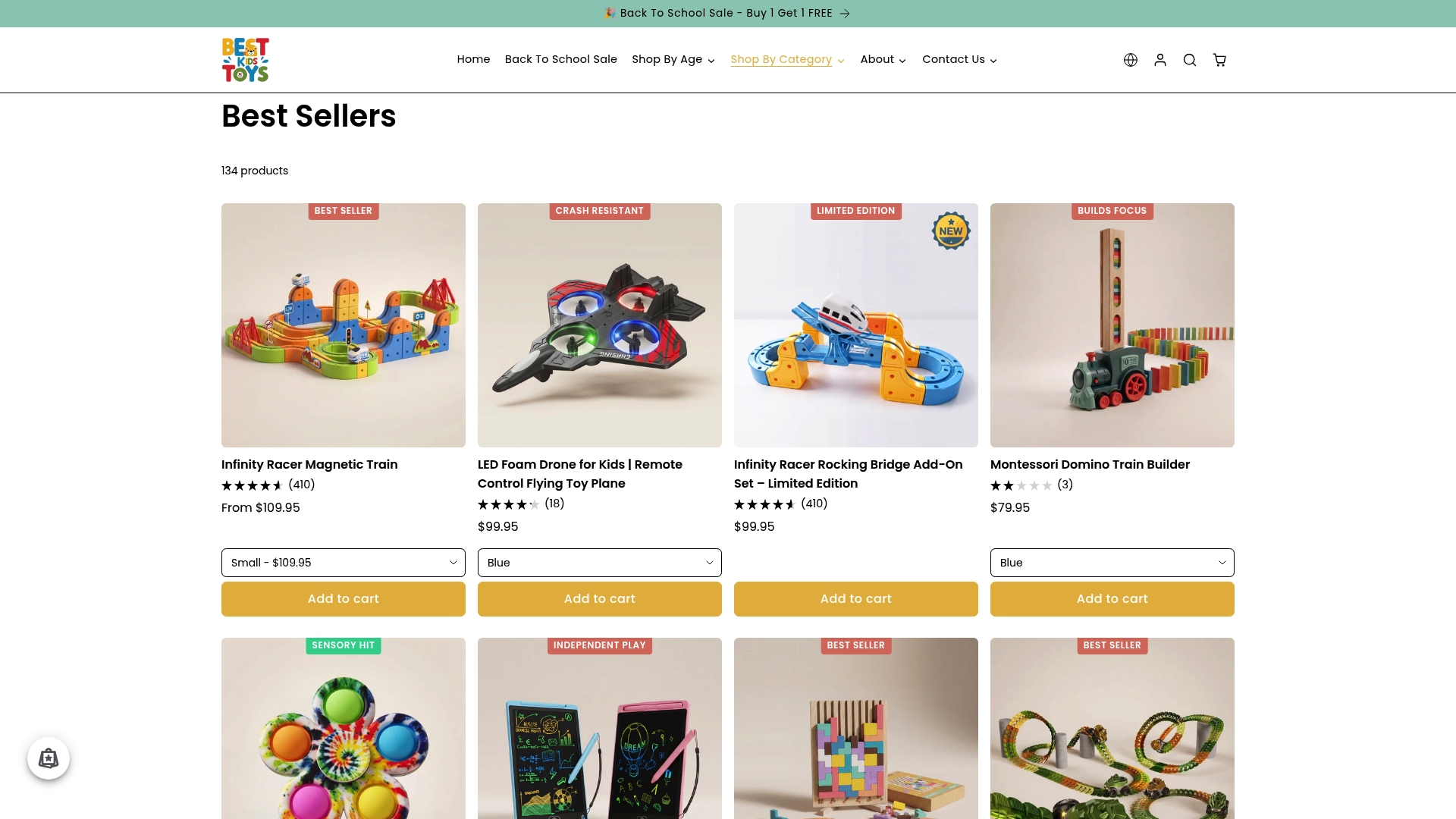
The sensory and Montessori-inspired lineup includes graded, hands-on exploration products, texture matching sets, open-ended tactile materials, and fine-motor tools designed to support developmental milestones. Products are selected with attention to safety and long-term play value. Some purchases may have return policies, supporting confident shopping. Browse the sensory toys collection and add a few graded texture pieces to your rotation this week, no soaking, expanding, or recall risk required.
Sources
- Systematic review of sensory-based interventions for children and youth (2015–2024)
- Healthychildren
- Sensory-based group programming and caregiver education: enhancing participation in early childhood — AOTA
FAQ
What Age Should Tactile Sensory Activities Start?
Tactile play can start in infancy through supervised skin contact and large, non-edible textures, then expand as a child’s grasp and mouthing behavior change. The activity stays the same in concept, texture size and supervision level are what shift by age.
Are Water Beads Ever Safe for Kids?
Water beads carry documented choking and internal-injury risk, including cases of bowel obstruction and ear damage reported by HealthyChildren.org. They should be avoided entirely with young children and used only under constant supervision with older kids, if at all.
How Do I Know if My Child Needs More Tactile Input?
Watch for a mix of seeking behavior (touching everything, craving mess), avoiding behavior (refusing textures or clothing), or under-responsiveness (not noticing bumps or mouthing objects constantly). Any pattern strong enough to disrupt daily routines is worth discussing with an occupational therapist.
What’s the Strongest Evidence-Backed Tactile Strategy?
Deep-pressure input, like joint compressions, firm massage, and weighted blankets at night, carries some of the strongest evidence among sensory-based interventions, according to a systematic review of sensory-based interventions. Caregiver training to deliver these strategies consistently ranks just as highly.
Does Thebestkidstoys Sell Sensory Play Materials?
Yes, Thebestkidstoys carries a curated sensory toys collection built around texture exploration and fine-motor development, reviewed for safety and play value. Current prices and product details are listed directly on the site.