



One Kit a Week Plus DIY: Montessori Summer Activity Kits for Parents
For most busy parents, the sweet spot is one ready-made kit each week paired with a DIY station at home. That hybrid gives you the convenience of a curated box on your busiest days and the open-ended, Montessori-friendly play value of homemade activities the rest of the time, all without a screen in sight. If your schedule is tight, lean bought. If your budget is tighter, lean DIY. Either way, the how-tos and age guidance below will get you set up fast.
TL;DR:
- Multi-project summer bundles save time by pre-sequencing activities but cost more per activity than DIY options.
- DIY kits are budget-friendly, customizable, and reusable but require effort in assembly and supervision.
- Age-appropriate kits for children aged 2 to 4 focus on sensory activities, while older kids benefit from open-ended projects and STEM sets.
- Organizing supplies into labeled stations and repurposing household items streamline prep and storage, making activities easier to access.
- Screen time should be limited and tied to activity completion, with a focus on open-ended materials that support long-term skill development.
Table of Contents
- What Types of Summer Activity Kits Should You Look For?
- Should You Buy a Kit or Make Your Own?
- Which Kit Fits Your Child’s Age?
- How Do You Build a DIY Kit and Sample Week?
- How Should You Store and Organize Summer Supplies?
- What Safety and Screen-Time Rules Matter Most?
- Why We Build Kits Around Independent Play, Not Just Busywork
- Ready to Build Your Own Summer Lineup?
- Sources
- FAQ
What Types of Summer Activity Kits Should You Look For?
Walk through any summer activity boxes lineup and you’ll usually find three formats, and knowing the difference saves you from buying the wrong one.
- Single-project craft kits hand you everything for one activity, like a birdhouse build or a tie-dye set, and work well as a one-off treat.
- Multi-project camp bundles pack a week or more of themed activities into one box, often organized as 3-pack or 6-pack “playcation” sets by age.
- Ready-made themed bundles group activities around a subject, and the most common themes you’ll see are nature exploration, STEM experiments, art and sensory projects, animal science, and outdoor adventure.
Multi-kit bundles tend to save the most time because someone else has already sequenced the activities and gathered the pieces, a pattern you’ll notice across retailers selling themed multi-kit packs organized by age and interest. You pay more per activity for that convenience, but on a week when you’re juggling work calls and a toddler, that trade often makes sense.
Should You Buy a Kit or Make Your Own?
Neither choice is universally better. It depends on what you’re short on: time, money, or variety.
Ready-made kits win on:
- Zero prep time. Open the box and go.
- Quality control. Pieces are pre-measured and age-checked.
- Consistency. You know what you’re getting before it arrives.
DIY kits win on:
- Cost. Scavenger hunts and backyard art projects often spark more engagement than pricey setups anyway, according to reporting on budget-friendly family activities.
- Customization to your child’s specific interests.
- Reusability, since open-ended materials get used again and again instead of once.
The hybrid approach works because it borrows the best of both: buy one themed kit per week for the “wow” factor, then repeat simple DIY activities on the other days using supplies you already have.
Pro Tip: Save every container, lid, and cardboard tube from your recycling bin for a week before summer starts. You’ll have a free stash of building and craft materials before you spend a dollar.
Which Kit Fits Your Child’s Age?
Attention span and independence level should drive your kit choice more than the theme does.
- Ages 2 to 4: Stick to sensory bins, big washable crayons, and simple sorting toys. Expect five to ten minutes of focus and constant supervision.
- Ages 3 to 5: Simple craft kits and nature walks work, with a parent nearby to guide but not do the activity for them.
- Ages 5 to 8: This is where kids can run a DIY summer camp at home with minimal help. STEM kits with a few steps and open-ended building sets both fit well.
- Ages 9 and up: Multi-day project kits, coding kits, or nature journaling let older kids work independently for stretches of thirty minutes or more.
For any age, favor kits with open-ended materials and minimal printed instructions. A set of wooden blocks or Montessori STEM toys that can be rebuilt a dozen different ways beats a single-use craft that’s finished in fifteen minutes.
How Do You Build a DIY Kit and Sample Week?
Assembling your own kit doesn’t require a Pinterest board. It requires a container, a short list, and a rhythm you can repeat.
- Pick a container. A plastic bin or basket with a lid keeps everything together and portable.
- Add reusable tools. Scissors, glue, a hole punch, and basic art supplies belong in every kit, since they work across dozens of activities.
- Stock consumables separately. Paper, stickers, and paint go in a smaller bag you can restock without touching the reusable tools.
- Print a schedule. A free printable weekly planner turns “what do we do today” into a five-second glance.
- Set up stations, not one big pile. Separate zones for art, science, outdoor play, and quiet time cut morning prep dramatically.
A sample week might run: Monday is Nature Day (scavenger hunt plus leaf rubbing), Tuesday is Science Lab (baking soda volcano), Wednesday is Art Day (collage from recycled materials), Thursday is Animal Adventures (backyard bug hunt), and Friday is an outing, like a splash pad trip or nature center visit — perfect topics for guidance on how to talk with children about art at home. Prepare a simpler version and a harder extension of each activity so siblings of different ages can join the same station without you running two camps at once.
How Should You Store and Organize Summer Supplies?
Six labeled bins beat one overflowing craft closet every time. Sort supplies into art, STEM, outdoor, sensory, printables, and a rotating “theme of the week” bin, and let kids grab what they need without asking permission first.
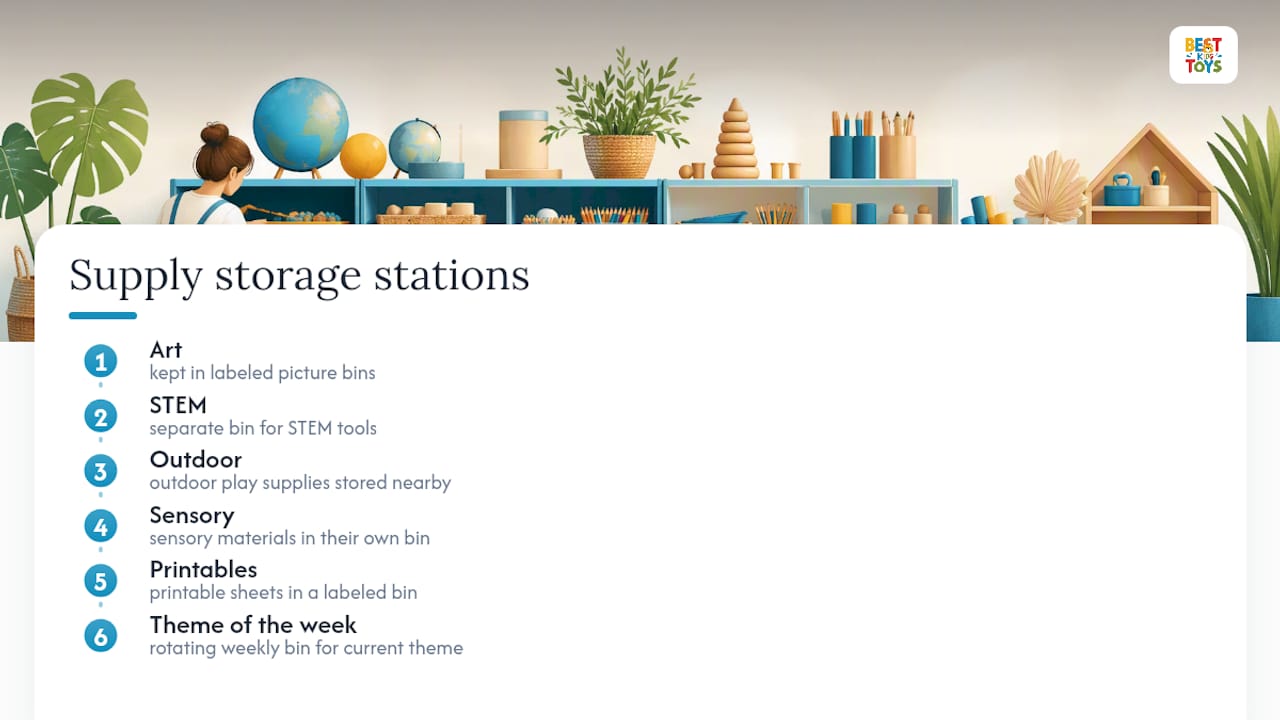
Grouping everything into fixed stations is a tactic experienced parents and educators use specifically to cut daily prep down to minutes rather than an hour of digging through closets, a pattern well documented in advice on running summer camp at home. Budget sourcing gets easier once you treat your recycling bin, dollar store, and existing toy shelf as your first three suppliers before buying anything new.
Pro Tip: Label bins with pictures, not just words, so even a preschooler can put things back in the right spot.
What Safety and Screen-Time Rules Matter Most?
Every kit, bought or homemade, needs a quick safety check before kids dig in.
- Read choking warnings on any kit with small parts, especially for kids under three.
- Supervise water play and check sunscreen and shade breaks during outdoor activities on hot days.
- Check ingredient labels on craft supplies if your child has allergies or sensitive skin.
- Tie screen time to kit completion, like earning twenty minutes after finishing a station activity, rather than offering it as a default fallback.
- Build in a predictable unplugged block each afternoon, since flexible daily rhythms with built-in quiet time tend to hold up better over a full summer than a rigid, fully scheduled day, according to guidance from the Boston Child Study Center.
Why We Build Kits Around Independent Play, Not Just Busywork
A kit that keeps a child quiet for twenty minutes is easy to find. A kit that builds a skill while doing it is a different standard, and it’s the one worth holding your purchases to. Open-ended, reusable materials, think loose parts, wooden building sets, basic tools, consistently earn longer play sessions and more problem-solving than single-use craft kits that end the moment the glue dries.
That’s the filter Thebestkidstoys applies to every curated pick: does this toy still teach something on its fiftieth use, not just its first. Fine motor control, sequencing, and creative confidence build slowly, through repetition, not through a flashier box.
— Danica Hodge
Ready to Build Your Own Summer Lineup?
Thebestkidstoys gives you a shortcut past the guesswork of assembling loose-parts play from scratch, curated, Montessori-inspired pieces built for repeat play instead of a single afternoon. Browse the Montessori STEM Toys collection for hands-on builds that anchor a science-themed week, or check out Outdoor Toys to round out your nature and adventure days.
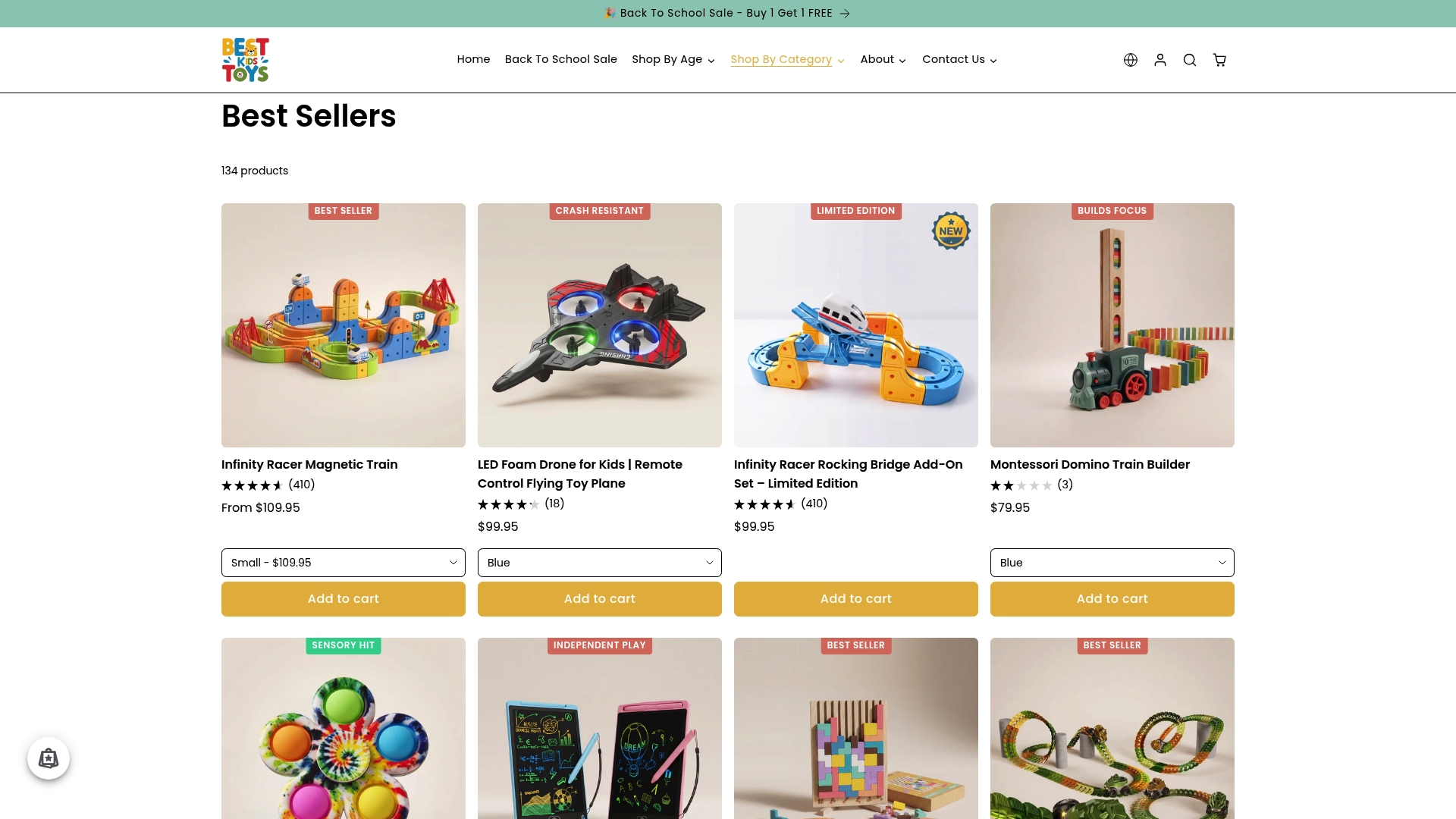
If you’re stocking a DIY station, the Montessori Kids Tool Box Set gives kids 200-plus real building pieces they’ll reach for well past August. Purchases are backed by a 30-day risk-free guarantee, so you can try a piece in your rotation without worry. Start by browsing the collections above and picking one item to anchor next week’s theme.
Sources
Want a schedule you don’t have to build yourself? These resources pair well with any kit you buy or assemble:
- Custom DIY Summer Camp Planner for Kids (With Free Printable Schedules) | Mommy Poppins
- Summer camp at home — Sonlight blog
FAQ
What Is the Hottest Craft Trend Right Now for Adults?
Adult craft trends currently lean toward slow, tactile projects like embroidery, macrame, and clay work, the kind of screen-free, meditative activities that pair naturally with a kid’s craft station on a family project night. If you’re setting up a joint art bin, simple embroidery hoops or air-dry clay work for both age groups at once.
What Is the Coolest Craft Kit for Kids Right Now?
Kits built around open-ended building, like wooden construction sets or STEM tool kits, are outperforming single-use craft boxes because kids can rebuild and reinvent the same pieces for weeks. Montessori STEM Toys are designed with that reuse value in mind rather than a one-time build.
What Are Some Fun DIY Ideas for Summer?
Backyard scavenger hunts, sidewalk chalk obstacle courses, homemade sensory bins, and simple science experiments like baking soda volcanoes all rank high because they use supplies you likely already own. Pairing one DIY activity with a themed printable schedule keeps the whole week organized without extra planning each morning.
What Are Common Summer Activities Parents Rely On?
Most families mix outdoor play, craft projects, water play, and short educational activities like nature journaling or simple STEM experiments throughout the week. Rotating through art, science, and outdoor stations, rather than repeating the same activity daily, is what keeps engagement up through a full summer.
How Much Does a Summer Activity Kit Cost?
Costs vary widely by format, from a few dollars for a single-project craft kit to more for multi-week themed bundles, and current prices for Thebestkidstoys’ curated toy collections are listed on the site itself. Shipping Protection costs a one-off $7.99, and every purchase carries a 30-day risk-free guarantee.