



Stepping Stones for Kids: A Parent's Buying Guide
For most families, Kids Balance Stepping Stones from Thebestkidstoys is the pick that makes sense: it’s built for the sweet spot where balance, confidence, and giggles all develop together. The ideal starting age is around 18 months, and kids stay engaged with the set well into early elementary years as you change up the layout.
- Best starting age: roughly 18 months, with useful play value through age 8 or so
- Why this pick: it pairs a non-slip design with genuinely open-ended play, so it grows alongside your child’s skills instead of getting outgrown in a season
Pediatric experts note that recommended ages for stepping-stone play span from about 18 months through elementary years when an adult is nearby. That’s your one rule: keep a hand ready for new walkers, and skip barefoot use on wet or slick flooring.
Key Takeaways
Kids Balance Stepping Stones work because they combine a slip-resistant, certified-safe design with open-ended play that scales from first steps to full obstacle courses.
| Point | Details |
|---|---|
| Best age to start | Around 18 months, with play value extending through early elementary years. |
| Check certifications first | Confirm ASTM F963 and CPSIA compliance before buying any stepping-stone set. |
| Grip matters more than looks | A full rubberized base beats small felt pads on smooth indoor floors. |
| Progress the challenge | Widen spacing, flip stones to wobble mode, and add balance tasks as skills grow. |
| Recommended pick | Thebestkidstoys’ Kids Balance Stepping Stones pair verified safety features with stackable, long-lasting design. |
Table of Contents
- What Are Stepping Stones for Kids, Exactly?
- How Do Stepping Stones Help a Child’s Motor Development?
- What Safety Certifications Should You Check Before Buying?
- How Do You Set Up Stepping Stones for Safe, Fun Play?
- What Should You Look for When Buying a Set?
- How Do You Clean and Store Stepping Stones?
- Why We Recommend This Set for Growing Kids
- Ready to Bring Home a Set?
- Sources
What Are Stepping Stones for Kids, Exactly?
Stepping stones for kids are open-ended play pieces designed for stepping, balancing, and building obstacle courses across a room or backyard. You’ll see them in a handful of materials, and each one plays a little differently underfoot.
- Foam or EPP: lightweight, quiet on floors, forgiving if a stone tips, but softer stones wear faster
- Molded plastic or polyurethane: durable and easy to wipe clean, though some cheaper versions get slick when wet
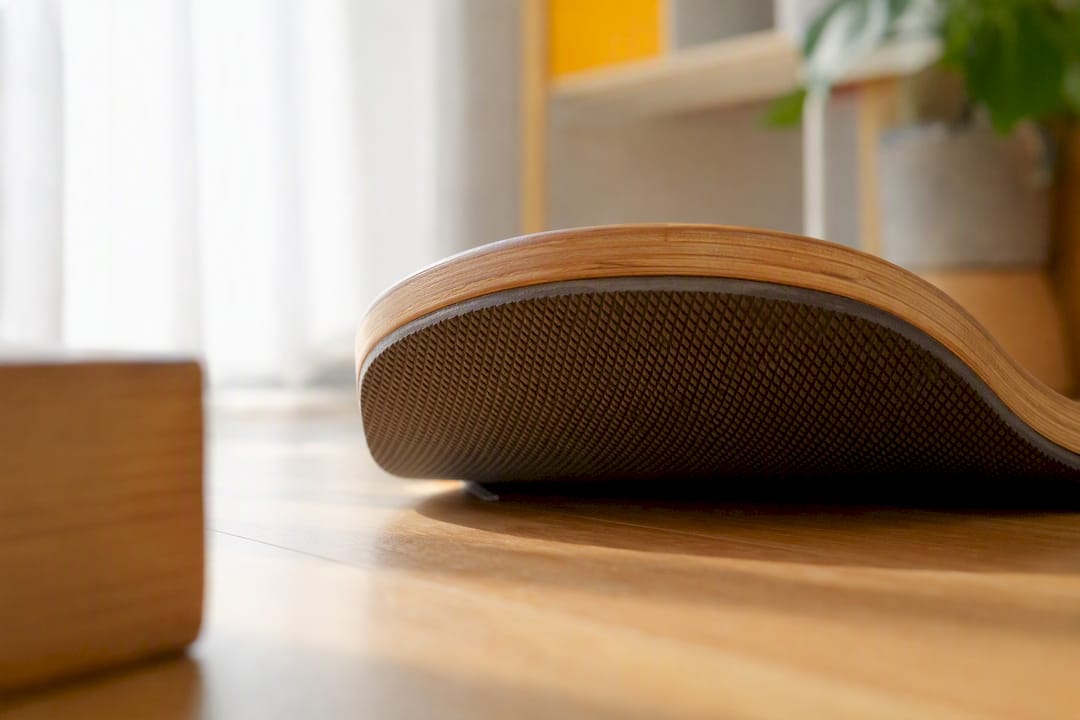
- Rubberized bases: the best bet for grip on hardwood or tile, since a full rubber bottom resists sliding far better than small felt pads
- Wood: attractive and sturdy for occasional DIY builds, but heavier and less forgiving if dropped on toes
Flat stones stack neatly for storage, while wobble-style stones add a balance challenge but take up more shelf space when they can’t nest.
How Do Stepping Stones Help a Child’s Motor Development?
Stepping stones do real developmental work disguised as play. Every hop, wobble, and pause builds gross motor skills, core strength, and the vestibular input kids need to understand where their body is in space.
- Balance and vestibular processing: the inner ear and core work together every time a child shifts weight from stone to stone
- Proprioception: feeling pressure through the feet helps kids judge force and placement without looking down
- Motor planning: deciding how far to step, and whether a surface will hold, is a cognitive skill as much as a physical one
Therapists at NAPA Center explain that stepping stones support motor planning by asking children to evaluate distance, height, and surface stability before committing to a movement, and they recommend varying the layout regularly so the challenge grows with the child.
If you want to map this play to your child’s stage, Thebestkidstoys’ development milestones guide breaks down what to expect by age. Pro Tip: Start with stones set close and flat, then widen the gaps or flip a stone over once your child crosses confidently without wobbling.
What Safety Certifications Should You Check Before Buying?
Before anything ends up on your living room floor, check the label. ASTM F963 and CPSIA are the two standard safety benchmarks to look for on toy packaging or product pages, and they cover the hazards that matter most for stepping stones.
- ASTM F963: tests for mechanical hazards, sharp edges, and choking risk from small parts
- CPSIA: limits lead and phthalates in materials, so a compliant stone won’t leach chemicals into little hands or mouths
- Non-toxic, odor-free plastics: a strong chemical smell out of the box is a red flag worth returning over
- Slip resistance: a full rubberized base or continuous rubber edge outperforms small felt pads on smooth indoor floors
Supervise toddlers on any stepping-stone activity, keep the play area on a flat surface away from stairs or furniture edges, and have kids play barefoot or in grippy socks rather than slick-soled shoes.
How Do You Set Up Stepping Stones for Safe, Fun Play?
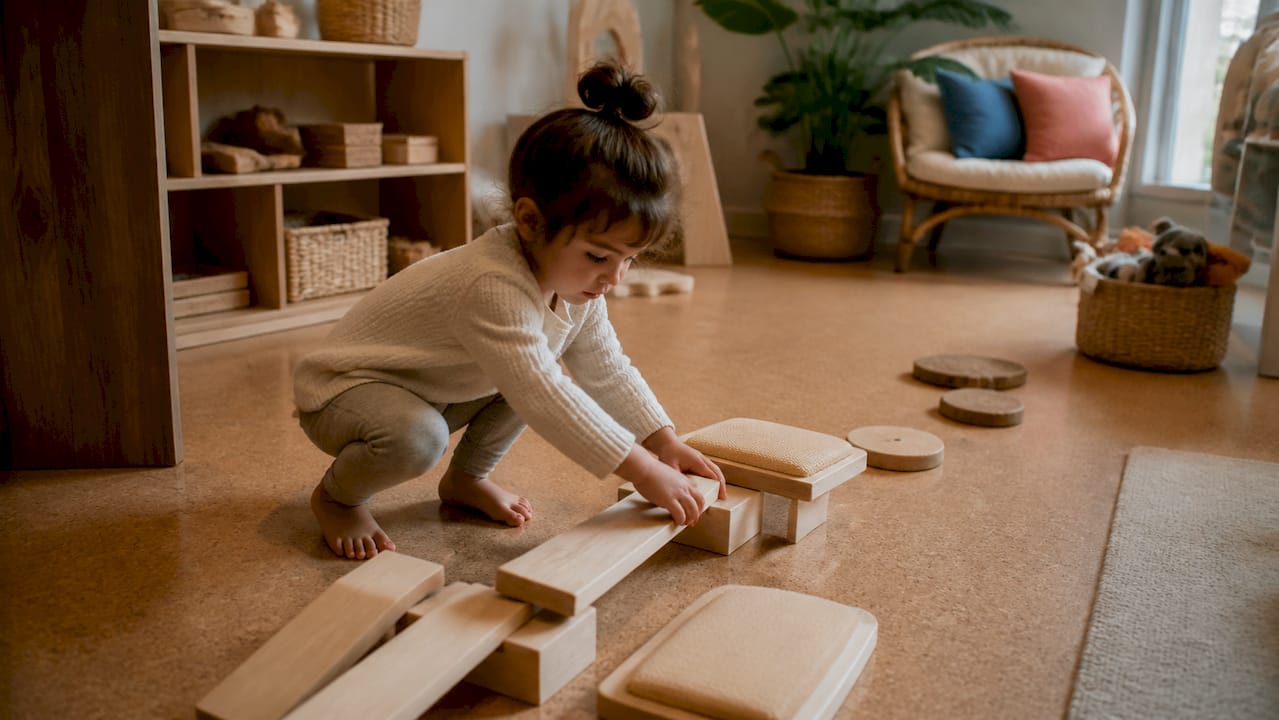
Getting the most out of a set comes down to starting simple and building up. A five-stone kit can fill an afternoon if you know how to layer the challenge.
- Place two or three stones close together on carpet or a rug, with an adult standing by for support
- Once your child crosses confidently, widen the gaps between stones
- Flip stones to their wobble side, or mix wobble and flat stones in the same path
- Add a balance task, like standing on one foot for three seconds before stepping again
- Turn it into a mini obstacle course by combining stones with cushions, a tunnel, or a climbing toy
Quick activity ideas for a 5 to 10 minute session:
- “Cross the river” without touching the floor
- Counting steps out loud while crossing
- Freeze-and-balance games with music
Pro Tip: Rotate textures underfoot, smooth plastic one round, a nubby sensory surface the next, to keep the sensory input varied and the activity feeling new.
What Should You Look for When Buying a Set?
A short checklist saves you from buyer’s remorse once the box arrives. Run through these points before you add a set to your cart:
- Size and height: low profile stones (under 3 inches) are safer for first-time steppers under age 2
- Slip resistance: confirm a full rubber base, not just small grip pads on the corners
- Safety certification: look for ASTM F963 and CPSIA compliance stated on the listing
- Stackable design: stones that nest save real shelf space between play sessions
- Cleaning claims: wipeable or waterproof materials hold up better to daily use
Price generally tracks durability. Lower-cost sets often use thinner plastic that cracks within a season, while higher-end sets typically use thicker rubberized construction designed to last several years of active play. Before buying, check the listing for shipping timeline, maximum weight capacity, and return policy, since those details vary widely between sellers.
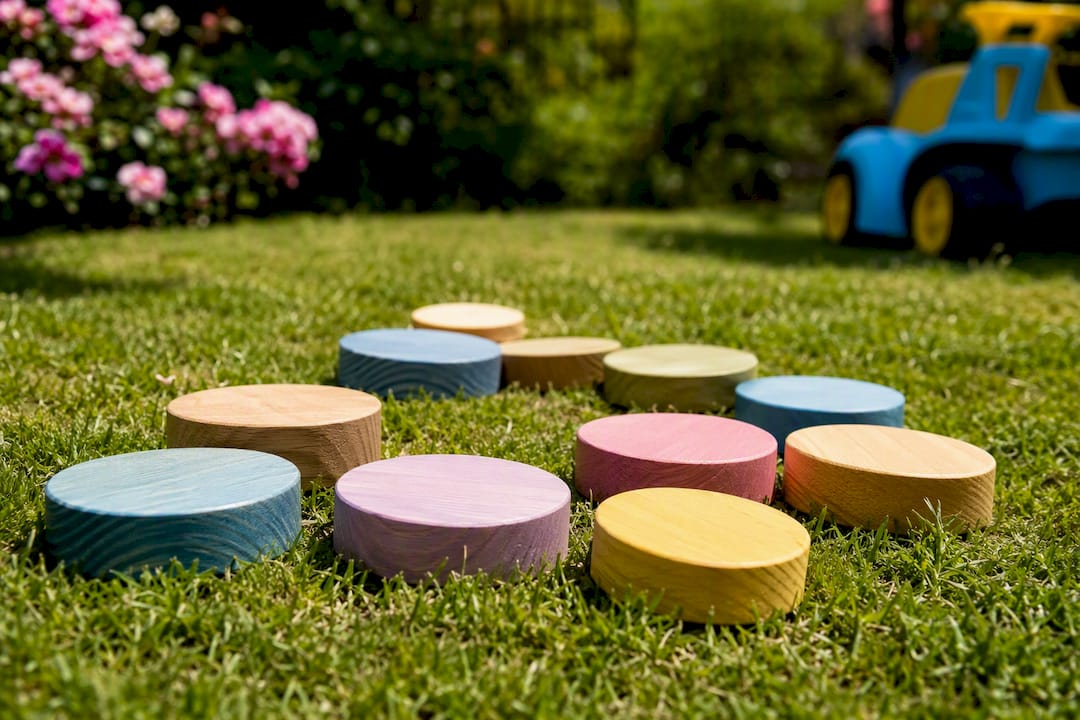
A DIY option works well as a low-cost supplement: painted wooden rounds or foam tiles from a craft store, sanded smooth and sealed with non-toxic paint, make a fine backyard add-on. Just skip small glued-on decorations that could become a choking hazard.
How Do You Clean and Store Stepping Stones?
A little upkeep keeps a set safe and slip-resistant for years. Wipe plastic and rubber stones with soap and water; avoid high heat or a dishwasher, which can warp molded plastic. Foam or EPP stones can handle a damp cloth but shouldn’t be soaked.
- Stack or nest stones when not in use to save floor space and reduce surface wear
- Keep outdoor sets out of direct sun for long stretches, since UV exposure fades color and can make plastic brittle over time
- Retire any stone with visible cracks, peeling non-slip texture, or a wobble that wasn’t there before
Why We Recommend This Set for Growing Kids
Every toy we carry goes through a review against safety, material quality, and long-term play value, and stepping stones are no exception. The Kids Balance Stepping Stones earned a spot in our lineup because they check every box we care about: verified safety compliance, a grippy base that actually holds on hardwood, and a design that adapts as a child’s balance improves instead of maxing out after a few weeks.
That’s the same philosophy behind everything at Thebestkidstoys, Montessori-inspired, open-ended play that respects both a child’s development and a parent’s need for straightforward shipping and returns.
Ready to Bring Home a Set?
The Kids Balance Stepping Stones come as a multi-stone set with a textured, non-slip top and a stable rubberized base, everything you need to build a balance path across the living room floor in under a minute.
If your toddler is between ages 3 and 4, our 3 to 4 years collection rounds out the set with complementary gross motor toys, and orders over $60 ship free, so it’s easy to bundle a second activity in the same box. Returns are simple if the fit isn’t right for your child’s stage.
Ready for movement, balance, and a whole lot of giggling? Add the stepping stones to your cart and pick your child’s age collection to see what pairs well alongside them.