



Montessori-Friendly Dolls for Parents: Realistic, Development-First
The Best Kids Toys — Montessori Cloth Doll is the top pick for parents and educators who want a doll that genuinely supports child development. It earns that spot because it combines washable, child-safe materials with removable clothing that builds real dressing skills, all at a scale and weight a toddler can comfortably hold and care for. You can find it directly at Thebestkidstoys.
Here’s why it stands out:
- Washable textile body that survives the laundry cycle, making it practical for both home and classroom use
- Removable clothing with safe fastenings (snaps, simple buttons) that give little hands repeated fine-motor practice
- Realistic but simple face that invites imaginative projection without distracting licensed branding or electronic features
Key takeaways
The best Montessori-friendly doll is washable, simply designed, and built with real fastenings that give children genuine skill practice every time they play.
| Point | Details |
|---|---|
| Top pick | The Best Kids Toys Montessori Cloth Doll leads for its washable body, safe fastenings, and realistic scale. |
| Three core criteria | Choose by material washability, appropriate size for the child’s age, and removable clothing with real fastenings. |
| Age range | Cloth and soft dolls suit ages 2–6; wooden/soft learning dolls work from toddler age onward. |
| Safety reminder | Look for CPSC compliance and ASTM F963 labeling; check seams and fastenings monthly. |
| Thebestkidstoys | Thebestkidstoys curates all three recommended dolls for Montessori alignment, safety, and long-term play value. |
Table of Contents
- How do you choose the right Montessori-friendly doll?
- Thebestkidstoys’ recommended Montessori-friendly dolls
- How do Montessori-friendly dolls support your child’s development?
- Care, safety, and U.S. buying tips
- Why simple dolls outperform “feature-packed” ones
- Get your Montessori-friendly doll from Thebestkidstoys
- Further reading and sources
How do you choose the right Montessori-friendly doll?
Start with three questions: Is it the right size and weight for your child? Can the clothing come off and go back on independently? Is it made from materials you can clean? Those three criteria cover the majority of what separates a genuinely developmental doll from one that just looks the part.
Shopping checklist:
- Age fit — Choose a doll sized for your child’s hands. A 12–14 inch doll suits most 2–4 year olds; a 16 inch doll works well for ages 4–6.
- Material — Prioritize cotton or linen cloth bodies, or soft non-toxic vinyl for anatomically realistic options. Avoid hard plastics with sharp seams.
- Removable clothing — Look for real fastenings: snaps, buttons, or hook-and-loop closures. Clothing that only slides on and off skips the fine-motor benefit entirely.
- Poseability — A doll with a soft, poseable body can be laid down, cradled, and bathed in pretend play. Rigid dolls limit the caregiving scenarios a child can explore.
- Safety labels — In the U.S., look for CPSC compliance and ASTM F963 labeling, especially for children under 3.
Red flags to skip:
- Small detachable parts (hair accessories, tiny shoes) for children under 3
- Heavy electronic modules that dominate the play experience
- Licensed-character faces that lock the child into one narrative
- Fragile painted details that chip or peel with regular washing
Questions to ask before buying: Does the product listing specify the material composition? Are washing instructions included? Does the clothing use child-operable fastenings?
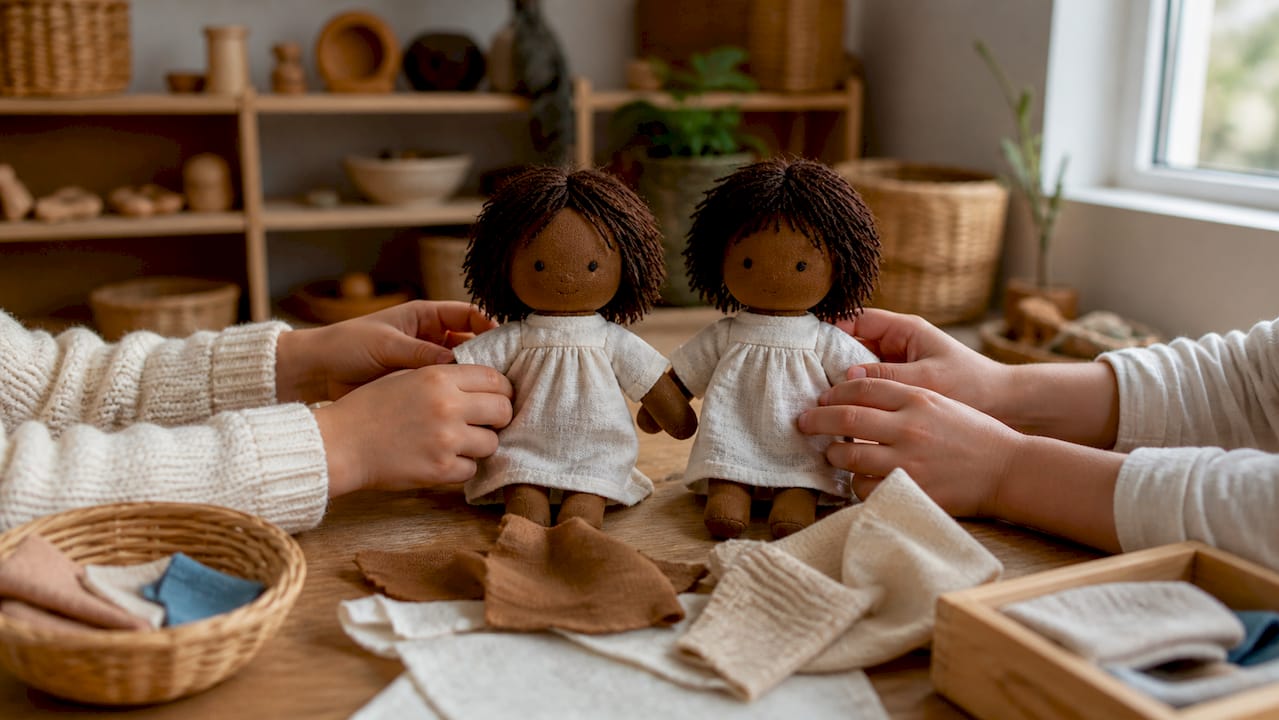
Pro Tip: If you’re buying for a classroom or a household with multiple children, consider purchasing two identical dolls. Children are far more likely to share and play cooperatively when they aren’t competing over a single toy. Durable cloth dolls hold up to group use in a way that vinyl or resin options often don’t.
According to parenting resources, open-ended pretend-play props reduce sibling conflict and encourage prolonged cooperative play, which makes a well-chosen doll one of the best toys siblings can share.
Thebestkidstoys’ recommended Montessori-friendly dolls
Every doll Thebestkidstoys recommends passes the same checklist above: appropriate scale, washable materials, real-world fastenings, and no distracting electronics. The picks below reflect that curation standard, guided by the principle that open-ended play builds independence in early childhood.
- Best Kids Toys — Wooden/Soft Learning Doll (recommended): — Combines natural wood and soft textile elements for sensory variety. Suited to children who benefit from tactile contrast and simple, purposeful design.
| Product | Best for | Age range | Materials & washability | Realism | Price range | Safety |
|---|---|---|---|---|---|---|
| Montessori Cloth Doll | Nurturing play, dressing practice | 2–5 years | Cotton cloth, machine-washable | Simple, calm face | $ | CPSC/ASTM-aligned |
| Montessori Cloth Doll (recommended) | Open-ended caregiving play | 2–6 years | Soft textile, washable | Realistic but simple | $ | CPSC/ASTM-aligned |
| Wooden/Soft Learning Doll (recommended) | Sensory play, fine-motor practice | 2–4 years | Wood + soft textile, spot-clean | Simplified, purposeful | $$ | CPSC/ASTM-aligned |
How do Montessori-friendly dolls support your child’s development?
Playing with a well-chosen doll builds empathy, fine-motor skills, language, and social confidence in ways that few other toys can match. The connection between doll play and development isn’t accidental; it’s built into the design. French Family Montessori recommends introducing simple, realistic baby dolls specifically to teach caregiving behaviors and empathy from the toddler years onward.
Here’s how specific doll features map to developmental gains:
- Shared doll play → collaborative storytelling with dolls and figures builds social skills and reduces conflict between siblings
These benefits compound over time. A two-year-old who starts with simple caregiving play often moves naturally into more complex social role-play by age four or five, using the same doll as a prop for richer, more collaborative stories.
Care, safety, and U.S. buying tips
Prioritize washable materials and CPSC/ASTM-compliant labeling whenever you’re buying a doll in the U.S., whether for home or classroom use. Hygiene and safety compliance aren’t optional extras; they’re the baseline for any toy a young child handles daily.
Care by material:
- Cloth dolls — Machine-wash on a gentle cycle in cold water; air-dry to preserve the shape and fastenings. Check seams after every few washes.
- Vinyl dolls — Wipe clean with a damp cloth and mild soap. Avoid submerging in water, which can trap moisture inside the body.
- Wood-and-textile dolls — Spot-clean the wooden parts with a damp cloth; follow the manufacturer’s instructions for the textile sections.
Routine safety checks:
- Inspect fastenings and seams monthly for wear, especially in classroom settings with heavy use
- Check for any small parts that may have loosened (button eyes, decorative clips)
- Store dolls in a low, accessible bin so children can retrieve and return them independently, which reinforces Montessori self-sufficiency habits
Price ranges in the U.S. market:
Economical cloth dolls are generally a practical choice for classrooms. Midrange washable play dolls with more detailed features tend to be moderately priced. Premium lifelike options, including anatomically realistic vinyl dolls from brands like JC Toys, are available at higher price points. Reborn collector dolls are significantly more expensive and are not appropriate for classroom or regular child play given their fragility.
Why simple dolls outperform “feature-packed” ones
Most parents assume that more features mean more learning. In practice, the opposite tends to be true for children ages 2–6. A doll that talks, sings, or lights up takes the creative work away from the child and hands it to the toy. The child becomes an audience rather than a storyteller.
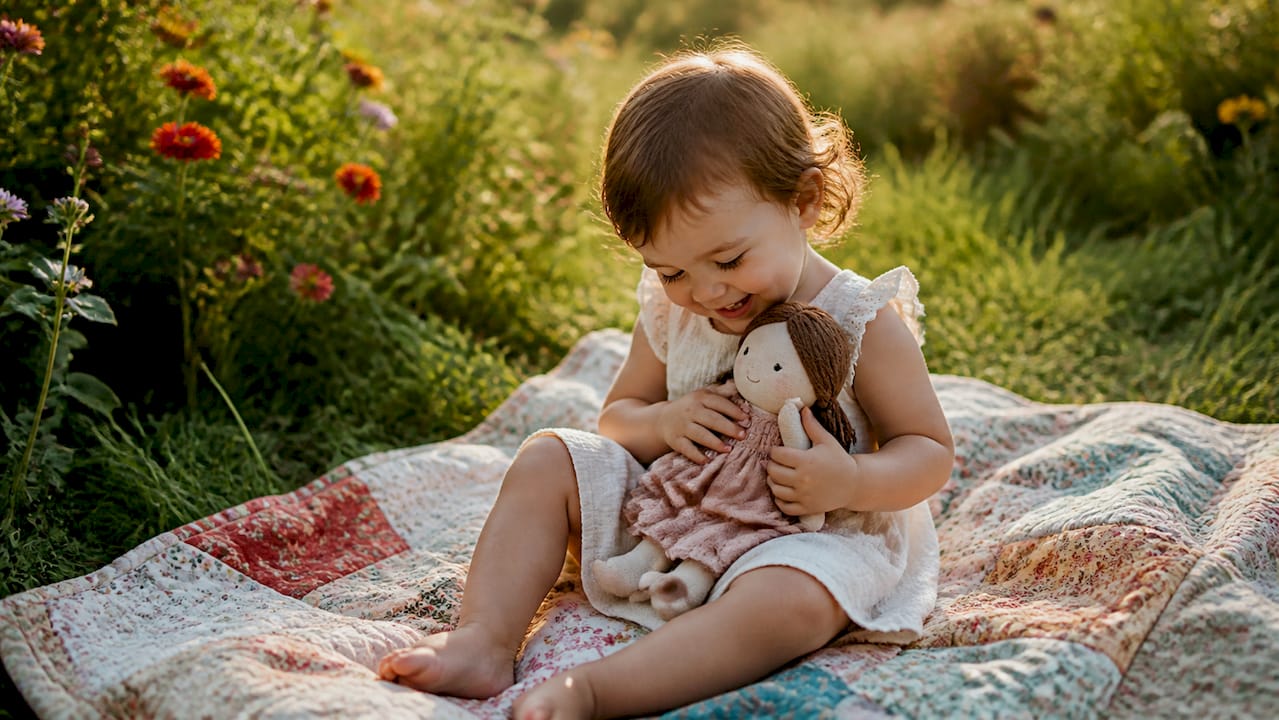
The Montessori tradition has understood this for over a century. A doll with a calm, simple face invites a child to decide whether it’s happy, sad, or tired, which is genuine emotional reasoning. A doll with a pre-set smile and a button that says “I love you!” does that reasoning for the child, leaving nothing to practice.
What I watch for when evaluating dolls for Thebestkidstoys is whether a child can take the lead within the first two minutes of play. If the toy is still directing the action after that, it’s working against independence rather than building it. The cloth dolls in this collection consistently pass that test: children pick them up, wrap them in a blanket, and start narrating their own story almost immediately. That’s the signal worth trusting.
Get your Montessori-friendly doll from Thebestkidstoys
Thebestkidstoys makes it easy to put a genuinely developmental doll in your child’s hands today. Every doll in the collection has been reviewed for Montessori alignment, material safety, and long-term play value, so you’re not sorting through hundreds of options hoping for the best.
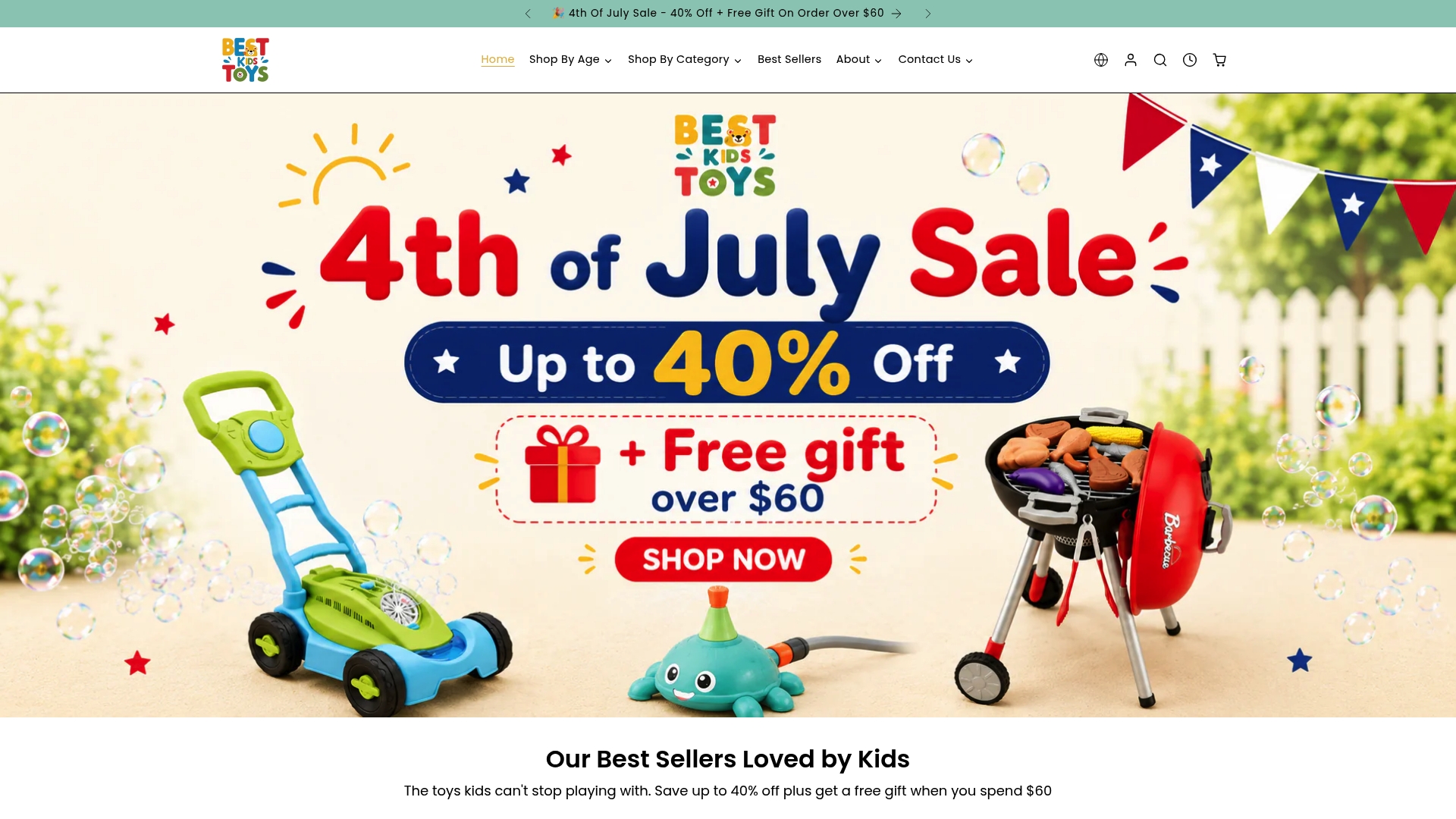
Right now, Thebestkidstoys is offering up to 40% off select toys, with free shipping on orders over $60. That makes it a great time to pick up the Montessori Cloth Doll alongside a complementary open-ended toy for a complete play corner. Classroom orders and bulk purchases are welcome; reach out through the site for details on educator pricing.
Further reading and sources
- Reborn doll - Wikipedia
- 11 Toys Siblings Can Enjoy Together Argue-Free | ParentCo.
- Sibling gift guide — Mama Smiles
- Introducing baby dolls — French Family Montessori
- Montessori Toys: How Open-Ended Play Builds Independence in Early Childhood — Best Kids Toys
- Montessori kids toys: how simplicity and purpose drive better learning outcomes — Best Kids Toys
Recommended
- Montessori Baby Toys: How Early Sensory Play Supports Infant Brain Dev – Best Kids Toys
- Fauxtessori: A Parent’s Guide to DIY Montessori Play – Best Kids Toys
- Montessori Toys: How Open-Ended Play Builds Independence in Early Chil – Best Kids Toys
- Montessori Toys: How Open-Ended Play Builds Independence in Early Chil – Best Kids Toys