



Fauxtessori: A Parent's Guide to DIY Montessori Play
Fauxtessori is defined as a DIY approach to Montessori-inspired learning that prioritizes independence, practical life skills, and open-ended play using everyday household items instead of brand-name toys. The term is informal and widely used by parents and educators online, while the underlying method aligns directly with established Montessori education principles developed by Dr. Maria Montessori in the early 20th century. Ninety percent of the value in any Montessori-inspired setup comes from environment and caregiver intentionality, not from the price tag on the materials. That single fact is the foundation of everything fauxtessori stands for. You do not need a $200 wooden bead frame. You need a purposeful space and a curious child.
What are the core Montessori principles fauxtessori activities support?
Fauxtessori activities support three core Montessori goals: independence, practical life skill development, and child-led discovery. These are not abstract ideals. They show up in concrete, daily moments when a three-year-old pours water from a small pitcher without help, or a five-year-old folds a cloth napkin at the kitchen table.
Child-led learning is the engine of this approach. Open-ended projects with driving questions transform children into active investigators rather than passive recipients of instruction. That shift from “do what I show you” to “figure it out yourself” is where critical thinking actually grows.
Practical life activities are the most accessible entry point for parents. Tasks like pouring, sorting, and simple food prep require zero dollars and minimal setup, and they deliver measurable gains in motor coordination and concentration for children aged 3–5. A child who practices transferring dried beans between two bowls is building the same pincer grip they will later use to hold a pencil.
Here is what these activities develop across key skill areas:
- Fine motor control: Pouring, spooning, and using tongs build hand strength and precision.
- Concentration: Repetitive, self-correcting tasks train sustained attention without external rewards.
- Independence: Completing a task without adult help builds genuine confidence, not just praise-dependent behavior.
- Problem-solving: When a child figures out why the water spills, they are doing real cause-and-effect reasoning.
Pro Tip: Observe your child for one week before setting up any activity. Note what they reach for, what frustrates them, and what holds their attention longest. That observation is your curriculum.
How to create a fauxtessori environment that fosters focus and deep play
The environment is not a backdrop. In Montessori philosophy, the space itself acts as the third teacher, shaping how children engage, how long they stay focused, and how independently they operate. Getting the environment right matters more than buying any specific material.
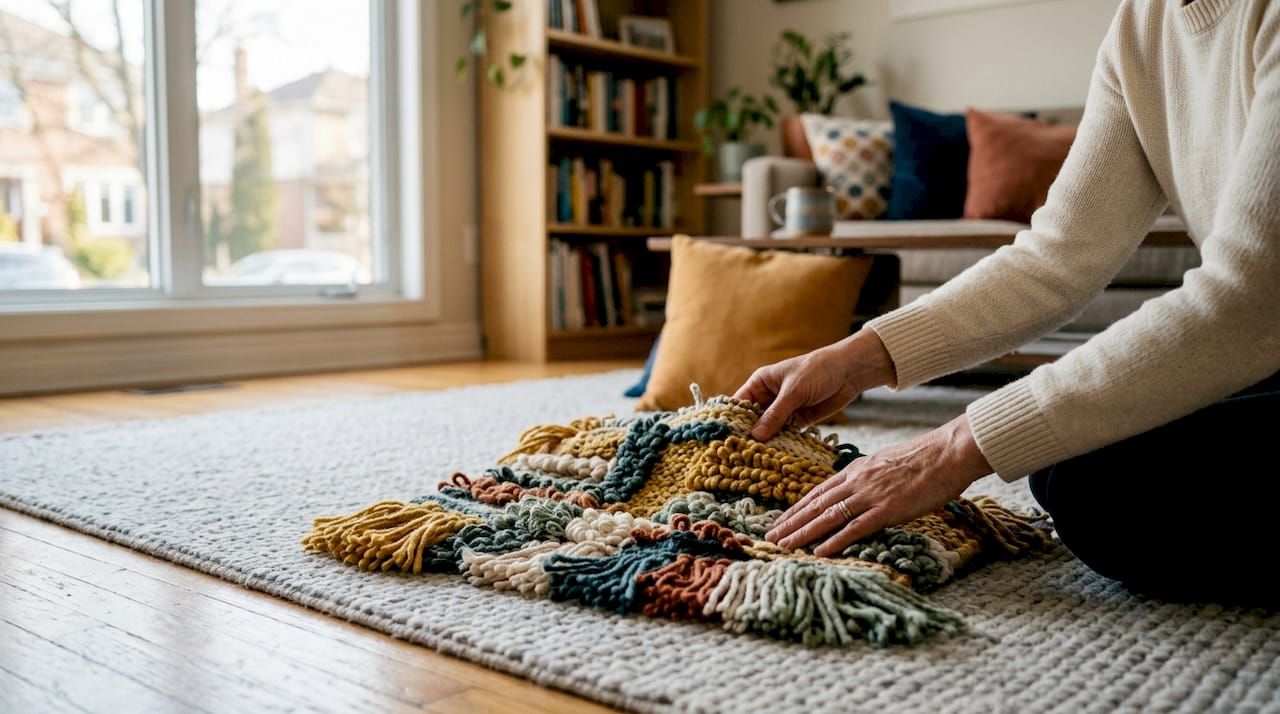
The single most effective change you can make is reducing clutter. An uncluttered space with 6–10 rotated activities supports calm, focused play and prevents the sensory overload that causes children to flit from one thing to the next without engaging deeply. Less is genuinely more here.
Follow these steps to set up a fauxtessori space at home or in a classroom:
- Clear the shelves. Remove all but 6–8 activities. Store the rest out of sight.
- Place materials at child height. Low shelves, small baskets, and child-sized tools signal that the space belongs to the child.
- Use natural light where possible. Position activity trays near windows. Natural light reduces visual fatigue and supports calm engagement.
- Add one sensory element. A textured mat, a small tray of sand, or a basket of fabric scraps gives children a grounding anchor before they begin focused work.
- Rotate materials every 2–4 weeks. Rotation prevents boredom and sustains long-term play value without requiring new purchases.
- Label everything simply. A picture label on a basket tells a pre-reader exactly where things belong, which supports cleanup independence.
Sensory regulation deserves special attention. DIY sensory tools like yarn moss mats built from yarn scraps provide proprioceptive input and calming through tactile variety. For children with sensory sensitivities, these homemade tools often outperform commercial alternatives because you can customize the texture, weight, and size to match the child’s specific needs. You can read more about how texture and sound-based toys support nervous system development in children.
| Environment Element | DIY Option | Benefit |
|---|---|---|
| Textured floor mat | Yarn scraps layered on a non-slip base | Proprioceptive grounding and calming |
| Activity tray | Repurposed baking sheet or wooden cutting board | Defines workspace and reduces spillover |
| Storage | Wicker baskets or small cardboard boxes | Encourages independent cleanup |
| Sensory bin | Plastic storage container with dried rice or beans | Tactile exploration and fine motor practice |
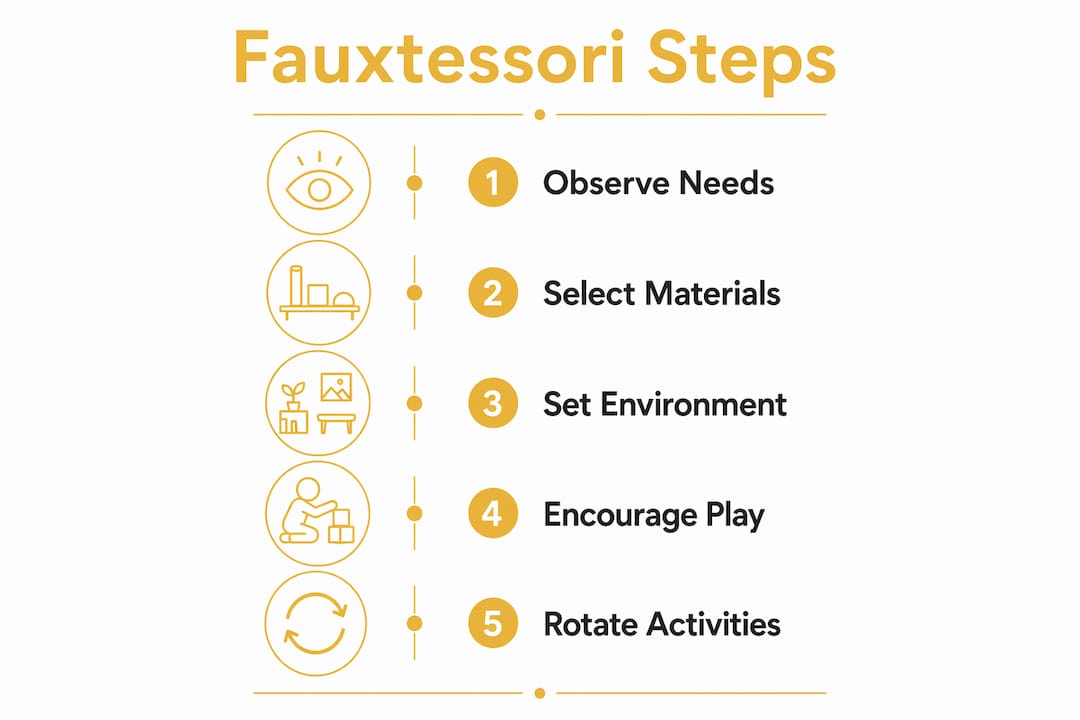
Pro Tip: Rotate one third of your materials at a time, not everything at once. That way the space feels fresh without feeling completely unfamiliar, which can unsettle younger children.
Do you really need expensive Montessori materials?
Expensive Montessori materials are not required for meaningful child development. This is the most common misconception parents encounter, and it costs families real money. Caregivers who set the environment purposefully and interact with intention drive development far more than any $150 wooden toy set.
The confusion comes from conflating Montessori ideology with Montessori branding. The philosophy centers on independence, sensory engagement, and self-correction. None of those principles require a specific price point or material.
Consider the comparison between “authentic” and DIY options:
- A commercial pink tower costs $80–$120 and teaches size gradation. A set of nested cans from your recycling bin teaches the same concept, plus the added challenge of irregular sizing that demands more complex motor planning.
- A branded sandpaper letter set costs $40–$60. Homemade versions using cardstock and fine-grit sandpaper from a hardware store cost under $3 and work identically.
- A mismatched basket of kitchen utensils often requires more complex motor planning and problem-solving than a purpose-built Montessori toy, because the child must figure out how the tools relate to each other.
The real driver of learning is purposeful interaction, not material authenticity. Simplicity and intentional presentation foster independence better than elaborate setups. When you choose a household item, ask one question: does this invite the child to act on it independently? If yes, it belongs in the space.
How to implement practical life activities that develop key skills
Practical life activities are the heart of any fauxtessori setup. They are also the easiest place to start because everything you need is already in your home. The goal is not to create a lesson. The goal is to set up an invitation that the child accepts on their own terms.
Observing your child’s specific interests over 1–2 weeks before choosing activities leads to better engagement than selecting generic kits. A child who loves water play is ready for pouring and transferring activities. A child who lines up objects is ready for sorting and sequencing work.
Here is a practical sequence for setting up and sustaining these activities:
- Choose one activity per tray. Keep each setup simple and self-contained. A small pitcher, two cups, and a sponge is a complete pouring station.
- Demonstrate once, slowly. Show the full sequence without narrating every step. Then step back completely.
- Allow mistakes. Spilled water is not a problem. It is feedback the child uses to self-correct, which is the actual learning.
- Offer activities for 20–40 minutes of uninterrupted access. Deep, focused play lasting this long builds concentration that transfers to academic tasks later.
- Rotate the activity after 2–4 weeks or when the child’s engagement drops noticeably.
Strong starting activities for children aged 3–5 include spooning dried lentils between bowls, folding washcloths, watering a small plant, spreading soft butter on bread, and sorting buttons by color or size. Each of these takes under 15 minutes to set up and costs nothing if you use what you already own. For children who are ready for more structured challenges, open-ended play resources can extend these activities in new directions.
Pro Tip: Write the child’s name on a small card and place it near their activity tray. This tiny detail signals ownership and increases the likelihood they will return to the activity independently.
Key Takeaways
Fauxtessori works because purposeful environments and caregiver observation drive child development far more effectively than expensive branded materials ever could.
| Point | Details |
|---|---|
| Environment over materials | An uncluttered space with 6–8 rotated activities supports deeper focus than any costly toy set. |
| Observation first | Watch your child for 1–2 weeks before choosing activities to match their actual developmental needs. |
| Practical life is free | Pouring, folding, and sorting using household items build motor skills and independence at zero cost. |
| Sensory design matters | DIY tools like yarn mats and textured trays regulate the nervous system and support calm engagement. |
| Rotation sustains interest | Changing one third of materials every 2–4 weeks keeps the environment fresh without overwhelming the child. |
Why I think fauxtessori is more honest than “real” Montessori shopping
Hugh here. After years of watching parents spend hundreds of dollars on wooden toys that collect dust, I have come to a firm conclusion: the fauxtessori approach is not a compromise. It is often the better path.
The children I have seen thrive most in Montessori-inspired environments were not surrounded by matching birch shelves and color-coded bead chains. They were in spaces where a thoughtful adult had paid close attention to what they needed, then put the right invitation in front of them. A repurposed muffin tin filled with pom-poms can hold a child’s attention for 40 minutes. A $90 sorting toy might get five.
The pitfall I see most often is over-structuring. Parents set up a beautiful tray, then hover, redirect, and narrate until the child’s curiosity collapses under the weight of adult expectation. The hardest skill in this approach is stepping back. Trust what you observe. Trust the child. The child-led discovery process creates richer learning than any scripted activity you could design. And for children with sensory needs, a homemade yarn mat or a DIY sensory bin often does more good than anything you can order online. Start simple. Watch closely. Adjust. That is the whole method.
— Hugh
Montessori-inspired toys that complement your DIY setup
When your DIY activities are humming along and your child is ready for a new challenge, a well-chosen toy can extend the learning beautifully. Thebestkidstoys curates a selection of Montessori-inspired busy books and hands-on learning tools designed to complement exactly the kind of practical life and open-ended play you have been building at home.
Every product at Thebestkidstoys is reviewed for safety, long-term play value, and alignment with child development principles. The site currently offers a 40% off sale and free shipping on orders over $60, which makes it easy to add one purposeful resource without breaking the budget. Whether you are looking for sensory toys to round out your regulation corner or an activity book for quiet independent time, Thebestkidstoys has options that pair naturally with your fauxtessori setup.
FAQ
What does fauxtessori mean?
Fauxtessori refers to DIY Montessori-inspired learning activities that use everyday household items instead of branded educational toys. The approach focuses on independence, practical life skills, and open-ended play rather than specific materials.
How many activities should I put out at once?
Displaying 6–8 activities at a time prevents sensory overload and supports calm, focused play. Rotate one third of the materials every 2–4 weeks to keep the environment engaging without overwhelming the child.
Can fauxtessori work in a classroom setting?
Yes. Fauxtessori classroom ideas translate directly to early childhood classrooms by using low shelves, child-sized tools, and rotating activity trays built from repurposed materials. The same principles of child-led discovery and uncluttered environments apply in group settings.
Do I need to buy anything to start fauxtessori?
No. Practical life activities like pouring, sorting, and folding require only household items and cost nothing to set up. The most valuable investment is time spent observing your child’s interests and developmental needs.
How is fauxtessori different from standard Montessori education?
Standard Montessori education uses a specific set of didactic materials developed by Dr. Maria Montessori and delivered by trained educators. Fauxtessori applies the same core principles, including independence, sensory engagement, and self-correction, using accessible, low-cost alternatives at home or in informal settings.