


Winter Indoor Activities for Families, No Screens or Special Gear
The best winter indoor activities are screen-free options grouped by energy level: active movement, crafts and STEM, kitchen play, games and puzzles, and cozy downtime. The CDC recommends 60 minutes a day for children and 2.5 hours a week for adults. Below you’ll find low-prep ideas, quick engagement tips from HealthyChildren.org, and a tiny weekly plan.
TL;DR:
- Clear the area, move sharp corners, and use soft surfaces; shorten courses and lower jumps for little children, while older children can add a timer or second lap.
- HealthyChildren.org says household items such as boxes, pots, and cushions invite flexible play that can build creativity and problem solving.
- Following a child’s lead and sharing attention around the same activity supports language and cognitive growth more than choosing a particular toy.
- A predictable routine without screens before breakfast or during meals works best when a puzzle or craft is ready as an alternative.
- A daily rhythm pairs morning and afternoon movement with a midday project and quiet evening activity, without requiring a full day schedule.
Table of Contents
- 1. Fourteen winter indoor activities sorted by energy level
- 2. How to set up active indoor games that burn energy
- 3. Easy crafts and STEM projects from household materials
- 4. Cozy, low-energy activities for quiet days and evenings
- 5. Engagement strategies that make play more rewarding for everyone
- 6. A simple weekly plan you can copy
- 7. How to keep indoor screen time in balance
- 8. Bringing Montessori principles into winter play
- 9. Setting up your space for winter fun and learning
- 10. Ways to use educational toys in winter play
- 11. Keeping winter expectations realistic
- 12. Toys and kits that support these winter activities
- FAQ
- Sources
1. Fourteen winter indoor activities sorted by energy level
Pick by mood, not by the clock. Here is a menu you can start in minutes, grouped so you can match the day’s energy and whatever supplies are in the drawer.
Active movement
- Build an obstacle course from couch cushions, pillows, and a hallway.
- Run a freeze dance round, then switch to slow motion for a calm finish.
- Set up a balance trail with a line of painter’s tape on the floor.
- Race pom-poms across the table by blowing through straws.
Crafts and STEM
- Turn cardboard boxes into a tiny town with roads, shops, and a park.
- Fold paper airplanes and test which design flies farthest.
- Make a sensory bin from dry rice, scoops, and small cups.
Cooking and kitchen play
- Bake simple cookies and let your child measure and stir.
- Make a snack board where kids sort and arrange fruit and crackers into patterns.
Games, puzzles, and family fun
- Play charades with animals, jobs, or favorite book characters.
- Hold a family jigsaw puzzle night with a timer or a team challenge.
- Invent a house rule for a board game, such as “every roll gets a silly action.”
No-equipment options
- Try pillow forts, sock-ball toss, or a living room scavenger hunt using only what you already own.
Empty boxes, pots, and cushions are often better than fancy gadgets. Healthychildren notes that household items tend to encourage open-ended play that builds creativity and problem solving. Winter is a good excuse to lean on them, as with indoor activities that engage different age groups like the Perot Museum and escape rooms in Dallas indoor activities Dallas.
2. How to set up active indoor games that burn energy
When outdoor play isn’t possible, a few simple setups help kids reach the 60 minutes a day the CDC recommends for children ages 6–17. Movement here doesn’t need to be fancy. It just needs a clear space and a clear starting signal.
- Painter’s tape obstacle course. Tape a path across the floor, then add cushions to hop over and a hallway to crawl through.
- Tape road. Lay a winding road for toy cars, with a stop sign and a parking spot at the end.
- Movement scavenger hunt. Hide small items and add a move for each find: hop to the couch, tiptoe to the shelf, spin before you grab it.
- Freeze dance. Pause the music at random moments and have everyone hold a silly pose.
MSU Extension lists these kinds of large-motor ideas, along with balance exercises, straw-and-pompom races, and children’s yoga, as practical ways to support physical development indoors.
Clear the zone first, move sharp furniture corners aside, and choose soft surfaces. Stay close and watch. For little ones, shorten the course and lower the jumps. For older kids, add a timer or a second lap with a new rule.
Pro Tip: Let your child design the course, then try it yourself. They may stay engaged longer when it’s their idea.
3. Easy crafts and STEM projects from household materials
Crafting and tinkering keep hands busy and brains curious. Most of these projects need only things from the recycling bin or the junk drawer, and each one teaches something real.
- Cardboard town: use boxes, markers, and tape. It builds fine motor skills and planning.
- Baking-soda volcano: use a cup, baking soda, vinegar, and food coloring. It shows cause and effect.
- Simple LED circuit: use a coin cell battery, an LED, and a little tape, with an adult leading. It introduces how a closed loop works.
- Sensory bin: use rice or oats, scoops, and cups. It builds sequencing and focus.
- Make-your-own puzzle: draw a picture on cardstock, cut it into pieces, and put it back together. It builds spatial thinking.
To stretch a project across several days, add a new layer each session: paint the town, add a bridge, then write street names. For younger children, keep steps short and let them handle the squeezing, pouring, and gluing. For older kids, ask them to predict what will happen first, then compare it with the result.
4. Cozy, low-energy activities for quiet days and evenings
Not every winter afternoon needs a burst of energy. Sometimes the best plan is a blanket, a lamp, and one good idea. Quiet time can still be rich in language and connection.
- Themed movie night: pick a film, make snacks to match, and pause for discussion prompts like “What would you have done?”
- Read-aloud routine: read one chapter a night and let your child guess what happens next.
- Round-robin storytelling: each person adds one sentence, and the story gets sillier as it goes.
- Jigsaw puzzle marathon: leave a puzzle on the table and let everyone drop in when they like.
- Simple sensory play: try a bowl of warm water and soft washcloths, or a tray of dry beans to run fingers through.
To make quiet time work harder, ask open questions, add a surprise character twist, or try a “what if” prompt. When you have a little time, grab a book, a pillow pile, or a family photo album and chat about the pictures. A few other screenless winter ideas, like letter writing and drawing together, are listed in Psychology Today.
5. Engagement strategies that make play more rewarding for everyone
A few small habits can turn good activities into great ones. The most helpful idea is joint attention, which simply means you and your child focus on the same thing at the same time. A UNC resource on joint attention describes it as a powerful driver of language and cognitive growth, one that matters more than any particular toy.
The simplest way to get there is to follow your child’s lead rather than directing every step. If your child decides the cardboard town needs a dragon, you have a dragon. HealthyChildren.org also encourages working and playing side by side, which makes connection easy.

For energy management, try a movement menu. CSU Extension suggests writing high-energy and calming movements on popsicle sticks. Kids pull one at random, and the choice-and-surprise element keeps them engaged longer than direct instruction.
Pro Tip: Alternate a high-energy stick with a calming one. The contrast keeps the day balanced and the house a little quieter.
6. A simple weekly plan you can copy
A routine doesn’t have to be complicated. Think in short blocks and give each one a job.
- Morning: a movement burst such as freeze dance or the tape obstacle course.
- Midday: a craft or STEM project while snacks are out.
- Afternoon: another movement break to reset energy.
- Evening: a cozy block with a read-aloud, puzzle, or movie night.
University extension guidance on winter family activity recommends planning ahead and scheduling mini movement breaks, which add up toward recommended activity levels. Keep a small supply kit ready: painter’s tape, craft paper, popsicle sticks, a basic puzzle or board game, and a few durable wooden toys.
7. How to keep indoor screen time in balance
Winter makes screens tempting, and that’s okay. The goal isn’t zero screens. It’s a rhythm where screens are one choice among many and don’t crowd out playing, talking, and moving together.
Start with a consistent screen-free routine. Psychology Today notes that heavy screen use can distract from the social bonding and deeper interaction that hands-on play offers. A predictable pattern, like no screens before breakfast or during meals, takes the daily negotiation out of it.
Next, have a ready replacement. When a child asks for a show, point to the movement menu, the puzzle on the table, or the craft basket. Choices beat “no.” Plan a small, appealing alternative before the request comes, and you’ll find yourself saying yes to something else far more often.
Finally, make screen time shared and purposeful. Pick a movie, watch together, and then use a discussion prompt or act out a favorite scene during freeze dance. A show becomes a springboard rather than a stopping point. Keep the start and end clear, and let a favorite quiet activity follow so the switch feels smooth rather than abrupt.
8. Bringing Montessori principles into winter play
Montessori-inspired play is about independence, choice, and purposeful work, and it fits a winter day beautifully. You don’t need a special classroom. You need a few thoughtful choices.
Begin with a small, tidy selection of activities rather than a toy avalanche. Place a puzzle, a craft tray, and a basket of wooden blocks on low shelves so your child can pick and return them without help. A short list of choices tends to invite deeper focus than a crowded room.
Then step back. Show how to use a material once, slowly, and let your child try. Resist fixing mistakes right away. The pouring that spills or the tower that tumbles is part of learning, and your calm presence matters more than a perfect result.
Choose open-ended materials that grow with your child: blocks, simple puzzles, pretend-play figures, and art supplies. Rotate them from time to time so old favorites feel new. Real-life tasks count too. Washing a few dishes, wiping a table, and measuring ingredients are satisfying “work” for little hands. Pair them with a cozy rhythm, like a snack and a story after the work is done, and the winter day feels unhurried and purposeful.
9. Setting up your space for winter fun and learning
A well-arranged room invites play before you say a word. Think in zones rather than rooms, so each activity has a home.
Create a movement zone with a cleared patch of floor and a few cushions. Keep painter’s tape and a small speaker nearby so you can start a game in seconds. Make a making zone with a low table, a tray, paper, crayons, and scissors, so cleanup means lifting one tray.
Add a quiet corner with a blanket, a lamp, and a basket of books. Cozy lighting, a rug, and a few pillows make the place feel special, and kids often drift there on their own when energy dips.

Store supplies where children can reach them. Clear bins with simple labels or pictures help little ones choose and put things back. Rotate only a few items at a time and tuck the rest out of sight. Fewer choices usually mean longer play, and the room stays easier to reset.
Do a safety sweep before big movement games: move breakables, check that rugs lie flat, and keep a clear path to doors. Finally, leave one surface free for ongoing projects, such as a puzzle or a half-built cardboard town, so children can return to it day after day.
10. Ways to use educational toys in winter play
Good toys can anchor many of the activities above, and the best ones do many jobs. Think of a toy as a starting point for a game rather than the whole game.
- STEM kits and building sets: challenge your child to build a bridge for the tape road or a tower tall enough to reach the windowsill.
- Puzzles and brain games: pair a puzzle with a timer for a family race, or take turns placing pieces in silence for a calm, cozy block.
- Wooden toys and pretend-play figures: use them to populate the cardboard town, then ask your child to tell the story of who lives there.
- Open-ended sets: add them to a sensory bin or a scavenger hunt so counting, sorting, and storytelling fit right in.
- Life skills toys: invite kids to “cook” in a play kitchen while you bake the real thing.
Rotate toys the way you rotate activities. Put a few away for a week and bring them back, and they feel brand new. Keep the focus on joint attention: sit down, follow your child’s lead, and let the toy support the conversation instead of replacing it.
11. Keeping winter expectations realistic
Some winter days are messy, loud, and unplanned, and that’s fine. What has worked in my own routine is a tiny ritual: a short activity after breakfast, whatever it is. Small experiments beat full-day schedules, and the weekly plan above is a place to start, not a standard to meet. Try one idea from the list and see what lands.
— Danica Hodge
12. Toys and kits that support these winter activities
At Thebestkidstoys, we curate Montessori-inspired and open-ended toys that fit right into the activities above: wooden toys for the cardboard town, STEM kits for rainy-day projects, and puzzles for quiet evenings. [CTA IMAGE placeholder removed]
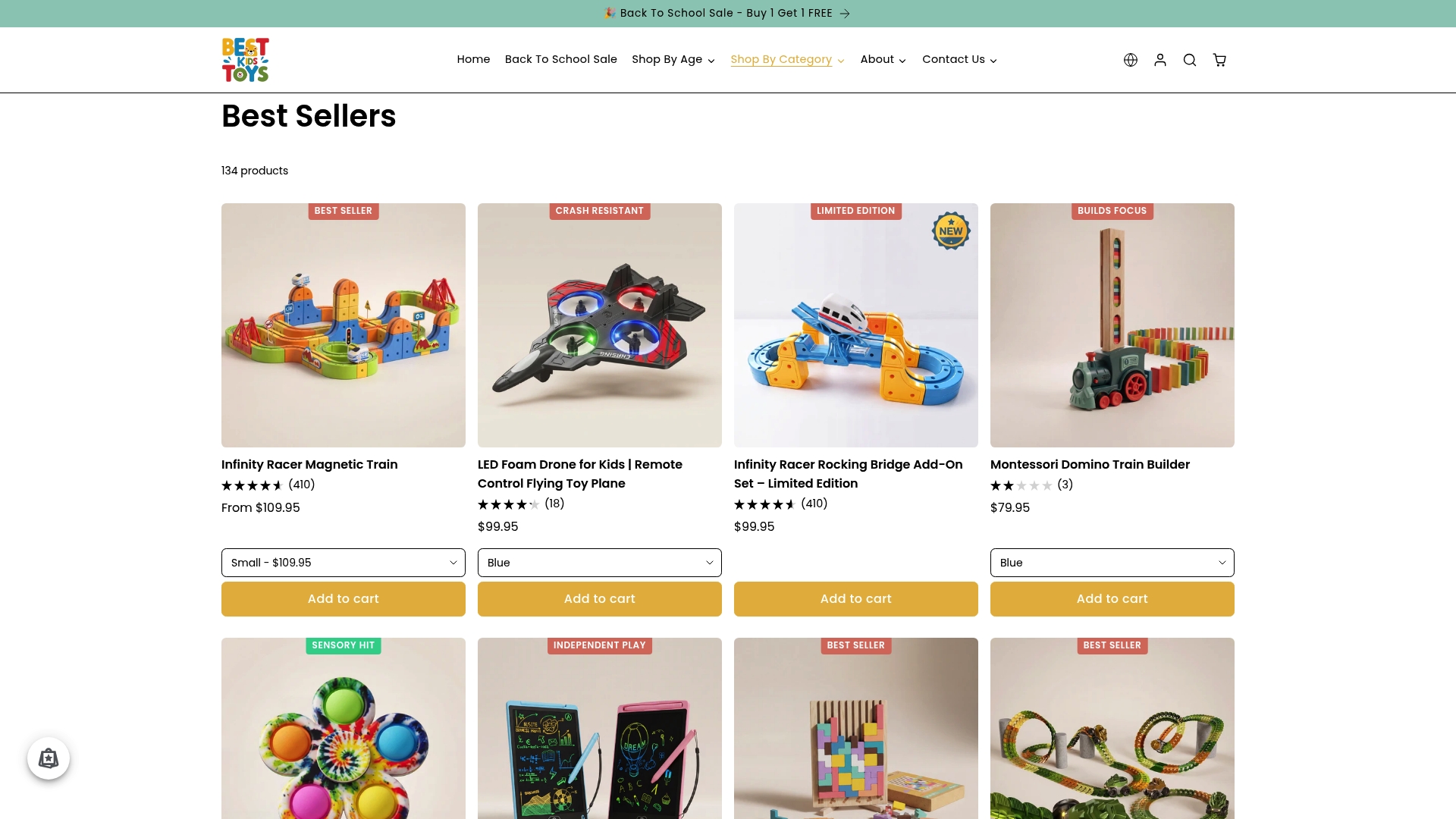
Browse our collections at Thebestkidstoys and find screen-free toys to bring this list to life.
FAQ
What are some good indoor hobbies to do during winter?
Crafts, baking, puzzles, reading, and drawing are all easy to start at home. They fit different energy levels and require few supplies.
What are some fun indoor games to play in winter?
Freeze dance, charades, obstacle courses, and scavenger hunts keep everyone moving and laughing. Board games with a house-rule twist work well too.
How much activity do kids need indoors?
The CDC recommends at least 60 minutes of physical activity a day for children ages 6–17. Short bursts of movement help you reach that goal.
How can I involve my child more in indoor play?
Follow their lead and focus on the same thing together, which builds language and thinking skills. Offering a few choices, like a movement menu, keeps them engaged.