



8 Montessori Sandpaper Letter Activities for Parents of Wigglers
Sandpaper letters build letter-sound awareness through touch, sound, and sight working together at once. The best approach pairs tracing with movement and games, introducing the phonetic sound before the letter name. The activities below give you ready-to-run options for children who love tracing and those who need to wiggle while they learn.
TL;DR:
- Most children benefit from switching between activities like scavenger hunts or relays if they resist tracing, prioritizing sound mastery over specific tasks.
- Introducing small sets of letters in a deliberate sequence and checking for mastery with simple games ensures proper sound recognition before adding new letters.
- Incorporating movement and tactile activities early on helps children who need more engagement or struggle with sitting still during traditional sandpaper letter work.
- Complementary exercises like hand-strengthening or rhyming games support writing readiness and can be integrated flexibly based on the child’s interests.
- Curated Montessori materials such as sensory trays, wooden letter tiles, and spelling games facilitate independent practice once activities are established as effective.
Table of Contents
- 1. Eight hands-on activities kids actually enjoy
- 2. How do you present sandpaper letters the Montessori way?
- 3. Extensions that carry the practice into writing
- 4. Who benefits most, and what to do when tracing falls flat
- 5. Montessori-friendly materials worth adding to your shelf
- Sources
- FAQ
1. Eight hands-on activities kids actually enjoy
Sandpaper letters are textured letter forms mounted on cards, designed to engage a child’s fingers, ears, and eyes all at once. They work best in small, playful bursts rather than long drills, so these activities keep sessions short and full of movement.
A sound scavenger hunt turns your living room into a classroom. Stick labels or small pictures around the house and send your child hunting for objects that start with the target sound, saying it out loud as they go. Reading Rockets points to this kind of scavenger hunt as an effective multisensory activity for reinforcing letter-sound mapping, and it works even before a child can read, since picture cards carry the meaning.
Mystery match uses a moveable alphabet or homemade letter cards tucked into a bag or box. Your child pulls one out, says the sound, then finds the matching sandpaper letter by feel or by sight.
A letter relay gets bodies moving: spread letters across the room or yard, call out a sound, and have your child race to find and bring back the matching letter. AMSHQ’s guidance on struggling learners notes that movement-based variations like relays help anchor tricky sound-letter pairs for children who resist sitting still for tracing.

Sensory tray tracing swaps the sandpaper card for a tray of sand, salt, or cooled shaving foam, where your child traces the letter shape with a fingertip. It is a favorite warm-up before returning to the actual sandpaper letter.

Tracing with tools changes the tactile feedback without changing the lesson: a paintbrush dipped in water, a cotton swab, or a fingertip each trace the letter a little differently, which keeps repetition from feeling like a chore.
A sound treasure bin fills a small box with household objects, some starting with the target sound and some not, and asks your child to sort them by ear.
Art integration lets a child stamp the letter shape in paint or build a collage of pictures that all start with the same sound, turning a phonics lesson into a small art project.
Partner games close the loop: you say the sound, your child traces the sandpaper letter, then runs to find a matching object somewhere in the room.
- Rotate two or three of these activities per session instead of repeating one.
- Let your child choose which activity to try first; ownership keeps interest alive.
- Keep each round under five minutes for children under five.
Pro Tip: Keep a small basket of scavenger-hunt labels and mystery-match cards ready to go, so a five-minute phonics moment never needs setup.
2. How do you present sandpaper letters the Montessori way?
The sequence matters as much as the activity. Montessori guidance is specific: sensitize the fingers first, model the sound rather than the letter name, and never introduce more than a small handful of letters at once.
- Wash or lightly brush your child’s index and middle fingers before starting, a small ritual that signals focused practice is about to begin.
- Trace the letter slowly yourself first, saying only the phonetic sound (“mmm,” not “em”) as your fingers move across the texture.
- Invite your child to trace the same letter the same way, repeating the sound together two or three times.
- Present letters in sets of two to three, following a sequence similar to the one laid out in the MSOR sandpaper letters guide, and wait until your child can isolate each sound confidently before adding a new set.
- Check for mastery with a simple game: mix the current set’s letters face down and ask your child to find the one that makes a sound you say aloud.
A short script helps here: “Watch my fingers. This says mmm. Your turn.” Keep your voice calm and unhurried, since the pacing itself teaches your child that this is a deliberate, careful activity rather than a race.
3. Extensions that carry the practice into writing
Sandpaper letters are a starting point, not the whole program. A few complementary activities strengthen the hand muscles and ears your child needs for real writing and reading.
- Build hand strength with tweezer transfers, spooning dry rice, or pressing shapes into playdough, all of which improve the pencil grip that letter tracing later depends on.
- Play oral-language games like rhyming pairs, blending onset and rime sounds, or clapping out syllables while marching in place; the NAEYC’s guidance on phonological play notes that movement and manipulatives such as clapping or hopping help build this awareness during everyday routines, not just formal lessons.
- Once sound mastery is steady, pair sandpaper letters with a moveable alphabet to build simple words, then move toward writing a child’s own name and short sentences.
These extensions do not need to happen in any strict order. A child who loves rhyming games but resists tracing can spend more time there and circle back to the letters later.
4. Who benefits most, and what to do when tracing falls flat
Multisensory practice helps most children, but some need more movement and play before a tracing card holds their interest. If your child pushes the sandpaper letter away, switch to a scavenger hunt or relay for a week, then bring tracing back once the sound feels familiar. The goal is sound mastery, not a specific activity, so let your routines, not the worksheet, carry the lesson.
— Danica Hodge
5. Montessori-friendly materials worth adding to your shelf
Once you know which activities click for your child, the right materials make repeating them effortless. A sensory tray, a set of wooden letter tiles, or a fine-motor kit for finger strength all pair naturally with the sandpaper letter work described above.
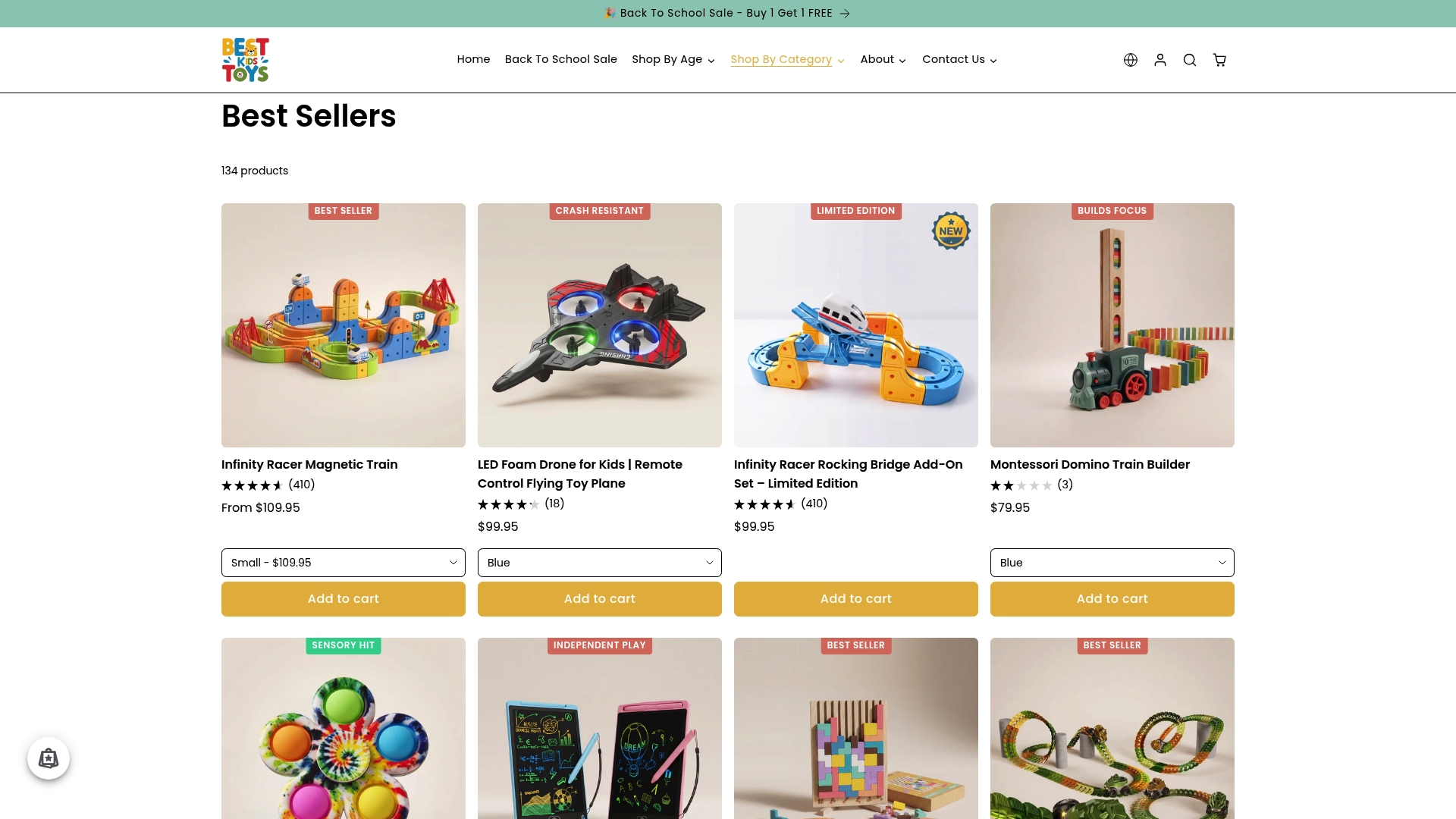
Every item is curated and reviewed by parents for real developmental value, not just shelf appeal, with a focus on safety and screen-free, independent play. Purchases come with a 30-day risk-free guarantee, so you can try an activity set without second-guessing it.
- Sensory toys for tray tracing and tactile warm-ups before letter work.
- Montessori STEM toys that extend sound and letter practice into early problem-solving.
- A wooden spelling game with flash cards for the moveable-alphabet stage that follows sandpaper letters.
Browse the full collection at Best Kids Toys to find the pieces that match where your child is right now.
Sources
- Sandpaper Letters — MSOR (Montessori Resources) PDF
- Phonological and phonemic awareness: activities for your kindergartener | Reading Rockets
- Word play throughout the day: Phonological awareness in the preschool classroom | NAEYC
FAQ
How can I teach sandpaper letters in a Montessori way?
Sensitize your child’s fingers first, then trace the letter slowly while saying only its phonetic sound, never the letter name. Introduce letters in small sets of two or three, following guidance from the MSOR sandpaper letters resource, and wait for mastery before adding a new set.
What are some fun activities for letter formation?
Scavenger hunts, letter relays, and sensory tray tracing in sand or salt all teach letter formation without feeling like a worksheet. Reading Rockets highlights scavenger hunts specifically as an effective way to link sounds to objects a child can find and touch.
What are some fun activities to learn letters?
Mystery match games, partner relays, and art projects like letter stamping or beginning-sound collages all turn letter learning into play. Movement-based variations work especially well for children who resist sitting still for tracing, according to AMSHQ’s strategies for struggling learners.
What are sandpaper letters in Montessori?
Sandpaper letters are textured letter cards that let a child see, hear, and feel a letter’s sound at the same time. They are typically introduced in small sets, with the phonetic sound taught before the letter’s name, following the sequence described in the MSOR sandpaper letters guide.
How do I know if my child is ready for sandpaper letters?
A child is often ready once they can sit for a short, focused activity and show interest in sounds, such as noticing rhymes or repeating sounds you say. If a child resists tracing or loses focus quickly, movement-based activities like scavenger hunts can build the same sound awareness first.