


10 Low Prep Playdate Activities Parents Can Run to Build Kids’ Skills
The best playdates are short, low-prep, and built around open-ended, screen-free activities that let kids lead the fun. The American Academy of Pediatrics and the CDC both point toward simple, child-led play, and at Thebestkidstoys we agree. Below you will find a quick list of indoor, outdoor, and group activities, age tips, and a safety checklist.
TL;DR:
- Toddlers usually do best with one guest and a visit of about an hour; parallel play is normal, so plan sensory bins or imitation games.
- For children under five, an adult should stay within arm’s reach around water; avoid home trampolines and put away toys with small parts.
- Groups of four or more stay engaged with brief cooperative rounds, a job for each child, and regular station changes announced before transitions.
- Ask the other parent about allergies, nap times, and who will be home; serve suitable snacks and remove small toys for young children.
Table of Contents
- 1. Which playdate activities work with almost no prep?
- 2. What are the best indoor playdate ideas?
- 3. What are fun outdoor playdate ideas?
- 4. How do you keep a group of four or more kids happy?
- 5. How should you tailor a playdate by age?
- 6. What safety and hosting basics should you cover first?
- 7. Why do playdates matter for child development?
- 8. What helps hosting feel less stressful?
- 9. How can curated toys support your playdate plans?
- FAQ
- Sources
1. Which playdate activities work with almost no prep?
Here are some quick picks you can set up while the kettle boils:
- Couch-cushion obstacle course: burns energy and builds balance. Prep: pile up cushions and pillows. Ages: toddler to early elementary.
- Playdough table: supports fine motor skills and pretend play. Prep: one tub per child. Ages: toddler to preschool.
- Backyard scavenger hunt: sharpens observation. Prep: jot down five things to find. Ages: preschool to early elementary.
- Sidewalk-chalk maze: invites cooperation. Prep: a bucket of chalk. Ages: preschool to early elementary.
- Fort building: sparks teamwork and planning. Prep: blankets and chairs. Ages: preschool to early elementary.
- Sensory bin: soothes and engages little hands. Prep: rice or oats in a tray. Ages: toddler to preschool.
- Stuffie tea party: encourages pretend talk. Prep: a few cups and stuffed animals. Ages: toddler to preschool.
- Musical chairs: easy turn-taking practice. Prep: chairs and a playlist. Ages: preschool to early elementary.
- Nature craft walk: collect leaves, then glue them onto paper. Prep: paper and glue sticks. Ages: preschool to early elementary.
- Simple team relay: cheers instead of rivalry. Prep: a start line and a beanbag. Ages: early elementary.
2. What are the best indoor playdate ideas?
Rainy day? Indoor play can be calm, creative, and surprisingly roomy. Healthychildren such as obstacle courses, crafts, and scavenger hunts that keep kids moving and engaged.
- Obstacle course: crawl under a table, hop over a pillow, balance along a line of tape.
- Fort building: let the kids design it, and resist the urge to fix the sagging roof.
- Playdough projects: NAEYC shares a playdough play plan with a simple recipe and project list that supports fine motor and cooperative play.
- Kitchen helpers: stirring muffin batter or washing berries counts as play.
- Craft stations: set out pre-portioned paper, stickers, and crayons so nobody waits for a turn.
Short on space? Use a rug as the “play zone,” keep paint out, and choose dry sensory bins that sweep up quickly.
Pro Tip: Be the guide at the side. Try short prompts like “What happens if you add another block?” or “How could your car get across the river?” and then step back.

3. What are fun outdoor playdate ideas?
Fresh air and open space are a gift on a sunny afternoon. Most of these ideas use things you already have at home or at the nearest park.
- Backyard scavenger hunt: hunt for something round, something fuzzy, something that crunches.
- Sidewalk-chalk mazes: draw winding paths and invite kids to “drive” through on foot.
- Nature crafts: gather sticks, petals, and pebbles, then make a collage.
- Water play: a shallow tub with cups and sponges is plenty. The AAP calls for touch supervision for children under 5 around water, meaning an adult stays within arm’s reach.
- Park games: tag, follow-the-leader, or “red light, green light.”
Pack sunscreen, water bottles, a blanket, and a bag for treasures. Choose outdoor play when the weather is mild and kids need to burn off steam. Pick indoor play when it is stormy, very hot, or when the youngest guests are tired.
4. How do you keep a group of four or more kids happy?
Bigger groups drift or squabble when rounds run long. Keep activities brief, give every child a job, and rotate often.
- Musical chairs variants: play “musical hugs” or “musical statues” so no one sits out.
- Team relays: aim for cooperation, such as passing a beanbag down a line.
- Group mural: tape butcher paper to a wall or fence and let everyone add to it.
- Station rotation: set up a craft, a movement, and a sensory station, and swap regularly.
- Short cooperative games: keep each round to a few minutes, then move on.
Give a warning before each switch so transitions stay smooth. Keep an adult close to every small cluster of children, and let the kids pick the first station so rotating feels fair.
5. How should you tailor a playdate by age?
A good playdate matches what kids can do right now.
- Toddlers: keep it to about an hour, expect parallel play (side by side, not together), and lean on sensory bins and imitation games.
- Preschoolers: try guided pretend play and turn-taking. By age 4, most children reach social milestones like pretending in play and comforting friends, so give them space to practice language and settle small conflicts.
- Early elementary: reach for rule-based games, simple crafts that teach sequencing, and group projects such as building a cardboard city.
If one child struggles, step in as a gentle coach rather than a referee. HealthyChildren.org notes that observing playdates helps you spot strengths and coach sharing or turn-taking.
6. What safety and hosting basics should you cover first?
A little planning before the doorbell rings keeps everyone calm.
- Start small: Healthychildren and starting with one guest for young children.
- Ask the other parent: check allergies, nap times, and who else is home. Healthychildren.
- Plan snacks and toys: pick allergy-friendly snacks and put away small parts around little ones.
- Watch water and trampolines: avoid home trampoline use, and supervise children closely around water.
- Stock a kit: first-aid supplies, wipes, and spare clothes.
For children under 5, the AAP recommends touch supervision in or around water: an adult within arm’s reach at all times.
7. Why do playdates matter for child development?
Play does real work. WebMD summarizes the American Academy of Pediatrics as stating that play builds language, executive function, social-emotional skills, problem-solving, collaboration, and creativity.
NAEYC encourages parents to act as a “guide at the side” so children can experiment and solve problems on their own. Open-ended materials like blocks and playdough support many skills at once.
Three quick prompts help you extend learning:
- Describe: “You stacked the red block on top!”
- Imitate: copy what your child does, then add one small twist.
- Ask open-ended questions: “What could we build next?”
8. What helps hosting feel less stressful?
Here is my one habit: set out a single “welcome activity” before guests arrive. A tray of playdough or a pile of blocks gives kids something to do the second they walk in, and those awkward first minutes melt away.
Your playdate will not be perfect, and it does not need to be. Messy, child-led play is still good play. Try a few ideas, keep what works, and change the rest.
— Danica Hodge
9. How can curated toys support your playdate plans?
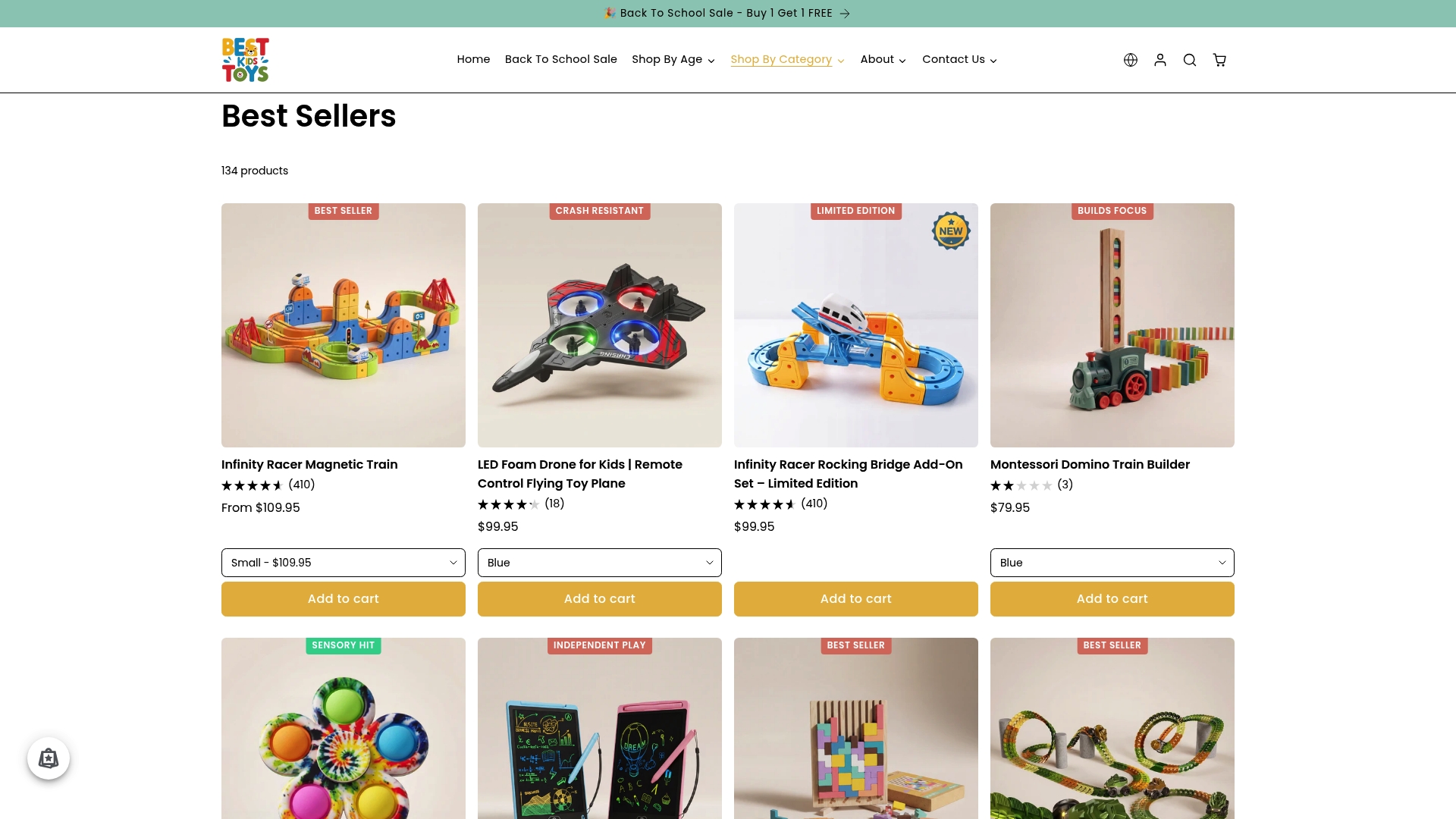
Open-ended toys like blocks, puzzles, and pretend-play sets map to many ideas in this article, from fort building to stuffie tea parties. We curate Montessori-inspired, screen-free toys with safety and long-term play value in mind. If you would like ready-made materials on hand, browse our playdate-ready toys at Thebestkidstoys and stock up before the next gathering.
FAQ
What are good things to do at a playdate?
Choose simple, open-ended activities like obstacle courses, playdough, scavenger hunts, and fort building. Keep prep low and let the kids lead. Short, screen-free play tends to work best.
At what age should kids start having playdates?
There is no strict starting age, but toddlers often do best with short visits of about an hour and one guest. At that age, side-by-side play is normal, and real cooperation grows with time.
What are some fun activities for a playdate with a 6-year-old?
School-age children may enjoy rule-based games, scavenger hunts, simple crafts, and team relays. Cooperative projects, like a group mural or a cardboard city, also work well.
How long should a playdate last?
For young children, about one hour is a good first visit. You can stretch it as kids get comfortable with each other and the routine.