



Outdoor Pretend Play: 20+ Ideas Kids Will Actually Beg For
Try this tonight: set up a 20-minute mud-kitchen tea party using either a bucket-and-spoon DIY station or a wooden mud kitchen, and watch how fast your child starts narrating a whole story around it. That’s outdoor pretend play in its simplest, most effective form, and it works for toddlers through early elementary kids with almost no setup.
Two ways to start right now:
- DIY tonight: an old muffin tin, a few plastic cups, and a bucket of water and dirt from the yard.
- Vetted pick: a Montessori spring outdoor toy built with rounded edges and weather-ready materials for kids ages 3 and up.
Pro Tip: Stay within arm’s reach during any water play, and skip anything with small, loose parts if your child is under three.
Key Takeaways
Outdoor pretend play builds richer social and motor skills than indoor role play because open-ended natural materials push kids toward more complex, cooperative scenarios.
| Point | Details |
|---|---|
| Start small tonight | A 20-minute mud-kitchen or camping scenario needs only a bucket, spoon, and a few household props. |
| Mix real objects with toys | Adding familiar real-life items deepens immersion more than plastic props alone. |
| Match props to age | Toddlers need simple repeatable actions; early elementary kids can sustain 45-minute, multi-role plots. |
| Prioritize weather-ready materials | Sealed wood and UV-stable plastic outlast standard plastic toys left in direct sun. |
| Choose vetted outdoor sets | Best Kids Toys’ curated collection checks non-toxic finishes, durability, and Montessori alignment before listing. |
Table of Contents
- What Makes Outdoor Pretend Play Different From Indoor Role Play
- What Should You Look For When Buying Outdoor Pretend-Play Toys?
- DIY Props That Cost Almost Nothing
- How Do You Get Kids Into Pretend Play Outside?
- Cleaning and Storing Outdoor Toys So They Last
- What Does Outdoor Pretend Play Look Like By Age?
- How Best Kids Toys Chooses Its Outdoor Pretend-Play Picks
- Curated Outdoor Pretend-Play Picks Worth Setting Up This Weekend
- Frequently Asked Questions
- Sources
What Makes Outdoor Pretend Play Different From Indoor Role Play
Outdoor role play isn’t just indoor imaginative play moved outside. Open-ended materials like sticks, mud, water, and uneven ground push kids toward more complex scenarios than a living room floor ever will. Research on pretend play in natural settings links this kind of unstructured outdoor scenario building to real gains in social skills, perspective taking, and gross motor coordination. A cardboard box in the backyard becomes a boat, a fort, or a delivery truck in ways it rarely does indoors, mostly because the space itself keeps changing the story.
That’s the standard term worth knowing here: developmental specialists call this “sociodramatic play,” meaning pretend scenarios that involve negotiating roles with others rather than playing solo. Outdoor role play ideas tend to generate more of it, simply because there’s more room for multiple kids to build a shared world at once.
Here are 20+ themes that turn a backyard into a rotating stage for imaginative outdoor games:
- Mud kitchen: pots, pans, a wooden mud kitchen featuring a realistic faucet-like element, or a DIY version using an old dresser drawer and thrift-store cookware. Toddlers stir; preschoolers “cook” full meals.
- Camping trip: a pop-up tent, lantern, and toy cookware, or a blanket fort with a flashlight. Camping pretend play often includes realistic gear like binoculars and pretend stoves that extend storytelling.
- Playhouse life: an outdoor playhouse with a picnic table and play food, or a repurposed appliance box painted like a cottage. Best for ages 3 to 8, since multiple kids can share the space.
- Garden shop: toy watering cans, seed packets, and a cash box, or real seed packets and a shoebox register.
- Vehicle garage: toy tools, a steering wheel prop, or real (unplugged) tools from a toolbox with supervision.
- Pirate ship: a rowboat-shaped sandbox or a cardboard bow taped to a wagon, plus a bandana and toy telescope.
- Veterinary clinic: stuffed animals, a toy stethoscope, or real bandages and a clipboard.
- Farmers market: play fruit, a wagon, and price tags made from index cards.
- Construction site: toy hard hats and dump trucks, or real work gloves and a chalk-marked “site.”
- Nature lab: magnifying glasses and a bug jar, or a muffin tin as a specimen sorter.
- Backyard diner: a chalkboard menu, play food, and an apron.
- Fairy glen: small wooden figures tucked into flower beds, or acorns and leaves as furniture.
- Explorer expedition: a compass toy and backpack, or a rolled-up map and walking stick.
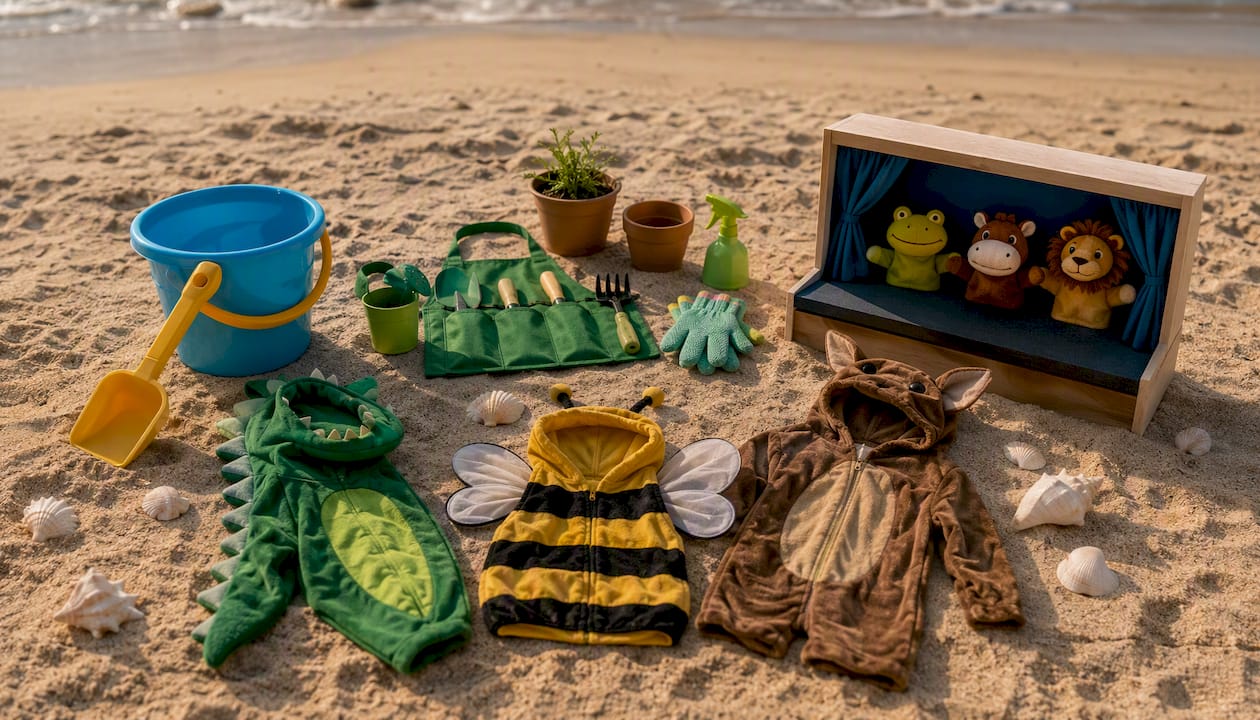
- Puppet theater: a bedsheet stage and sock puppets.
- Cleaning service: a toy broom and spray bottle filled with water.
- Car wash: sponges, a bucket, and ride-on toys.
- Farm life: animal figures and a fenced-in sandbox pen.
- Costume parade: dress-up capes and a red-wagon float.
- Harbor and boats: a kiddie pool and toy boats, or a laundry basket “boat.”
- Photo studio: a toy camera and a “backdrop” sheet clipped to a fence.
Pro Tip: Mixing real adult objects into the toy pile, like an old clipboard, real handbag, or nonworking kitchen utensil, makes the pretend scenario feel more authentic to kids and stretches their focus longer than plastic props alone.
What Should You Look For When Buying Outdoor Pretend-Play Toys?
The materials matter more outdoors than in. A toy that survives a living room floor won’t necessarily survive rain, sun, and a season of mud.
Run through this checklist before adding anything to your cart:
- Non-toxic, water-based finishes with no peeling paint after repeated wetting.
- Rounded edges and corners, especially on play kitchens and playhouses.
- Age labeling that matches your child’s stage, not just a general “kids” tag.
- Weather-resistant materials: sealed or treated wood, UV-stable plastic, or removable fabric parts you can machine wash.
- Surfaces that wipe clean easily after a mud-kitchen session.
Wood versus plastic isn’t a simple “wood wins” debate. Solid wood with a sealed finish, like a treated wooden mud kitchen, tends to outlast plastic in direct sun because it doesn’t get brittle or fade the same way. Plastic wins on portability and lower upfront cost, but check for UV-stabilized material or expect cracking within a season or two.
Price ranges break down roughly like this: entry-level DIY conversions cost next to nothing beyond what’s already in your garage; mid-range packaged sets with canopies, sinks, and multiple accessories run into the moderate range; heirloom-quality wooden pieces built to pass down to younger siblings sit at the top of that range but rarely need replacing.
On safety, small parts are the biggest outdoor-specific risk since they’re easy to lose in grass or mud and easy for toddlers to put in their mouths. Water play always needs an adult within reach, and shade matters more than people expect. A backyard mud kitchen left in full sun all afternoon can get uncomfortably hot to touch. Best Kids Toys reviews every listed item against material and age-safety standards before it makes the curated collection.
DIY Props That Cost Almost Nothing
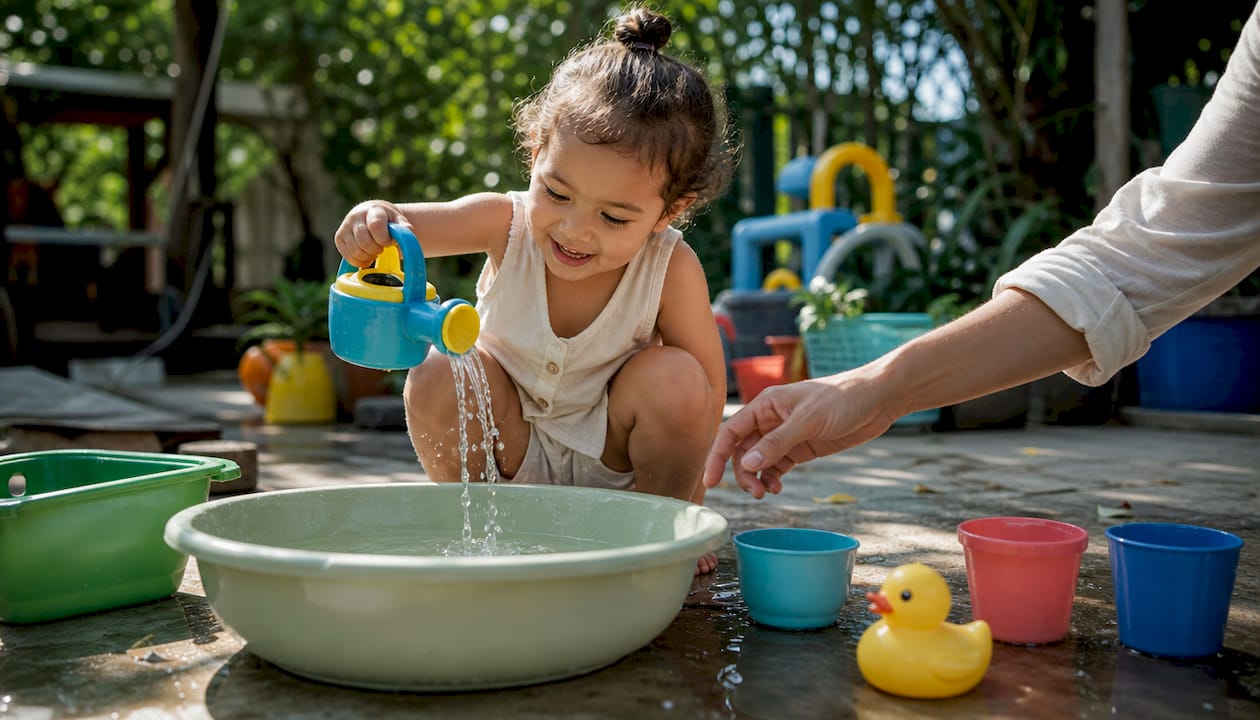
You don’t need a mud kitchen delivered to your door to start playing today. A few household items turn into convincing outdoor role play props in under 30 minutes.
- Pop-up cardboard playhouse: cut a door and two windows into a large appliance box, tape the seams, and let your child paint it. Add a tarp on top for light rain resistance.
- Bucket-and-spoon mud kitchen: line up two buckets on a low table or overturned crate, add a muffin tin, wooden spoons, and a colander for “sifting” ingredients.
- Camp-stove pretend play: stack a few empty tin cans (edges sanded smooth or taped) on a flat rock, add a real oven mitt, and you’ve got a campfire cooking station.
- Garden shop register: a shoebox with a slit cut in the lid, play money or bottle caps, and a notepad for “receipts.”
Material list to raid from around the house: empty tins, muffin tins, wooden spoons, an old colander, appliance boxes, a tarp, bottle caps, and any expired (unused) seed packets.
Skip sharp metal edges, glass, and anything painted with flaking or unknown paint. To weatherproof cardboard builds, a coat of clear packing tape over seams and a tarp cover between uses buys a few extra weeks of life.
How Do You Get Kids Into Pretend Play Outside?
Kids rarely walk outside and spontaneously start a full pirate-ship scenario. They need an invitation, something visual that signals “this is worth exploring.”
- Set out a loose-parts tray. A shallow bin with sticks, stones, bottle caps, and one or two themed props (a toy stethoscope, a play cash register) signals a scenario without dictating one.
- Give a themed invitation. Lay out a picnic blanket with play food and a “closed/open” sign for a pop-up diner, then walk away.
- Demo for 60 seconds, then step back. Model one line of dialogue, like “Welcome to my garden shop, what are you looking for today?” then let your child take over.
- Rotate props weekly. Swapping just two or three items keeps a familiar theme feeling new, since a mud kitchen with fresh “ingredients” plays differently than last week’s setup.
Expect richer, longer play once your child moves past the first ten minutes of exploring materials. Toddlers often need an adult to stay nearby and re-anchor the scenario; preschoolers and up can run 30 to 45 minutes solo once they’re engaged.
Pro Tip: Step back the moment your child starts narrating without prompting. That’s the signal the play has become theirs, not yours.
Cleaning and Storing Outdoor Toys So They Last
A mud kitchen that gets rinsed and covered after each use will outlast one left exposed all summer.
- Rinse wooden pieces with a damp cloth rather than a hose blast, which can force water into seams and joints.
- Machine-wash fabric parts like tent covers or dress-up capes on a gentle cycle, then air dry fully before storing.
- Wipe plastic toys with mild soap and water, checking crevices where mud tends to hide.
- Store wood and fabric items under a waterproof cover or bring them indoors during winter to prevent warping, mold, and rust on any metal fasteners.
- Rotate stored toys back into use every few weeks so nothing sits forgotten and sun-bleached in a corner.
- Before each play session, do a 30-second scan for splinters, loose parts, or standing water in play kitchens.
What Does Outdoor Pretend Play Look Like By Age?
A two-year-old stirring mud in a bucket and a six-year-old running a full farmers market with a friend are both doing outdoor pretend play, just at very different levels of complexity.
Toddlers, roughly ages 1 to 3, tend to focus on single actions repeated over and over, like filling and dumping, stirring, or carrying objects from one spot to another. Attention spans run short, often 5 to 10 minutes per activity, and social interaction is mostly parallel rather than cooperative. Simple, sturdy props work best here, and Montessori-aligned outdoor toys designed for open-ended movement suit this stage well.
Preschoolers, roughly ages 3 to 5, start building actual storylines with defined roles: someone is the shopkeeper, someone is the customer. Sessions can stretch to 20 or 30 minutes, and cooperative play with peers becomes common.
Early elementary kids, ages 5 to 7, often negotiate multi-step plots with rules and can sustain a scenario for 45 minutes or more, especially with a themed prop kit to anchor the story.
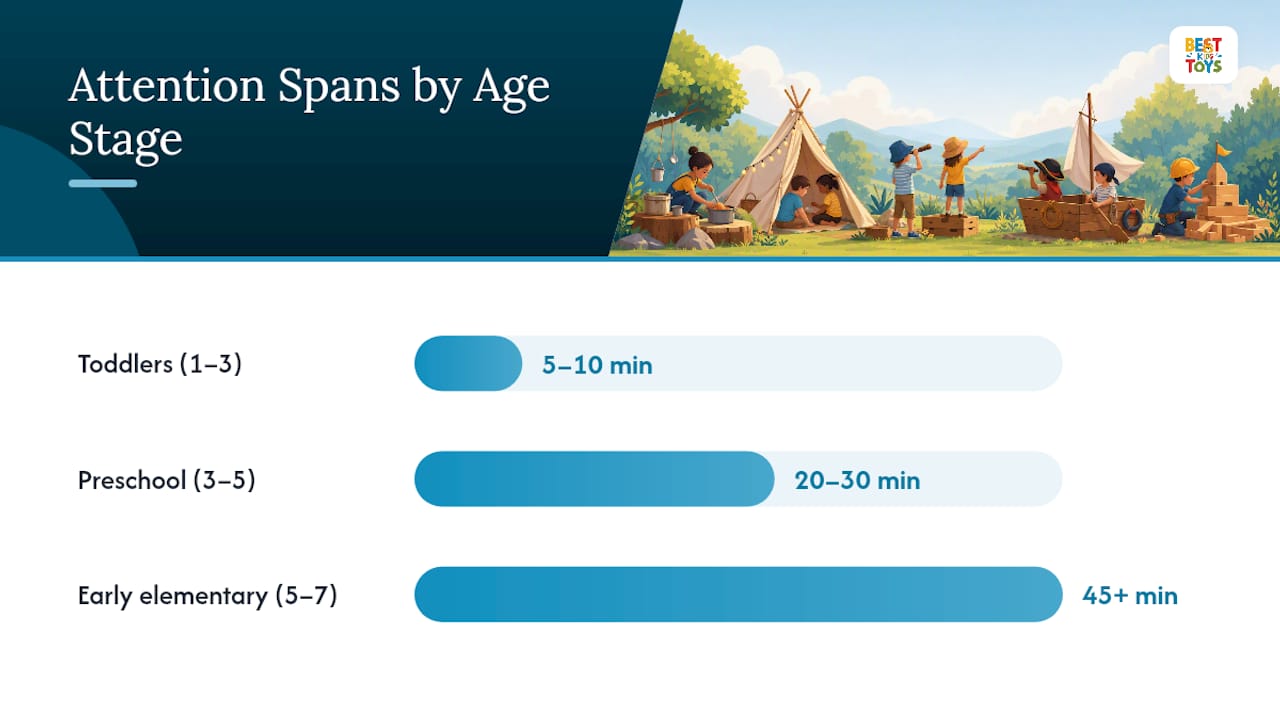
| Age Stage | Attention Span | Social Interaction | Example Props |
|---|---|---|---|
| Toddlers (1–3) | 5–10 minutes | Mostly parallel play | Bucket, spoon, stacking cups |
| Preschool (3–5) | 20–30 minutes | Simple cooperative roles | Play kitchen, dress-up, toy register |
| Early elementary (5–7) | 45+ minutes | Multi-role, rule-based scenarios | Camping set, market stall, puppet theater |
How Best Kids Toys Chooses Its Outdoor Pretend-Play Picks
Every product on the Best Kids Toys site goes through the same short list of standards before it earns a spot in a curated collection.
- Non-toxic finishes and rounded edges checked against current safety expectations.
- Material durability tested for realistic outdoor conditions, not just showroom handling.
- Montessori alignment reviewed for open-ended, screen-free play value.
- Age labeling cross-checked against actual developmental fit, not just marketing copy.
Danica Hodge and the editorial team apply this same framework across categories, from wooden mud kitchens to canvas play tents, so a parent scanning the role-play toy guide can trust the basics have already been checked.
A Quick Note From Our Editor
Outdoor pretend play works best when you stop trying to script it. My favorite backyard afternoons weren’t the ones I planned down to the last prop. They were the ones where a bucket of mud somehow became a five-course restaurant. Let your family’s own rhythm decide how far the story goes.
Curated Outdoor Pretend-Play Picks Worth Setting Up This Weekend
If building your own mud kitchen from a dresser drawer sounds like a weekend you don’t have, Best Kids Toys’ curated outdoor collection gets you the same imaginative payoff without the sanding and painting.
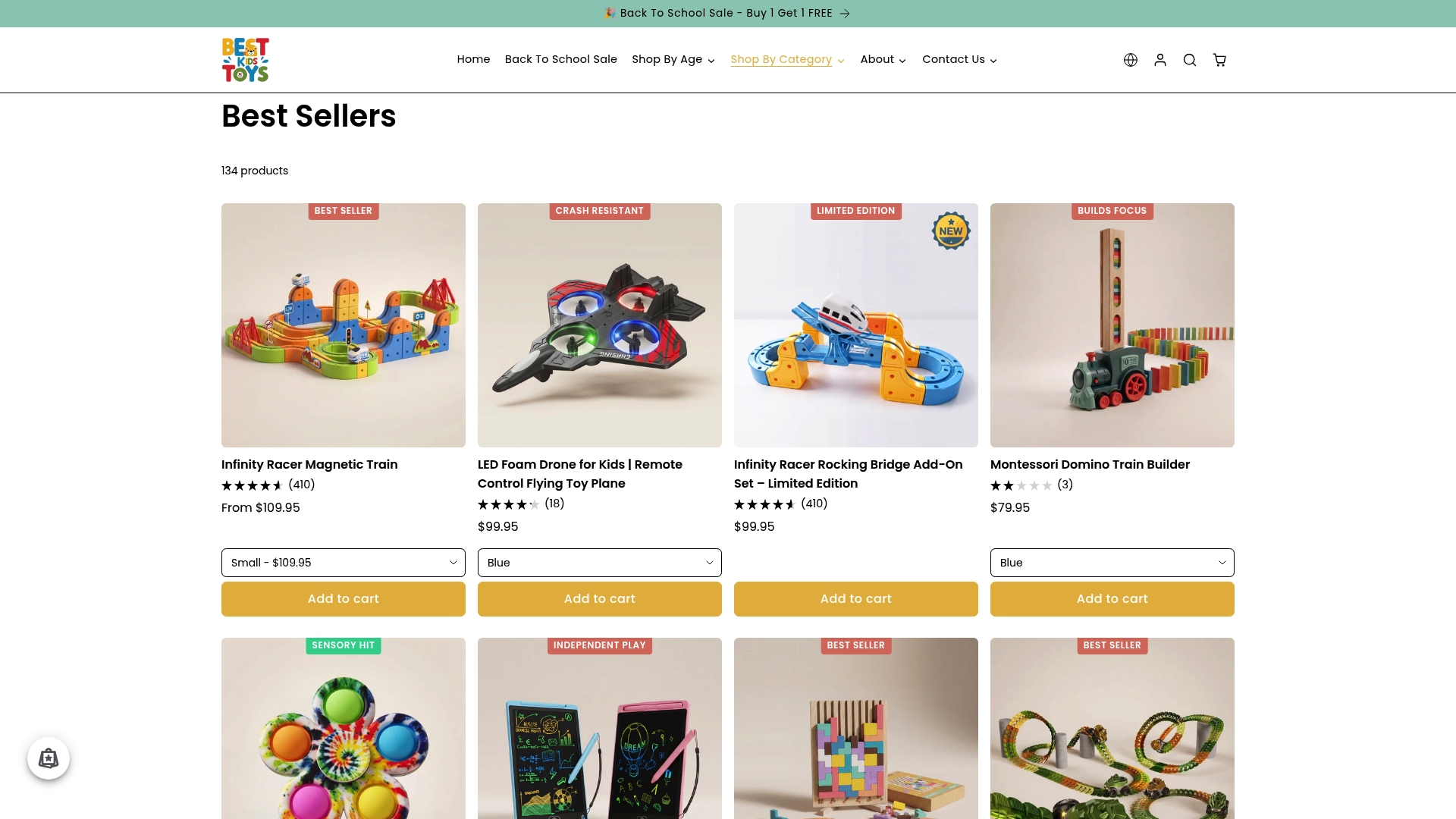
A few picks worth starting with: a wooden mud kitchen with a working faucet feature for kids who love sensory cooking play, an outdoor playhouse with picnic table for families who want a shared social space for multiple kids, and open-ended activity sets like the Little Learners Montessori busy book for quieter moments between outdoor bursts. Each one is vetted for non-toxic finishes and weather-ready materials before it’s listed, so you’re not guessing whether something will survive its first rainstorm.
For families with kids just starting to build pretend scenarios, the 3 to 4 years collection narrows the search to age-appropriate picks instead of scrolling through everything on the site. Browse it now and set up your first themed play scenario before the weekend’s over.
Frequently Asked Questions
What age is best to start outdoor pretend play? Kids typically start simple pretend actions like stirring or carrying around age 1, with full scenario-based outdoor role play emerging closer to age 3.
Do I need expensive toys for outdoor pretend play? No. A cardboard box, a bucket, and a few household items create the same imaginative outdoor games as packaged sets, though vetted products tend to last longer outdoors.
How long should an outdoor pretend-play session last? Toddlers usually engage for 5 to 10 minutes, preschoolers for 20 to 30, and early elementary kids can sustain a scenario for 45 minutes or more.
Is a wooden mud kitchen worth the cost over a plastic one? Sealed wood tends to hold up better in direct sun and repeated wetting than standard plastic, making it a stronger pick for families using it every week through a season.