


8 Montessori Geography Cabinet Activities for Preschoolers on a Budget
A geography cabinet is a child-accessible collection of hands-on geography materials arranged in a Montessori sequence, and you can start with just a few of them today. Begin with puzzle maps, land-and-water play, mapping a room (the “Map Maker” game), and a simple town game. Together they build spatial thinking and follow the order Montessori guides recommend: touch first, names later.
TL;DR:
- Let children handle land and water, then complete puzzle maps without labels; introduce one continent at a time after they can work independently.
- Keep trays on low shelves with a labeled place for every activity, demonstrate cleanup, and limit each tray to one child at a time.
- Rotate materials every week or two, leave control maps beside puzzles for children to check their work, and supervise activities involving water or small pieces.
- Printed maps, layered cardboard, blocks, boxes, toy cars, and felt can replace costly wooden sets; inspect small parts and choose nontoxic finishes.
Table of Contents
- 1. Which geography cabinet activities should you try first?
- 2. How do you set up and care for a geography cabinet?
- 3. What materials and low-cost substitutes work for a geography cabinet?
- 4. Why do geography cabinet activities work?
- 5. What do we recommend for doing this at home?
- 6. Where can you find Montessori-inspired picks to kit your cabinet?
- FAQ
- Sources
1. Which geography cabinet activities should you try first?
Each idea below suits ages 3 to 6. We note the Montessori stage it supports: sensory manipulation, then nomenclature, then control maps, then independent mapping. The Montessori sequence typically moves from the land-and-water globe to the continent globe to puzzle maps, with extensions such as flag matching and town games.
- Land-and-water play (sensory manipulation). Goal: feel the difference between land and water. Materials: a land-and-water globe, or a tray with sand and a pitcher of water. Steps: let your child hold the globe, trace the rough textured land with a finger, and feel the smooth water. Then pour a little water around a sand island on the tray. Name “land” and “water” aloud. Variation: pour water and watch it fill a lake or wrap around an island.
- Puzzle maps (sensory manipulation, then nomenclature). Goal: build visual memory of shapes. Materials: a continent or world puzzle map. Steps: first use it purely as a puzzle, with no names. Once your child can complete it alone, name one continent at a time, then add labels. Variation: trace a piece on paper and color it in.
- Map Maker (independent mapping). Goal: show a familiar space from above. Materials: paper, crayons, a few small objects. Steps: choose a room, sketch the door and window together, add the bed or table, and let your child place a sticker for each landmark. Variation: map the walk from the front door to the mailbox.
- Town game (control maps and mapping). Goal: practice direction and position. Materials: a grid mat or taped squares, small model buildings. Steps: place the buildings, then give commands such as “put the school next to the park.” Swap roles. Variation: add a toy car and drive a route.
- Flag and label matching (nomenclature). Goal: link a flag or label to its place. Materials: flag cards and a puzzle map. Steps: lay out two or three flags, find the matching region, and use a control card to check the answer. Variation: add one new flag each week.
- Sensory mapping (independent mapping). Goal: tie senses to places. Materials: clipboard, paper, pencil. Steps: walk the yard or block together, stop at three spots, note what you see, hear, or smell, and mark each spot on a simple map. Variation: repeat at a different time of day.
- Directional play (nomenclature). Goal: learn north, east, south, and west through movement. Materials: a child-safe compass or four labeled paper signs. Steps: tape signs to the walls, call out a direction, and let your child walk that way. Variation: play “Simon says” with directions.
- Jigsaw maps and timed reassembly (control maps). Goal: sharpen visual discrimination. Materials: a simple map jigsaw. Steps: complete it, mix the pieces, and rebuild with a friendly sand timer. Variation: try to beat last week’s time.
Pro Tip: Keep the control map visible beside every puzzle so your child can check their own work without asking you.
2. How do you set up and care for a geography cabinet?
Think of the cabinet as a small, tidy invitation to explore. Children choose, use, and return each activity on their own, which is where independence grows.
- Use low shelves so little hands can reach everything, with a labeled slot or tray for each puzzle map and activity.
- Demonstrate each routine once: carry the tray to a table, work with it, then return every piece to its exact slot.
- Apply a one-child-at-a-time rule for each tray to keep the work calm.
- Rotate materials every week or two, and keep control maps visible for matching work.
- Choose child-safe piece sizes and stay close for water or small-piece activities.
Practitioners note that returning materials to their slots teaches order and care, so treat cleanup as part of the lesson. Wipe wooden pieces with a dry cloth and check for chips regularly.
3. What materials and low-cost substitutes work for a geography cabinet?
You do not need a full classroom set to begin. Consider these categories:
- Core items: puzzle maps, a land-and-water globe, a continent globe, flag cards, and small model buildings.
- Printed or laminated maps in place of costly wooden puzzles.
- Cardboard contour models cut from layers of cereal box for hills and islands.
- Household items for a model town: blocks, small boxes, toy cars, and felt for roads.
- Storage and labeling supplies: trays, baskets, and control cards.
For anything your child will handle, prefer rounded wood and non-toxic finishes, and check every small part for choking hazards.
4. Why do geography cabinet activities work?

The approach rests on sequence and on hands-on experience. The Montessori Foundation states that early geography lessons aim to nurture a sense of place by favoring concrete sensorial impressions over abstract facts, which is why puzzle maps come before geographic names.
National Geographic describes geography as spatial thinking, the study of relationships between places, and recommends hands-on mapping activities such as drawing a familiar room, playing with blocks, and solving puzzles. NAEYC adds that multimodal activities, combining movement, storytelling, and hands-on creation, help children place spatial words in memorable contexts.
Everyday words like “above” and “next to” are part of the lesson. NAEYC notes that positional language in daily routines supports preschool spatial thinking.
5. What do we recommend for doing this at home?
Start small. Pick one or two activities, build a simple cabinet routine, and let your child lead. Rotation keeps interest high, and child-sized access with safe, durable pieces keeps the work calm and independent. Fancy is optional; a tidy shelf and a patient adult do most of the work.
— Danica Hodge
6. Where can you find Montessori-inspired picks to kit your cabinet?
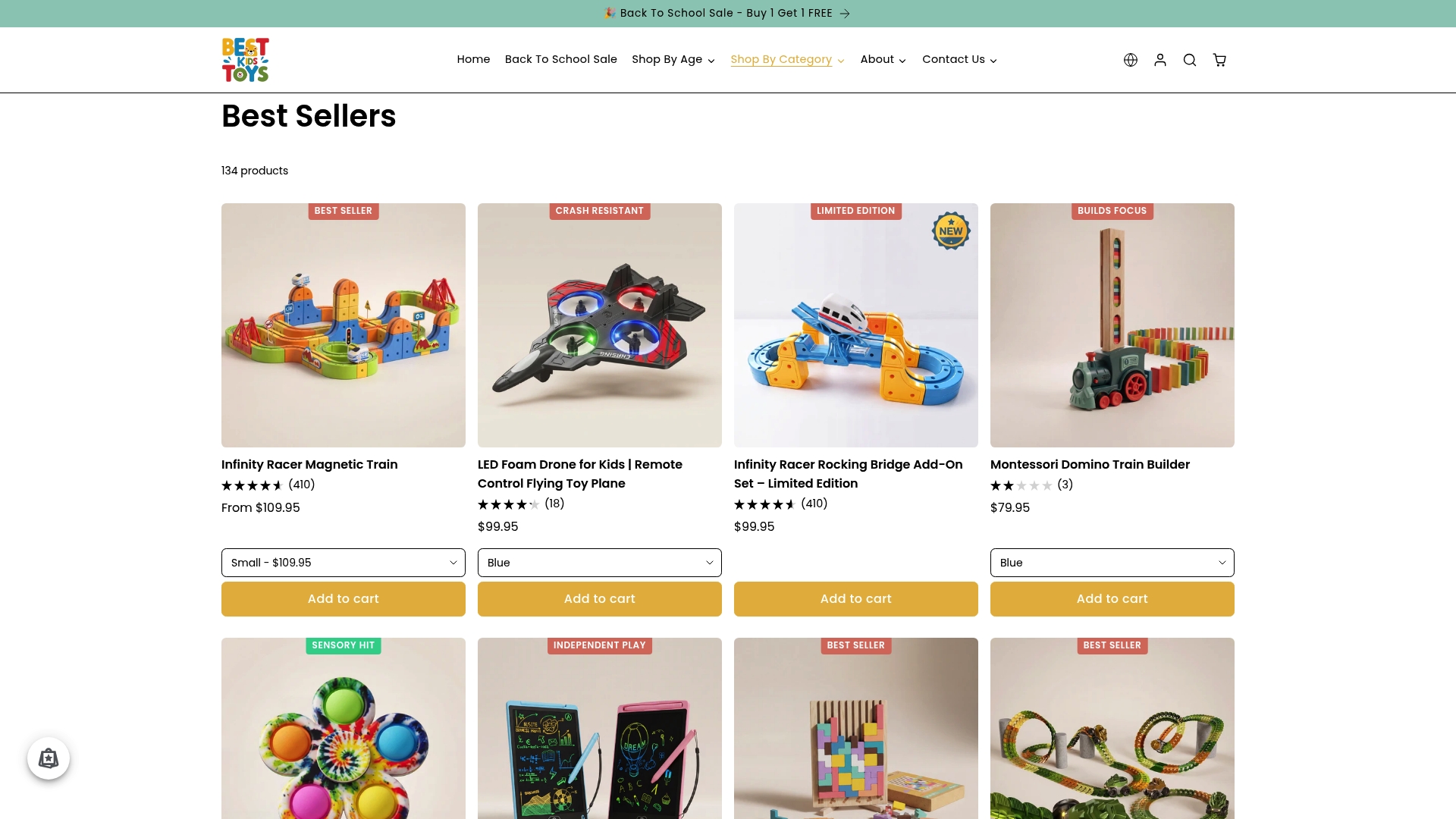
We curate Montessori-inspired toys and review each one for developmental fit and long-term play value, so you can fill your cabinet without hunting. Our store features Montessori-inspired toys and shipping options. A quick shopping checklist by category:
- A puzzle map for sensory work and naming
- A globe toy for land-and-water exploration
- Small model buildings for the town game
- Flag cards for matching practice
Ready to start? Browse our Montessori-inspired toys and kit your first shelf today.
FAQ
What are some fun activities for learning geography?
Puzzle maps, land-and-water play, mapping a room, and a simple town game are all hands-on and easy to start. National Geographic recommends creating maps of familiar spaces and playing with blocks and puzzles to build spatial thinking in ages 4 to 8.
What are some fun games that involve geography?
Try the town game, flag matching, a directional “Simon says,” and timed jigsaw maps. Each one turns place, position, and direction into play rather than rote memorization.
What are some good project ideas for geography students?
For young learners, draw a map of a room or a walk, build a cardboard contour island, or map what you see, hear, and smell on a neighborhood stroll. Letting children draw interpretations of familiar spaces shows how well they understand symbols, keys, and pathways.
How do you introduce a geography cabinet to a preschooler?
Start with one tray, demonstrate it slowly, and let your child repeat it. Add the next material only when the first feels easy, following the order of touch, then names, then maps.