


Baby Toy Subscription: A Parent's Guide for 2026
A baby toy subscription is a recurring delivery service that sends curated, age-appropriate toys to your door, designed to support your toddler’s growth through hands-on, screen-free play. These services take the guesswork out of toy shopping by matching each shipment to your child’s developmental stage. The best ones go beyond entertainment. They treat every box as a learning opportunity, with toys selected by child development experts to build motor skills, spark creativity, and keep little minds engaged. Thebestkidstoys brings that same philosophy to its curated catalog of Montessori-inspired educational toys, making it easy for parents to give their children purposeful play every day.
What types of baby toy subscription boxes are available?
Subscription boxes for infants and toddlers fall into several clear categories, each built around a different learning philosophy. Knowing which type fits your child’s needs makes the choice much easier.
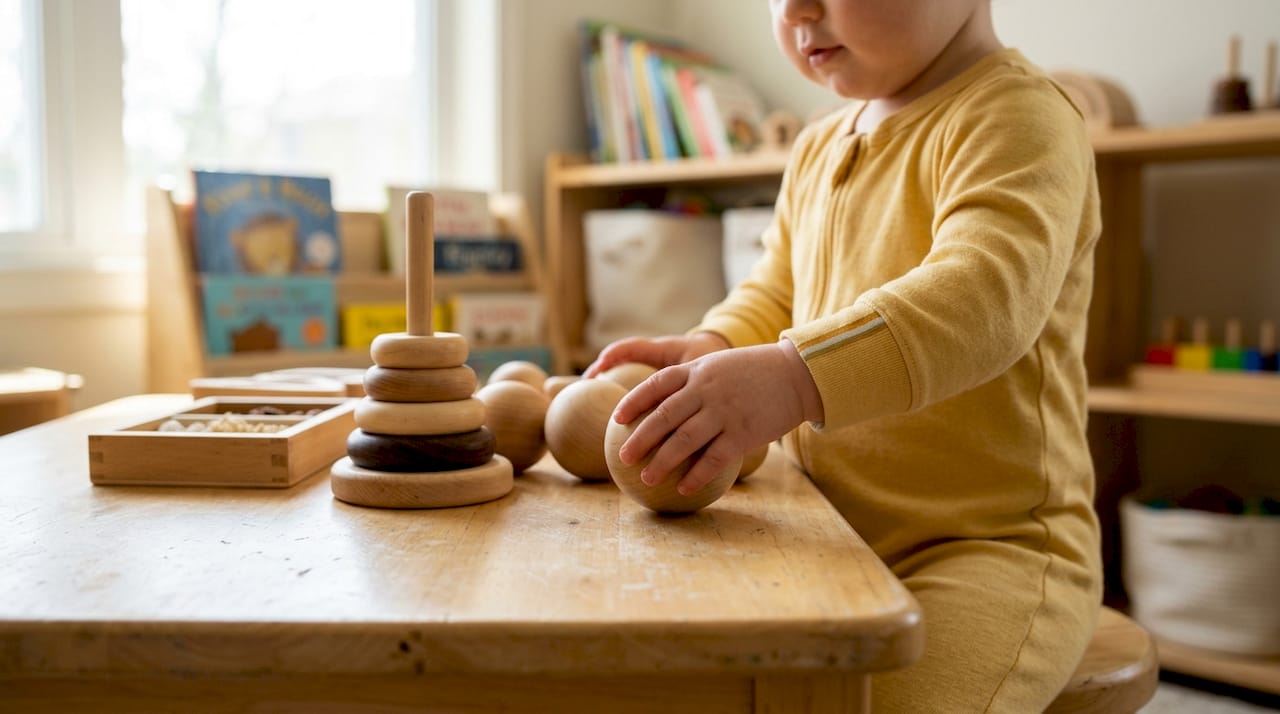
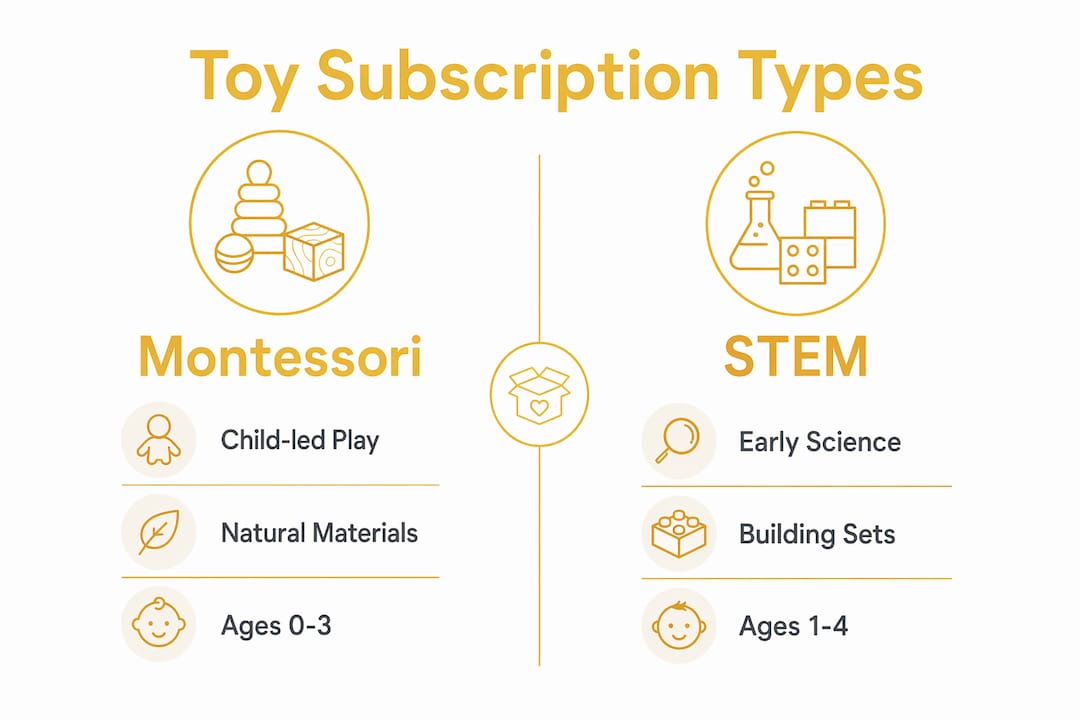
Montessori-aligned subscriptions focus on open-ended, child-led play. Toys in these boxes tend to be made from natural wood or fabric, designed to let your child explore at their own pace. A Montessori toys subscription typically avoids plastic and battery-powered toys in favor of materials that engage the senses and build independence.
STEM-focused subscriptions introduce early science and problem-solving concepts. These boxes often include building sets, simple puzzles, and cause-and-effect toys that get your toddler’s brain gears churning.
Sensory play subscriptions prioritize tactile and multi-sensory experiences. Boxes may include textured balls, soft stacking rings, water play tools, and materials that stimulate touch, sight, and sound simultaneously.
Theme-based subscriptions rotate around seasonal or creative topics, like animals, nature, or colors. These keep things fresh and give parents a natural conversation starter during playtime.
Here is a quick look at how these types compare across key features:
| Subscription type | Primary focus | Typical materials | Best age range |
|---|---|---|---|
| Montessori-aligned | Independent, open-ended play | Wood, fabric, natural materials | 0–36 months |
| STEM-focused | Problem-solving, early logic | Plastic, foam, building pieces | 18–48 months |
| Sensory play | Tactile and multi-sensory stimulation | Fabric, rubber, textured items | 0–24 months |
| Theme-based | Creativity and storytelling | Mixed materials | 12–48 months |
Shipment frequency varies across services. Some ship monthly for steady engagement, while others ship quarterly to align with developmental milestones. Quarterly boxes tend to be larger and require more storage planning. Monthly boxes are smaller and easier to manage, but they need a consistent budget allocation.
Pro Tip: If your toddler loses interest in toys quickly, a monthly subscription keeps novelty high. If your child plays deeply with each toy for weeks, a quarterly box may offer better value.
How do baby toy subscriptions support toddler development?
The core benefit of a playtime subscription service is that it puts the right toy in your child’s hands at exactly the right developmental moment. Sensory-rich, open-ended materials promote creativity and motor skills better than project-based toys that lose appeal quickly. That distinction matters because toddlers learn through repetition and exploration, not one-time activities.
Subscriptions curated by child development experts target specific milestones. A box for a 12-month-old might include stacking cups and soft shape sorters to build hand-eye coordination. A box for a 24-month-old might add simple puzzles and threading beads to develop fine motor control and early problem-solving. This milestone alignment means your child is always playing with something that challenges them just enough without causing frustration.
One of the most underrated features of a well-designed monthly baby toys service is the parent guide. Parent guides included in boxes provide developmental rationale and play ideas, giving caregivers the confidence to engage meaningfully without needing a background in early childhood education. That turns a simple toy into a shared learning experience.
Subscriptions that include parent guides transform playtime from entertainment into genuine learning. When you understand why a toy matters, you play with your child differently. You ask better questions, give more space, and notice more growth.
Screen time reduction is another real benefit. When a new box arrives, toddlers naturally gravitate toward the physical toys inside. The novelty of a fresh set of educational toys for toddlers competes directly with screens, and most of the time, the toys win.
Pro Tip: Set a dedicated “unboxing time” with your toddler each month. Making it a ritual builds anticipation and gives you a natural window for screen-free play together.
Key developmental benefits parents report from subscription boxes include:
- Improved fine motor skills from puzzles, stacking, and threading toys
- Stronger hand-eye coordination through cause-and-effect play
- Expanded vocabulary from books and activity guides included in boxes
- Greater independence as children learn to direct their own play
- Reduced screen time through consistent access to engaging physical toys
What does a baby toy subscription cost in 2026?
Pricing for a toddler toy subscription covers a wide range, and understanding what drives cost helps you find the best fit for your budget. Monthly boxes typically cost between $25 and $50, while premium Montessori-aligned services can reach around $98 per shipment. Most families find a solid middle ground near $49.99 per month.
Here is a breakdown of what you can expect at each price tier:
| Price tier | Approximate cost | What you typically get |
|---|---|---|
| Budget | $25–$35/month | 3–4 toys, basic packaging |
| Mid-range | $40–$55/month | 4–6 toys, parent guide, themed packaging |
| Premium | $75–$98/shipment | 6–8 toys, expert curation, developmental guides, eco-friendly materials |
Popular subscriptions include 3 to 8 high-quality items, often paired with books or activity guides. The number of items matters less than the quality and developmental fit of each one.
Beyond the box price, watch for these additional cost factors:
- Shipping fees: Some services offer free shipping; others charge $5–$10 per delivery.
- Subscription duration: Annual plans often cost less per box than month-to-month pricing.
- Cancellation policies: Look for services with flexible cancellation, especially if you are trying a new box for the first time.
- Toy quantity vs. quality: A box with six low-quality toys offers less value than one with four expertly curated pieces.
Storage is a practical consideration that parents often overlook. Larger quarterly shipments mean more toys arriving at once, which requires dedicated storage space. Monthly boxes spread the flow of new toys across the year, making it easier to rotate and manage what your child plays with.
How to choose the right baby toy subscription for your toddler
Choosing the right subscription comes down to five clear criteria. Work through each one and the right choice becomes obvious.
-
Match the box to your child’s developmental stage. A newborn toy delivery designed for 0–6 months will bore a 2-year-old. Always check the age range listed by the service and confirm it aligns with your child’s current abilities, not just their birthday. Age-appropriate toy guidance makes this step much easier.
-
Evaluate the educational philosophy. If you value child-led, independent play, a Montessori-aligned box is the right fit. If you want early STEM exposure, look for boxes that include building and logic toys. The philosophy should match your parenting values and your child’s natural play style.
-
Check toy materials for safety and sustainability. Look for boxes that use non-toxic, BPA-free materials. Wood and fabric toys tend to be more durable and safer than cheap plastic alternatives. Eco-friendly packaging is a bonus that reflects a brand’s overall commitment to quality.
-
Prioritize subscription flexibility. Life with a toddler changes fast. Choose a service that lets you pause, skip, or cancel without penalties. A rigid annual commitment can become a burden if your child’s interests shift or your budget changes.
-
Read reviews and look for included educational guidance. Parent reviews reveal how well toys hold a toddler’s attention in real life. Subscriptions that fit into daily routines and offer toys suited for short attention spans deliver the most consistent value. A box that includes a parent guide is almost always worth the extra cost.
Pro Tip: Before committing to a subscription, order a single box if the service offers one. One delivery tells you more about quality, curation, and your child’s reaction than any review can.
Key Takeaways
A baby toy subscription delivers the most value when it aligns with your child’s developmental stage, includes expert-curated materials, and comes with parent guides that turn playtime into genuine learning.
| Point | Details |
|---|---|
| Match age to box | Always verify the subscription’s age range matches your toddler’s current developmental stage. |
| Philosophy matters | Choose Montessori, STEM, or sensory-focused boxes based on your child’s play style and your values. |
| Parent guides add real value | Boxes with developmental guides help caregivers engage more meaningfully during play. |
| Budget for the full cost | Factor in shipping fees, cancellation terms, and storage needs alongside the box price. |
| Flexibility protects your budget | Opt for services with pause or cancel options so you can adapt as your child grows. |
What I’ve learned after years of watching parents choose toy subscriptions
Most parents pick a subscription based on price or aesthetics. The box looks beautiful, the price feels reasonable, and they sign up. Six months later, half the toys sit untouched in a corner. The problem is almost never the toys. It’s the mismatch between the box’s philosophy and how that particular child actually plays.
I’ve seen this pattern repeat itself. A parent who values quiet, focused play signs up for a theme-based box full of bright, noisy pieces. A parent whose toddler loves building gets a sensory-focused box with soft textures and no structure. Both parents feel disappointed, but the subscription itself was fine. The fit was wrong.
The parent guide is the most underused feature in any subscription box. Most parents glance at it and set it aside. The ones who read it and use it report a completely different experience. They know what skill each toy targets. They know how to introduce it, when to step back, and what to watch for. That knowledge changes how they play with their child, and it changes what the child gets out of the toy.
My honest advice: treat the first box as a test, not a commitment. Observe your child. Notice which toys they return to and which ones they ignore after five minutes. That data is more useful than any review or recommendation. Then adjust your subscription choice accordingly. The best subscription is the one your child actually plays with.
— Hugh
Thebestkidstoys has curated toys your toddler will love
If you are ready to bring more purposeful play into your home, Thebestkidstoys offers a hand-picked selection of Montessori-inspired and sensory-rich toys built for real developmental impact. Every product is reviewed for safety, durability, and long-term play value.
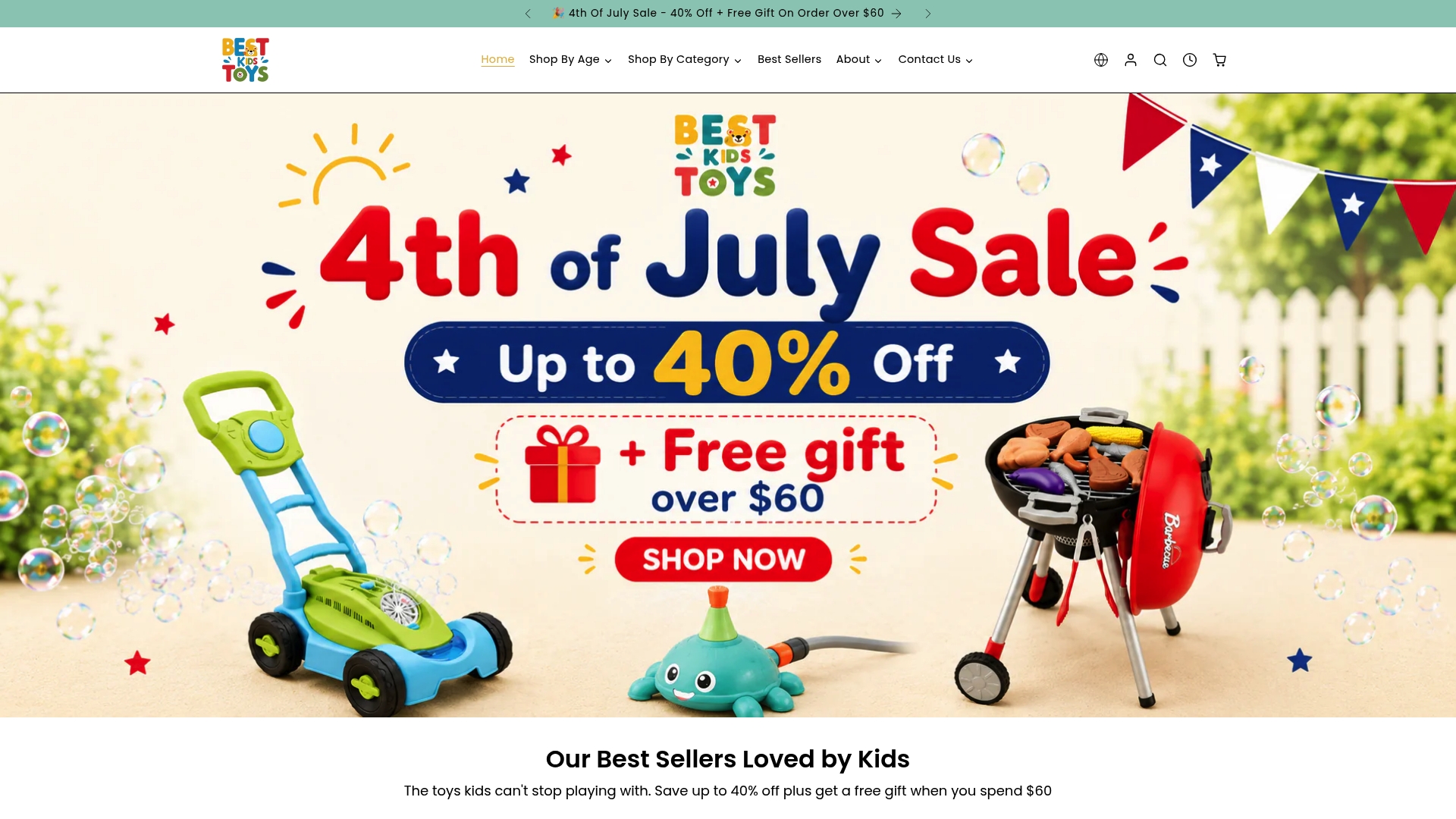
Parents of toddlers can shop by age group, starting with the educational toys for ages 3–4 collection, which includes puzzles, fine motor tools, and open-ended play materials. The Little Learners Montessori Busy Book is one of the most popular picks for parents who want a single toy that covers multiple developmental skills. Thebestkidstoys also offers free shipping on orders over $60 and a current 40% off sale, making it easy to stock up on quality toys without stretching your budget.
FAQ
What is a baby toy subscription?
A baby toy subscription is a recurring delivery service that sends curated, age-appropriate toys to your home on a monthly or quarterly basis. Boxes are typically designed around developmental milestones and may include parent guides to support learning.
How many toys come in a typical subscription box?
Most subscription boxes include between 3 and 8 toys per delivery, often paired with books or activity guides. Premium boxes tend to include more items and higher-quality materials.
What is the average cost of a toddler toy subscription?
Monthly boxes typically cost between $25 and $50, while premium Montessori-aligned services can reach around $98 per shipment. Annual plans usually offer a lower per-box cost than month-to-month pricing.
Are Montessori toy subscriptions worth it?
Montessori toy subscriptions are worth it for parents who prioritize open-ended, child-led play with natural materials. These boxes support independence, creativity, and fine motor development without relying on screens or battery-powered toys.
How do I know which subscription is right for my child’s age?
Check the age range listed by each service and match it to your child’s current developmental stage, not just their birthday. Resources like age-specific toy guides can help you identify which skills and materials are most appropriate for your toddler right now.